Welcome to Baa Atoll, a jewel in the Maldivian archipelago and a designated UNESCO Biosphere Reserve. This stunning atoll, coded 'B' and officially known as Baa Atoll, is celebrated worldwide for its unparalleled natural beauty, vibrant marine life, and commitment to sustainable tourism. Nestled in the central western part of the Maldives, Baa Atoll offers an idyllic escape for those seeking both luxurious indulgence and profound ecological immersion.
Travelers flock to Baa Atoll primarily for its extraordinary marine encounters, particularly the legendary mass gatherings of manta rays. The atoll is a global hotspot for marine biology enthusiasts and eco-tourists, offering a pristine environment that supports an incredible diversity of life. With its commitment to preserving its natural wonders, Baa Atoll ensures that every visit contributes to the longevity of this delicate ecosystem.
Key Facts at a Glance
- Location: Central Western Maldives
- Designation: UNESCO Biosphere Reserve (since 2011)
- Resort Count: 15+ luxury eco-resorts
- Transfer Type: Seaplane from Malé
- Transfer Time: Approximately 30 minutes
- Key Features: UNESCO Biosphere Reserve, Manta ray feeding, Pristine environment
- Best For: Manta ray encounters, Eco-tourism, Marine biology enthusiasts
- Unique Feature: Hanifaru Bay hosts the largest known manta ray feeding aggregation in the world (June-November)
Getting to Baa Atoll
Your journey to the enchanting Baa Atoll typically begins with an international flight to Velana International Airport (MLE) in Malé. From there, the most popular and scenic transfer option is by seaplane. Baa Atoll is approximately 30 minutes away by seaplane, offering breathtaking aerial views of the scattered islands and vibrant coral reefs below.
Seaplanes operate during daylight hours, typically from 6:00 AM to 4:00 PM. It's crucial to coordinate your international flight arrival and departure times with your resort, as they usually arrange the seaplane transfers. Most resorts in Baa Atoll charter seaplanes directly, and the cost is often added to your booking.
Pro Tip
While resort-arranged seaplane transfers are convenient, they can be costly. Expect roundtrip seaplane transfer fees to vary, generally ranging from $290 to $700 per person, with some luxury resorts charging up to $900 per person. Booking well in advance through your resort is recommended to ensure seamless travel and potentially avoid higher last-minute prices.
Luggage restrictions for seaplanes are usually 20kg for checked baggage and 5kg for hand luggage per person. Excess baggage may incur additional charges, typically starting from $5 per kilo.
Where to Stay in Baa Atoll
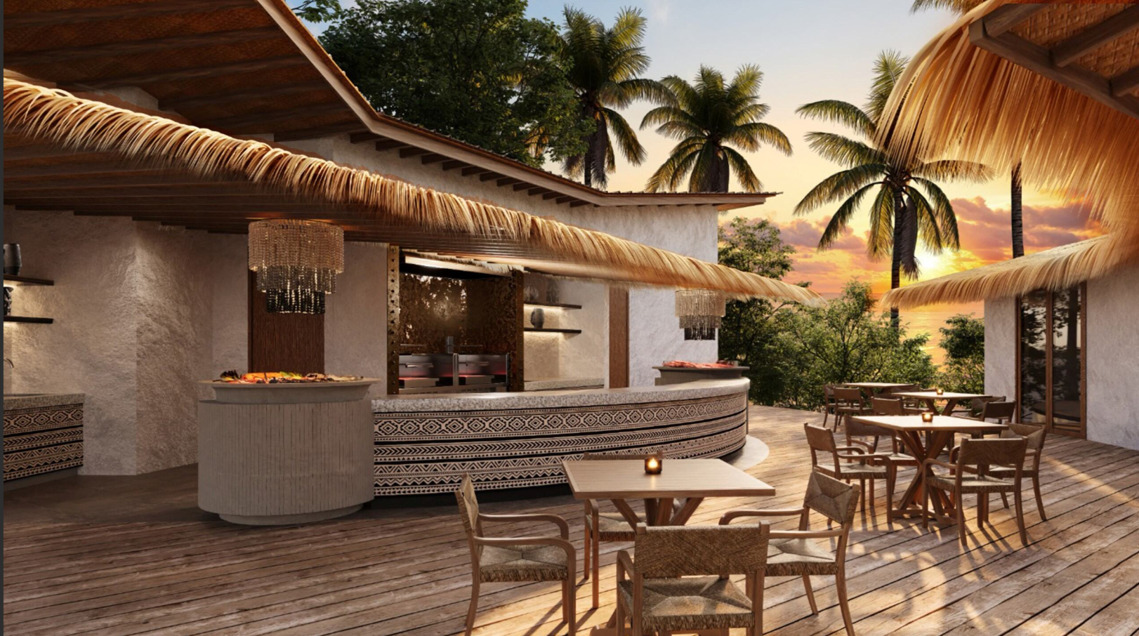
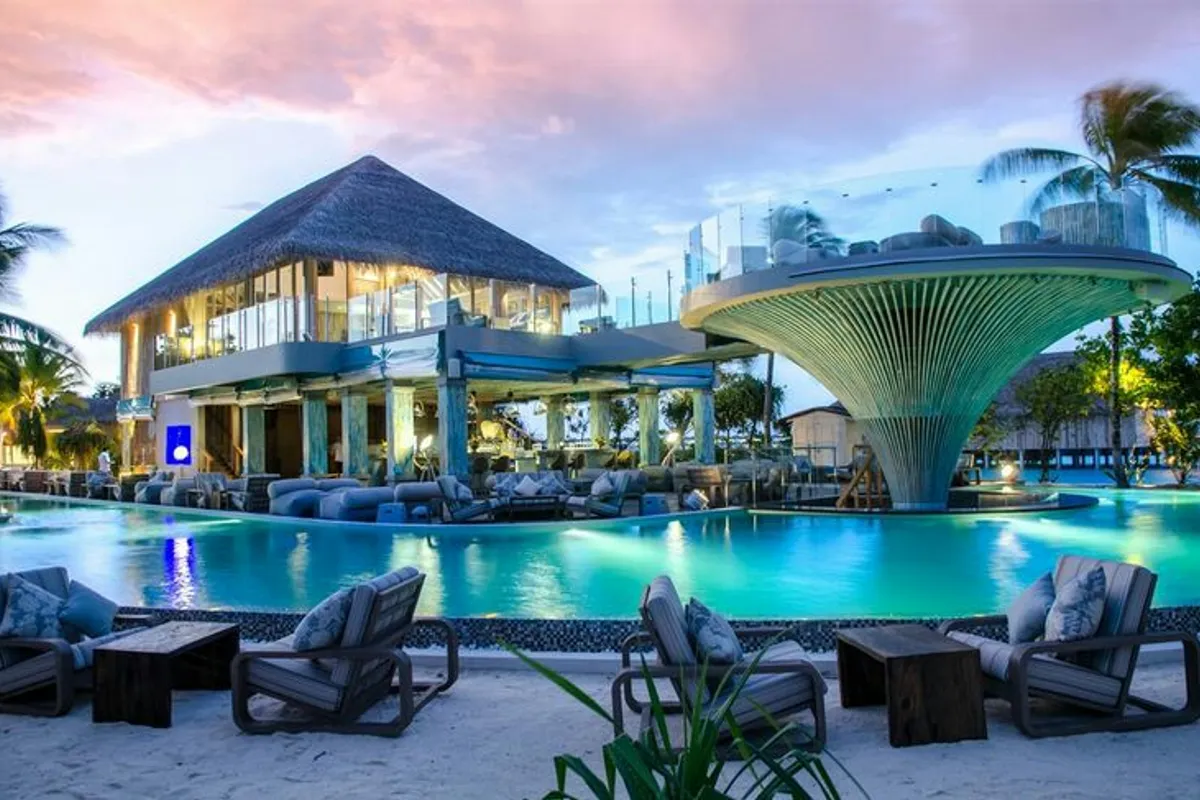
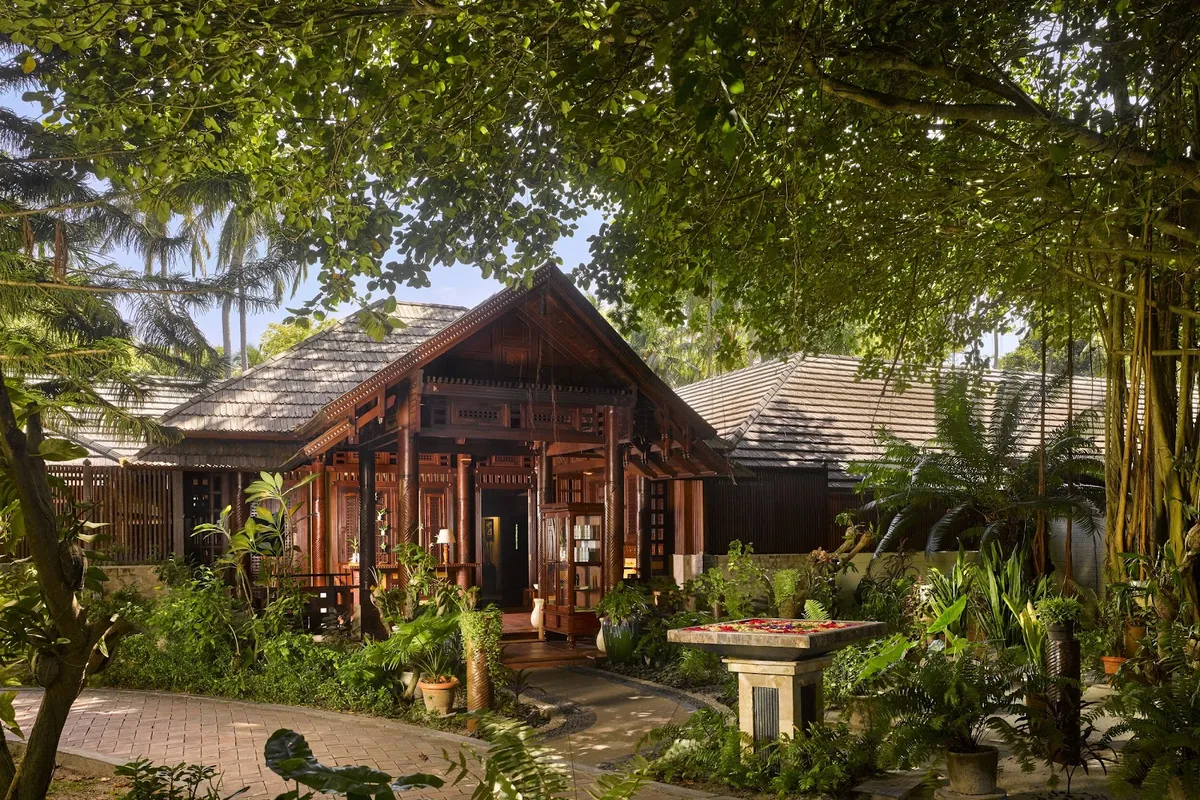
Baa Atoll offers a diverse range of accommodations, from ultra-luxurious resorts to charming local island guesthouses, catering to every budget and travel style. With 15+ luxury eco-resorts, the atoll is a hub for high-end, environmentally conscious stays.
Luxury Resorts
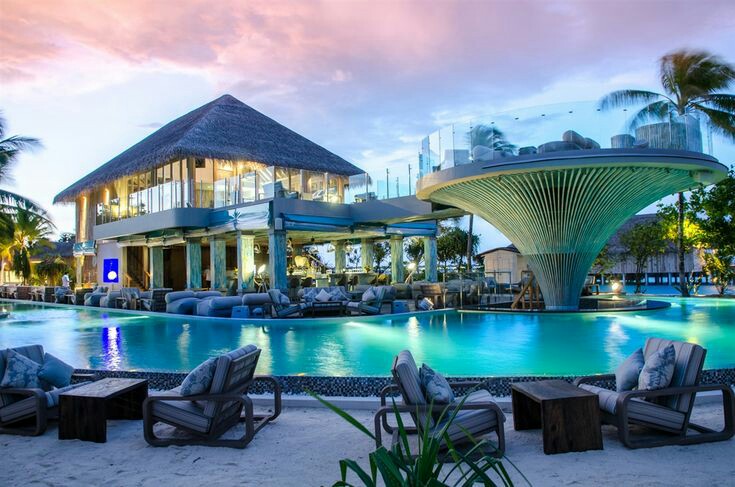
For those seeking unparalleled luxury and exquisite service, Baa Atoll is home to some of the Maldives' most celebrated resorts, each offering a unique blend of opulence and natural beauty.
- Soneva Fushi: A pioneer in eco-luxury, Soneva Fushi is renowned for its spacious, Robinson Crusoe-style villas, many with private pools and direct beach access. It champions a "no news, no shoes" philosophy, encouraging guests to disconnect and reconnect with nature. Highlights include an open-air cinema, an observatory, and exceptional dining experiences focused on fresh, organic ingredients. Soneva Fushi also boasts a strong sustainability focus, pioneering initiatives like waste-to-wealth programs. Check Prices for Soneva Fushi→
- Four Seasons Landaa Giraavaru: This resort combines sophisticated luxury with a deep commitment to marine conservation. It features a world-class marine research center, offering guests unique opportunities to participate in coral propagation and manta ray research. The resort's Ayurvedic Retreat and expansive overwater and beach villas provide a sanctuary of wellness and tranquility. Check Prices for Four Seasons Landaa Giraavaru→
- Amilla Fushi: Known for its contemporary design and vibrant house reef, Amilla Fushi offers spacious, modern villas ("homes") that are some of the largest in the Maldives. The resort prides itself on its innovative culinary concepts, including a "wellness your way" approach with numerous dietary options. Its proximity to Hanifaru Bay makes it an excellent choice for manta ray enthusiasts. Check Prices for Amilla Fushi→
- Milaidhoo: An intimate, boutique luxury resort, Milaidhoo is celebrated for its Maldivian-inspired design, exceptional personalized service, and a focus on authentic local experiences. It offers stunning overwater and beach villas, often with private pools, and a vibrant house reef perfect for snorkeling. The resort emphasizes a barefoot luxury experience, ideal for couples and honeymooners. Check Prices for Milaidhoo→
Mid-Range Options
While Baa Atoll is predominantly known for its luxury offerings, some resorts provide excellent value, often catering to families or couples seeking a balance between comfort and cost. These resorts typically offer a range of amenities, including kids' clubs, multiple dining options, and various water sports activities, without the ultra-premium price tag of the top luxury brands.
- Value Resorts: Look for resorts that offer attractive all-inclusive packages or special promotions during shoulder seasons. These properties often provide comfortable accommodations, good dining, and a selection of excursions, making them ideal for a memorable Maldivian holiday without breaking the bank. Examples might include properties like Reethi Beach Resort or Kihaa Maldives, which are known for their beautiful settings and good value.
- Best for Families/Couples: Many mid-range resorts focus on creating engaging experiences for families, with dedicated children's facilities and family-friendly activities. For couples, these resorts often provide romantic dining experiences, spa services, and quiet zones to ensure a relaxing escape.
Local Island Guesthouses
For budget-conscious travelers or those seeking a more authentic cultural immersion, staying on one of Baa Atoll's local islands is an increasingly popular choice. These guesthouses offer a unique opportunity to experience Maldivian life firsthand, away from the resort bubble.
- Budget Options: Local islands like Dharavandhoo, Eydhafushi, Thulhaadhoo, and Kamadhoo offer a selection of guesthouses. These accommodations are significantly more affordable than resorts, with prices for guesthouses often being discounted up to 60% compared to resort stays. You can expect clean, comfortable rooms, often with air conditioning and private bathrooms. Many guesthouses also offer on-site dining with authentic Maldivian cuisine.
- What to Expect: Staying on a local island means living among Maldivian communities, observing their daily life, and experiencing their traditions. Guesthouses frequently arrange excursions such as snorkeling trips, fishing, and island hopping, often at a lower cost than resort counterparts. Remember that local islands adhere to Islamic customs, so modest dress is expected in public areas (outside of designated "bikini beaches" if available). Alcohol is generally not available on local islands.
Pro Tip
When booking a local island guesthouse, check reviews for hygiene, comfort, food quality, and the host's ability to arrange tours. Many guesthouses are highly praised for their warm service and safe experiences.
Diving and Snorkeling in Baa Atoll
Baa Atoll is a diver's and snorkeler's paradise, a world-renowned UNESCO Biosphere Reserve teeming with vibrant marine life and breathtaking coral reefs.
The atoll boasts around 250 coral species and 1,200 fish species, making every underwater excursion an unforgettable experience.
Famous Dive Sites
- Hanifaru Bay: The undisputed crown jewel of Baa Atoll, Hanifaru Bay is a marine protected area famous for hosting the largest known manta ray feeding aggregation in the world. From June to November, during the southwest monsoon, plankton gets trapped in the bay, attracting hundreds of manta rays and sometimes even whale sharks for a spectacular "cyclone feeding" frenzy. Snorkeling with these gentle giants is a truly awe-inspiring experience.
- Dharavandhoo Thila: A vibrant reef known for its stunning coral formations, Dharavandhoo Thila is home to reef sharks, eagle rays, and a diverse array of tropical fish species. It's an excellent site for intermediate divers seeking rich biodiversity.
- Maaddoo: This dive site offers another incredible opportunity to explore Baa Atoll's pristine underwater world, with healthy corals and a variety of reef fish.
- Dhonfanu Thila: Known for its diverse marine life and interesting topography, Dhonfanu Thila provides captivating dives for various skill levels.
Marine Life Highlights
Expect to encounter an incredible array of creatures in Baa Atoll's crystal-clear waters:
- Manta Rays: Witness up to 200+ manta rays, especially during the peak feeding season at Hanifaru Bay.
- Whale Sharks: While less frequent than mantas, whale sharks are also spotted in Hanifaru Bay during the feeding season.
- Nurse Sharks: Often seen resting on the sandy bottom or cruising along the reefs.
- Hawksbill Turtles: Graceful and elegant, these endangered turtles are a common sight on many reefs.
- Other Marine Life: Look out for reef sharks, eagle rays, barracuda, schools of jacks and snappers, and a myriad of colorful reef fish.
Best Season for Diving
Diving in Baa Atoll is excellent year-round, but the best time depends on your priorities:
- June to November (Wet Season/Southwest Monsoon): This is the prime season for manta ray and whale shark encounters at Hanifaru Bay, with peak activity from late July to early October. While visibility might be slightly reduced due to plankton blooms, the sheer number of large pelagics makes it an incredible time for these specific sightings.
- December to May (Dry Season/Northeast Monsoon): This period offers calmer seas, less humidity, and excellent underwater visibility, often exceeding 30 meters. It's ideal for exploring coral reefs and enjoying clear conditions, particularly on the eastern sides of the atolls.
Pro Tip
Water temperatures in Baa Atoll remain consistently warm, typically between 27-30°C (81-86°F) year-round, making for comfortable diving conditions.
Certification Requirements
To scuba dive in Baa Atoll, you will generally need a recognized diving certification, such as PADI (Professional Association of Diving Instructors) or SSI (Scuba Schools International).
- Open Water Diver: This entry-level certification allows you to dive to a maximum depth of 18 meters (60 feet) with a buddy. The course typically takes 3-5 days to complete and includes theory, confined water training, and open water dives.
- Advanced Open Water Diver: For those wishing to explore deeper or more challenging sites, the Advanced Open Water Diver course allows diving up to 30 meters (100 feet). Local regulations in the Maldives often cap recreational diving at 30 meters, even if your certification allows deeper.
- Discover Scuba Diving: If you're not certified but want to try diving, many resorts and dive centers offer "Discover Scuba Diving" experiences, allowing you to dive under direct instructor supervision in shallow waters.
Top Things to Do
Beyond its world-class diving and snorkeling, Baa Atoll offers a wealth of activities to enrich your Maldivian getaway, blending adventure, relaxation, and cultural exploration.
Key Activities
- Manta Ray Snorkeling at Hanifaru Bay: This is a must-do experience. Swim alongside hundreds of majestic manta rays as they feed in the plankton-rich waters of Hanifaru Bay during the season (June-November). Many resorts offer guided excursions with marine biologists.
- Dolphin Watching Cruises: Embark on a sunset cruise to spot playful spinner dolphins leaping through the waves. These excursions often coincide with breathtaking Maldivian sunsets.
- Water Sports: The calm, warm waters of Baa Atoll are perfect for a variety of water sports. Enjoy windsurfing, paddleboarding, kayaking, jet-skiing, and more. Resorts and guesthouses typically offer equipment rental and lessons.
- Island Hopping: Explore the charm of local inhabited islands or discover uninhabited sandbanks for a truly secluded experience.
- Sunset Fishing: Experience traditional Maldivian pole-and-line fishing as the sun dips below the horizon, often followed by a BBQ dinner with your fresh catch.
- House Reef Snorkeling: Many resorts and local islands boast vibrant house reefs just steps from your accommodation, offering easy access to colorful corals and diverse fish species.
Unique Experiences
- Stargazing at an Observatory: Resorts like Soneva Fushi offer unique opportunities to explore the cosmos from their on-site observatories, a magical experience under the clear Maldivian night sky.
- Sandbank Picnics: Enjoy a private, romantic picnic on a secluded sandbank, surrounded by turquoise waters – the epitome of Maldivian paradise.
- Spa and Wellness Treatments: Indulge in rejuvenating spa therapies, often incorporating traditional Maldivian techniques and natural ingredients, available at most resorts and some guesthouses.
- Coral Adoption Programs: Participate in marine conservation efforts by joining a coral adoption program, a unique way to contribute to the preservation of the reef and leave a lasting legacy.
Excursions and Day Trips
Your accommodation will likely offer a range of excursions to enhance your stay. Common options include:
- Private Snorkeling Safaris: Tailor-made trips to multiple snorkeling spots, chosen based on conditions and your preferences.
- Turtle Snorkeling: Visit specific sites known for turtle sightings, offering a chance to swim alongside these magnificent creatures.
- Robinson Trips: Castaway experiences to uninhabited islands, often including snorkeling and exploration.
- Local Island Tours: Guided visits to nearby inhabited islands to experience local culture and craftsmanship.
Pro Tip
Excursion prices vary, but as an example, a sunset dhoni cruise or sunset fishing trip might cost around $25 per person, while adventure snorkeling or island trips could be around $30 per person, often with minimum participant requirements.
Plan Your Baa Atoll Activities→
Local Islands and Culture
Venturing beyond the resorts to Baa Atoll's inhabited local islands provides a rich and authentic glimpse into Maldivian life and culture.
Island Visits
- Dharavandhoo: Once the capital island of Baa Atoll, Dharavandhoo is a vibrant community with local shops and cafes. It's often a gateway for those visiting Hanifaru Bay due to its proximity and domestic airport. Explore local life, enjoy Maldivian snacks, and perhaps pick up some souvenirs.
- Eydhafushi: The current capital of Baa Atoll, Eydhafushi is a larger island offering a more bustling local experience. It's a great place to observe daily life, visit local markets, and interact with residents.
- Thulhaadhoo: Famous throughout the Maldives for its traditional lacquer work, known as 'liyelaa jehun'. A visit here offers a unique opportunity to witness this ancient craft and perhaps purchase beautifully handcrafted items.
- Kamadhoo: A typical fisherman's island, Kamadhoo provides a serene insight into the traditional Maldivian lifestyle. With around 400 inhabitants, it's a peaceful community where you can observe local customs.
Cultural Experiences
Immerse yourself in the rich cultural heritage of the Maldives:
- Traditional Music and Dance: Attend a 'Boduberu' drumming session, a lively and energetic traditional Maldivian performance.
- Local Cuisine: Sample authentic Maldivian dishes, characterized by fresh seafood, coconut, and a blend of spices. Many guesthouses offer cooking classes.
- Handicrafts: Beyond Thulhaadhoo's lacquer work, look for other local crafts such as mat weaving and coir rope making.
- Engage with Locals: Maldivians are known for their warm hospitality. Take the opportunity to interact with residents, learn about their traditions, and even pick up a few Dhivehi phrases.
Dress Code and Customs
The Maldives is a predominantly Muslim country, and it's important to respect local customs, especially when visiting inhabited local islands.
- Modesty: Outside of resort islands and designated "bikini beaches" on local islands, it's advisable to dress modestly. This means covering shoulders and knees.
- Public Behavior: Public displays of affection are generally frowned upon.
- Alcohol: Alcohol is prohibited on local islands. It is only available on resort islands and liveaboards.
Best Time to Visit Baa Atoll
The Maldives enjoys a tropical climate year-round, but specific seasons offer different advantages for visiting Baa Atoll.
Weather Patterns
The Maldivian climate is governed by two main monsoon seasons:
- Northeast Monsoon (Dry Season): December to April. This is generally considered the peak tourist season, characterized by clear blue skies, minimal rainfall, low humidity, and calm seas. Temperatures remain consistently warm, averaging around 31°C (88°F) during the day. This period offers excellent visibility for diving and snorkeling.
- Southwest Monsoon (Wet Season): May to November. This season brings higher humidity, increased rainfall (though often in short, intense showers), and sometimes stronger winds and rougher seas. Despite the name, you can still expect plenty of sunshine. Temperatures remain warm, ranging from 28°C to 32°C (82-90°F).
Peak vs. Shoulder Season
- Peak Season (December - April): Offers the most reliable weather with abundant sunshine and calm waters. However, prices for resorts and flights are typically at their highest, and the atoll can be more crowded.
- Shoulder Season (May & November, and sometimes early December): These transitional months can offer a good balance. You might experience some rain, but also significant sunny periods and lower prices than peak season. It's a good time to find value offers.
Best Months for Specific Activities
- Manta Ray Encounters (Hanifaru Bay): The absolute best time is during the southwest monsoon, specifically from June to November, with peak activity between late July and early October.
- General Diving & Snorkeling (Best Visibility): For optimal underwater visibility and calmer seas, the dry season from December to May is ideal.
- Avoiding Crowds & Better Value: Consider the shoulder and wet seasons (May-November) for potentially lower prices and fewer tourists, especially if your primary goal isn't peak visibility for diving.
Pro Tip
While the wet season has a higher chance of rain, showers are often brief, and the low-lying nature of the islands means rain clouds pass quickly, leaving ample sunshine. Don't let the "wet season" deter you entirely, especially if you're keen on manta ray sightings or seeking better value.
Practical Tips
To ensure a smooth and enjoyable trip to Baa Atoll, here are some essential practical tips.
Money and Payments
- Currency: The local currency is the Maldivian Rufiyaa (MVR), but US Dollars (USD) are widely accepted at resorts and for many excursions.
- Credit Cards: Major credit cards (Visa, MasterCard, American Express) are accepted at all resorts and most guesthouses. It's always wise to inform your bank of your travel plans.
- ATMs: ATMs are available in Malé and on some larger local islands like Dharavandhoo and Eydhafushi, but generally not on resort islands. It's recommended to carry some small denominations of USD for local purchases or tips.
- Tipping: Tipping is appreciated for good service, though a service charge is often included in resort bills. For exceptional service, a small cash tip in USD is customary.
What to Pack
- Lightweight Clothing: Pack light, breathable clothing suitable for a tropical climate. Cotton and linen are ideal.
- Swimwear: Plenty of swimsuits, bikinis, or board shorts are a must.
- Reef-Safe Sunscreen: Protect yourself and the delicate coral reefs by choosing mineral-based, reef-safe sunscreen with a high SPF.
- Hat and Sunglasses: Essential for sun protection.
- Insect Repellent: Especially useful in the evenings and on local islands.
- Underwater Camera: To capture the incredible marine life.
- Basic First-Aid Kit: Include essentials like pain relievers, antiseptic wipes, and any personal medications.
- Adapter: Maldives uses Type D and Type G plug sockets (UK-style three-pin).
- Light Rain Jacket/Poncho: Useful during the wet season for unexpected showers.
- Modest Clothing: If visiting local islands, pack modest attire (covering shoulders and knees) out of respect for local culture.
Health and Safety
- Hydration: Drink plenty of bottled or filtered water to stay hydrated in the tropical heat.
- Sun Protection: The Maldivian sun is intense. Use high-SPF sunscreen, wear hats, sunglasses, and protective clothing to avoid sunburn.
- Water Safety: Always be mindful of currents when swimming, snorkeling, or diving. Only swim in designated safe areas or where lifeguards are present. Follow local advice and warning signs.
- Medical Services: Medical facilities, especially emergency services and decompression chambers, are limited and can be far from remote islands. Comprehensive travel insurance that covers medical emergencies and potential evacuation is highly recommended.
- Food and Water: Stick to bottled water. Be cautious with food from street vendors on local islands; ensure it's cooked thoroughly.
Communication
- Wi-Fi: Most resorts offer Wi-Fi, often included in your stay, though sometimes with a fee or limited to public areas. Guesthouses on local islands also typically provide Wi-Fi.
- Local SIM Card: For reliable and affordable connectivity, especially if traveling between local islands, consider purchasing a local SIM card from Dhiraagu or Ooredoo at Velana International Airport (MLE). A SIM card costs approximately $10-$30 and offers good coverage across most islands.
- International Calls: Resort phone calls can be expensive. Use communication apps like WhatsApp, Skype, or Viber over Wi-Fi for cost-effective international calls.
Frequently Asked Questions
What is Baa Atoll famous for?
Baa Atoll is most famous for being a UNESCO Biosphere Reserve and for Hanifaru Bay, which hosts the world's largest known seasonal aggregation of manta rays and occasional whale sharks.
When is the best time to see manta rays in Baa Atoll?
The best time to witness the manta ray feeding frenzy at Hanifaru Bay is during the southwest monsoon, from June to November, with peak sightings typically occurring between late July and early October.
How do I get from Malé to Baa Atoll?
The primary mode of transfer from Velana International Airport (MLE) in Malé to Baa Atoll resorts is by seaplane, which takes approximately 30 minutes. Transfers are usually arranged by your resort.
Are there budget-friendly accommodation options in Baa Atoll?
Yes, while Baa Atoll is known for luxury resorts, you can find budget-friendly guesthouses on local inhabited islands like Dharavandhoo, Eydhafushi, Thulhaadhoo, and Kamadhoo.
What activities can I do in Baa Atoll besides diving and snorkeling?
Beyond underwater exploration, you can enjoy dolphin watching cruises, various water sports (windsurfing, paddleboarding), island hopping, sandbank picnics, sunset fishing, and cultural tours to local islands.
What is the weather like in Baa Atoll?
Baa Atoll has a tropical climate. The dry season (December-April) offers sunny, calm weather. The wet season (May-November) brings higher humidity and occasional showers, but also the best conditions for manta ray sightings. Temperatures are consistently warm year-round.
Do I need a diving certification to dive in Baa Atoll?
Yes, for scuba diving, you will need a recognized certification like PADI Open Water Diver. However, many centers offer "Discover Scuba Diving" experiences for uncertified individuals under direct supervision.
What should I wear when visiting local islands?
When visiting local islands, it's respectful to dress modestly, covering your shoulders and knees. Swimwear is generally only acceptable on resort islands or designated "bikini beaches" on local islands.
Is alcohol available in Baa Atoll?
Alcohol is generally only available on resort islands and liveaboards. It is prohibited on local inhabited islands due to the Maldives being a predominantly Muslim country.
Is Baa Atoll suitable for eco-tourism?
Absolutely. Baa Atoll is a UNESCO Biosphere Reserve, dedicated to sustainable tourism and marine conservation. Many resorts and local initiatives focus on preserving the environment, making it an ideal destination for eco-conscious travelers.
Ready to Book Atoll?
Compare prices across top booking platforms and find the best deal for your stay.
Not sure? Compare similar resorts: Kurumba Maldives • Bandos Maldives