Scuba Diving in the Maldives

Manta Point (Lankan Reef) Diving Guide: North Malé Atoll Maldives 2026

Complete guide to diving Manta Point (Lankan Reef) in North Malé Atoll, Maldives. One of the most accessible manta cleaning stations. Just 45 minutes from Malé international airport. Best for All Levels divers.

Best: Year-round
16 min read

Welcome to the ultimate guide for diving Manta Point (Lankan Reef), one of the Maldives' most iconic and sought-after dive sites. Located in the pristine North Malé Atoll, this site is a magnet for divers worldwide, drawn by the unparalleled opportunity to witness majestic manta rays in their natural habitat. Manta Point is renowned globally for its consistent manta ray sightings, offering an unforgettable experience for divers of all levels.

What sets Manta Point apart is its role as a natural manta ray cleaning station. Here, these gentle giants gather to have parasites removed by smaller cleaner wrasse, creating a spectacular underwater ballet that is both mesmerizing and educational. The ease of access, being just 45 minutes from Malé International Airport, further cements its status as a world-class diving destination. This guide will provide you with all the essential information to plan your perfect dive adventure at Manta Point (Lankan Reef), ensuring a safe, responsible, and awe-inspiring encounter with the ocean's most graceful creatures.

Dive Site Overview

Quick Facts

    • Location: North Malé Atoll, near Lankanfinolhu Island
    • Depth: 10-25m (with action often between 8-20m)
    • Current: Mild to Moderate, occasionally strong, especially at cleaning stations
    • Difficulty: All Levels (Easy to Intermediate, but comfort with currents is recommended)
    • Best Season: May to November (southwest monsoon season)

What to Expect

Diving Manta Point (Lankan Reef) is an experience centered around observing manta rays at their dedicated cleaning stations. The dive site is a gently sloping reef, with the reef top starting at about 8-10 meters and gradually descending to a sandy bottom at 25-30 meters. There are typically two main cleaning stations: a shallower one around 15 meters and a deeper one at 25 meters, where mantas come to be serviced by cleaner wrasse.

Upon descent, your dive guide will typically lead you to a suitable position slightly away from and below the cleaning station. This allows divers to remain stationary and observe the mantas without disturbing their natural behavior. The topography features crevices, cracks, walls, and interestingly shaped corals, providing a vibrant backdrop to the manta action. Visibility is generally good, often reaching 20-30 meters, though it can vary with currents and weather.

Typical dive profiles at Manta Point involve a careful descent to the cleaning station depth, followed by a period of observation. Divers are encouraged to maintain neutral buoyancy and avoid sudden movements, allowing the mantas to approach freely. Entry and exit points are usually via boat, with operators choosing the most appropriate spot based on current conditions. Navigation is generally straightforward, as the focus is often on the cleaning stations, but local guides are invaluable for positioning and identifying key viewing areas. Expect an average dive time of around 50 minutes.

Pro Tip

Position yourself down-current and slightly below the cleaning station. This allows the mantas to approach naturally without feeling threatened by your presence. Good buoyancy control is paramount here to avoid disturbing the reef or scaring off the mantas.

Read guest reviews

Marine Life at Manta Point (Lankan Reef)

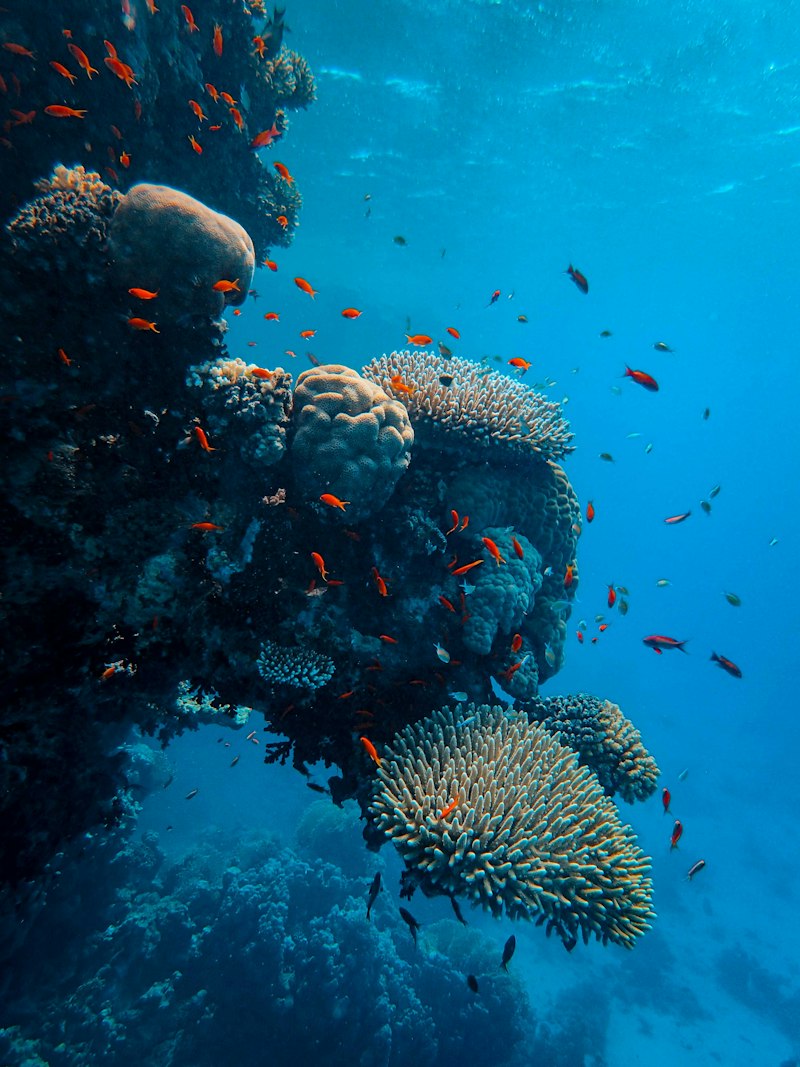
While manta rays are undoubtedly the stars of Lankan Reef, the dive site is a bustling ecosystem teeming with a diverse array of marine life. The warm, nutrient-rich waters of the Maldives support over 2,000 species of fish and a vibrant coral reef system.

    • Manta Rays: Manta Point is world-famous for its consistent sightings of reef manta rays (Mobula alfredi). These magnificent creatures, with wingspans often exceeding several meters, frequent the cleaning stations to have parasites removed by smaller cleaner wrasse. During the peak season (May to November), dozens of mantas can be seen circling the coral blocks, often performing graceful barrel rolls as they feed on plankton or wait for cleaning. Some mantas are even identifiable by unique belly spots and return to the same cleaning stations yearly.
    • Reef Sharks: North Malé Atoll is known for its shark populations, and Manta Point is no exception. Divers frequently encounter whitetip reef sharks and occasionally blacktip reef sharks patrolling the reef. These sleek predators add an exciting dimension to the dive, often seen cruising along the reef edge or resting in sandy patches.
    • Moray Eels: Keep an eye out for various species of moray eels peeking out from the reef's crevices and holes. Giant morays are common, and you might also spot honeycomb morays. They are often found around the coral blocks and overhangs, waiting for unsuspecting prey.
    • Triggerfish: The vibrant reef is home to numerous triggerfish species, including the striking titan triggerfish. While generally curious, they can be territorial, especially when nesting, so maintaining a respectful distance is advisable.
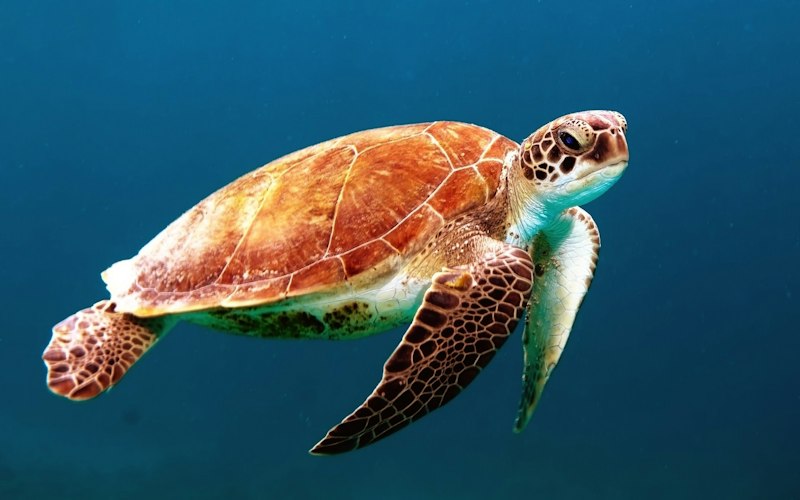
    • Turtles: Green sea turtles and hawksbill turtles are frequent visitors to Lankan Reef. You might spot them resting on coral bommies, gracefully swimming through the water, or even coming to the cleaning station for their own grooming. The Maldives is home to five of the world's seven species of sea turtles, with green and hawksbill being the most common.
    • Other Marine Life: Beyond the headline species, the reef is bustling with activity. Look into the cracks and crevices for lobsters, shrimp, and octopi. Schools of fusiliers, snapper, barracuda, humphead wrasse, and eagle rays are also regularly sighted. The coral landscape itself is rich with both hard and soft corals, providing shelter and food for a myriad of smaller, colorful reef fish.

Seasonal Variations and Photography Opportunities

The best time to see manta rays at Lankan Reef is during the southwest monsoon season, from May to November. During these months, plankton blooms on the eastern side of the atoll, drawing in large aggregations of mantas for feeding and cleaning. While manta sightings are possible year-round in the Maldives, this specific period offers the highest chance of encounters at Lankan Reef.

For photographers, Manta Point offers incredible opportunities. The clear waters and abundant light (especially in shallower areas) create ideal conditions for capturing mantas gliding gracefully. Wide-angle lenses are a must to encompass the sheer size of the mantas and the surrounding reef. Remember to keep a respectful distance and avoid using flash directly on the mantas. A "fun fact" about Maldivian mantas is that some individuals return yearly and can be identified by their unique belly spots, making each encounter potentially part of ongoing research.

When to Dive Manta Point (Lankan Reef)

Timing your visit to Manta Point (Lankan Reef) is crucial for maximizing your chances of incredible manta ray encounters. The Maldives experiences two main monsoon seasons, which dictate the movement of plankton and, consequently, the mantas.

    • Best Months: The prime season for diving Manta Point (Lankan Reef) is from May to November. This period aligns with the southwest monsoon, which brings nutrient-rich waters and plankton blooms to the eastern side of the North Malé Atoll, attracting large numbers of manta rays to the cleaning stations. Daily manta sightings are common from mid-August through November.
    • Visibility Conditions: While the plankton blooms are excellent for attracting mantas, they can sometimes lead to reduced visibility compared to the dry season. However, visibility at Lankan Manta Point is generally good, often ranging from 20 to 30 meters. Calmer seas and high tide typically offer better visibility.
    • Current Patterns: Currents at Manta Point can range from mild to moderate, and occasionally strong, particularly around the cleaning stations. Stronger currents can actually bring in more marine life. Dive operators are experienced in navigating these currents to position divers safely for optimal viewing.
  • Seasonal Marine Life Calendar:
      • May to November (Southwest Monsoon): This is peak manta season for Lankan Reef. Expect frequent and often spectacular manta ray encounters. While visibility might be slightly lower due to plankton, the sheer number of mantas makes it worthwhile. Reef sharks, turtles, and other reef fish are also abundant.
      • December to April (Northeast Monsoon): While Manta Point (Lankan Reef) is less active for mantas during this period, other areas in the Maldives, such as the western side of atolls like South Ari, might see more manta activity. Sea conditions tend to be calmer with better overall visibility during these months, though there is more rain from June to November. The water temperature remains consistently warm, averaging 26-29°C (79-84°F) year-round.

It's worth noting that mantas love the Maldives year-round and simply migrate between atolls or from east to west of a single atoll as seasons change and plankton blooms. Therefore, while May to November is best for Lankan Reef, other manta hotspots exist at different times of the year.

How to Get There

Manta Point (Lankan Reef) is conveniently located in the North Malé Atoll, making it one of the most accessible world-class dive sites in the Maldives. It's approximately 45-90 minutes by boat from Malé.

  • Nearest Resorts: Several excellent resorts offer quick access to Manta Point:
  • Transfer Options:
      • Resort Speedboats: The most common way to reach Manta Point from nearby resorts is via organized speedboat transfers. These are typically arranged by the resort's dive center.
      • Local Speedboats/Private Charters: From Malé, you can take a taxi to the Malé Jetty and then arrange a speedboat transfer. A private charter offers more flexibility but is more expensive.
    • Liveaboard Access: Many Maldives liveaboard itineraries that focus on the North Malé Atoll, such as "Manta Madness" or "Best of Maldives" cruises, include Manta Point (Lankan Reef) as a key dive site. Liveaboards offer the advantage of visiting multiple dive sites and often provide multiple opportunities to dive Lankan Reef at different times of the day. Book Maldives Liveaboard
    • Day Trip Possibilities: Given its proximity to Malé and the airport, day trips to Manta Point are a viable option for those staying on nearby local islands or even for transit passengers with enough time. Dive centers in Malé and Hulhumalé regularly organize excursions to this famous site.

Practical Information

Certification Requirements

Manta Point (Lankan Reef) is generally considered suitable for all levels of certified divers, from Open Water and above. However, some experience or training in deep sea diving is recommended as the reef goes down to about 24 meters, and most action happens between 8 and 20 meters. It is strongly recommended that divers are comfortable with mild to moderate currents and have good buoyancy control, especially when observing the mantas at the cleaning stations.

    • Minimum Certification Level: Open Water Diver.
    • Experience Recommendations: While beginners can enjoy this site, divers with Advanced Open Water certification or those comfortable with drift diving and maintaining neutral buoyancy will have a more relaxed and rewarding experience.

What to Bring

  • Equipment Suggestions:
      • Full Scuba Gear: BCD, regulator, fins, mask, snorkel, wetsuit (3mm is usually sufficient, water temperature is 26-29°C/79-84°F).
      • Dive Computer: Essential for monitoring depth and bottom time.
      • Surface Marker Buoy (SMB): Always a good safety practice for drift dives or in areas with boat traffic.
      • Reef Hook (Optional): Can be useful for maintaining position in stronger currents at a safe distance from the cleaning station, but use with extreme caution and only on dead coral or sand to avoid damaging the reef.
      • Underwater Torch: Useful for peering into crevices to spot smaller marine life.
  • Camera Gear Recommendations: Manta Point is a dream for underwater photographers.
      • Wide-Angle Lens: Essential for capturing the full span of manta rays.
      • Strobes/Video Lights: To bring out the vibrant colors of the reef and mantas.
      • GoPro/Action Camera: A great option for capturing video of the manta action.
      • Protective Housing: Ensure your camera is properly housed and waterproofed for the planned depth.

Pro Tip

Practice your buoyancy before you dive Manta Point. Being able to hover effortlessly will allow you to stay calm, enjoy the mantas, and avoid disturbing the delicate cleaning station environment.

Safety Considerations

Diving at Manta Point (Lankan Reef), while generally easy, requires adherence to safety protocols to ensure a pleasant experience for both divers and marine life.

    • Current Awareness: Currents can vary from mild to moderate and occasionally strong. Always listen carefully to your dive guide's briefing regarding current direction and strength. Stay close to your buddy and group.
    • Group Diving Protocols: Follow your dive guide's instructions on positioning at the cleaning station. Typically, this involves finding a designated area to settle down (often on a sandy patch or dead coral) and remaining still.
    • Emergency Procedures: Familiarize yourself with your dive boat's safety equipment and emergency procedures. Ensure you have an SMB and know how to deploy it.
  • Manta Ray Etiquette: Manta Point is a Marine Protected Area, and strict regulations are in place to protect the mantas.
      • Maintain Distance: Always keep a respectful distance from the mantas (typically 3-4 meters). Do not chase, touch, or block their path.
      • No Flash Photography: Avoid using flash photography directly on the mantas, as it can disturb them.
      • Stay Calm: Sudden movements or loud noises can scare them away. Observe them quietly and respectfully.

Nearby Dive Sites

The North Malé Atoll is a treasure trove of incredible dive sites, offering a diverse range of experiences beyond Manta Point (Lankan Reef). If you're planning a multi-day dive trip or looking for additional dives after your manta encounters, consider these nearby options:

    • Banana Reef: One of the oldest and most famous dive sites in the Maldives, known for its vibrant corals, caves, overhangs, and abundant fish life, including schools of blue-lined snapper.
    • HP Reef (Girifushi Thila): A spectacular reef known for its incredible soft corals, sea fans, and pelagic action. Strong currents here often attract schools of big-eye trevally, barracuda, tuna, and grey reef sharks.
    • Maldives Victory Wreck: A popular wreck dive for advanced divers, this 110-meter cargo ship sank in 1981 and now hosts a thriving ecosystem of corals, groupers, fusiliers, and batfish. It sits at depths ranging from 16 to 35 meters.
    • Lankan Caves: Located southwest of Lankan Reef, this site features a series of caves at depths of 10-22 meters, adorned with soft corals, gorgonian fans, and black corals. Green sea turtles are often seen resting here.
    • Kuda Thila: A small reef pinnacle inside the atoll, offering a swim-through and overhangs. It's known for stonefish, hard corals, and schools of fusiliers hunted by jackfish.
    • Maagiri Caves/Maagiri: A large shallow reef with coral blocks, sand slopes, and a little wall. Famous for big schools of bannerfish and blue-striped snappers, lionfish, and moray eels at cleaning stations.

Many dive centers in the North Malé Atoll offer multi-dive packages that include several of these sites, allowing you to experience the full spectrum of Maldivian underwater beauty. Explore Maldives Dive Packages

Pro Tips for Diving Manta Point (Lankan Reef)

To make your Manta Point experience truly exceptional, here are some insider tips from seasoned divers:

    • Arrive Early: Often, the first dive of the day can offer calmer conditions and fewer divers, increasing your chances of intimate manta encounters.
    • Listen to Your Guide: Local dive guides have an intimate knowledge of manta behavior and current patterns. Their advice on where to position yourself and how to behave is invaluable.
    • Be Patient: Manta rays are wild animals. While Manta Point is known for consistent sightings, there are no guarantees. Be patient, relax, and enjoy the overall reef environment while you wait.
    • Stay Still and Low: Once positioned, try to stay as still as possible, ideally kneeling gently on a sandy patch or hovering neutrally buoyant slightly below the cleaning station. This makes you less of a perceived threat and encourages mantas to come closer.
    • Observe, Don't Interact: Remember the regulations: no chasing, touching, or blocking their path. Let the mantas dictate the encounter. Their curiosity often brings them close to respectful divers.
    • Check the Tides: Mantas are often more active at cleaning stations during incoming tides, which bring in fresh plankton and cleaner fish. Your dive operator will usually factor this into their planning.
    • Bring a Reef Hook (and use responsibly): If currents are strong, a reef hook can help you stay in place without finning excessively or damaging corals. Only attach it to dead rock or sandy areas, never live coral.
    • Pre-Dive Briefing Focus: Pay extra attention to the dive briefing, especially regarding hand signals for manta sightings, safety procedures, and group separation protocols in case of strong currents.

Frequently Asked Questions

What is a manta ray cleaning station?

A manta ray cleaning station is a specific area on a reef, usually a coral bommie or reef section, where smaller cleaner fish (like wrasse) reside. Manta rays visit these stations to have parasites, dead skin, and other debris removed from their bodies, gills, and mouths by these cleaner fish. It's a crucial symbiotic relationship for the mantas' health.

Is Manta Point (Lankan Reef) suitable for beginner divers?

Yes, Manta Point is generally suitable for beginners (Open Water certified and above), as the dive conditions are often mild to moderate and the depths are manageable (10-25m). However, comfort with maintaining neutral buoyancy and some experience with mild currents will enhance the experience significantly.

What is the best time of day to see mantas at Lankan Reef?

Mantas can be seen throughout the day, but early mornings or late afternoons are often considered excellent times, sometimes offering calmer conditions and potentially more active cleaning station behavior. Your dive center will schedule dives based on local knowledge and tidal patterns for the best chances.

Are manta rays dangerous?

No, manta rays are gentle giants and pose no threat to humans. They are filter feeders, meaning they consume plankton and small fish, not divers. They are curious by nature and often approach divers, but it's crucial to maintain a respectful distance and never touch or harass them.

What are the regulations for diving with mantas in the Maldives?

The Maldives is a sanctuary for manta rays, and strict regulations are in place to protect them. Divers must maintain a respectful distance (typically 3-4 meters), avoid touching, chasing, or blocking their path. No flash photography should be used directly on the mantas. Lankan Manta Point is part of a Marine Protected Area.

Can I swim or snorkel with mantas at Lankan Reef?

While Manta Point is primarily known as a dive site, snorkeling with mantas can sometimes be possible, depending on the mantas' depth and behavior. Many dive operators also offer snorkeling trips to areas where mantas are known to aggregate, particularly during feeding events. Always check with your local dive or tour operator for the best options.

What other marine life can I expect to see at Manta Point?

Beyond mantas, you can expect to see reef sharks (whitetip, blacktip), green and hawksbill turtles, various moray eels, triggerfish, barracuda, schools of fusiliers, humphead wrasse, and a vibrant array of smaller reef fish amidst healthy coral formations.

Ready to Book Activity?

Compare prices across top booking platforms and find the best deal for your stay.

Not sure? Compare similar resorts: Kurumba MaldivesBandos Maldives

Best Time to Visit

Visibility best Dec-May. Manta season May-Nov in Baa Atoll. Whale sharks year-round in South Ari.

Share This Guide

Complete Guide

This comprehensive guide covers everything you need to know about scuba diving.

16 minutes read

Best Dive Sites

Hanifaru Bay

Up to 200+ mantas

Baa Atoll

UNESCO site famous for mass manta ray feeding

Maamigili

Whale sharks daily

South Ari

Year-round whale shark encounters guaranteed

Fish Head

Shark diving

North Ari

Legendary dive site with schools of grey reef sharks

Maaya Thila

Night dives

North Ari

Night diving paradise with whitetip sharks

Fotteyo Kandu

Advanced divers

Vaavu

Channel dive with strong currents and big pelagics

Banana Reef

Easy access

North Malé

Maldives' first protected dive site since 1989

Expert Tips

  • 1
    Book dive resorts early - popular ones fill up 6+ months ahead
  • 2
    Consider a liveaboard for accessing remote dive sites
  • 3
    Nitrox certification extends bottom time significantly
  • 4
    Bring reef-safe sunscreen to protect the marine environment
  • 5
    Pack your own mask for better fit and comfort
  • 6
    Check if your resort has a good house reef for unlimited dives

Frequently Asked Questions

Do I need to be certified to dive in the Maldives?

No, most resorts offer discover scuba diving for beginners. However, certified divers have access to better sites.

What's the best atoll for diving?

South Ari Atoll for whale sharks, Baa Atoll for mantas, Vaavu Atoll for channel diving with sharks.

How much does diving cost in the Maldives?

Single dives range from $60-120. Dive packages (10 dives) typically cost $500-900.

Ready to Experience Scuba Diving?

Start planning your dream Maldives vacation today with our trusted partners.