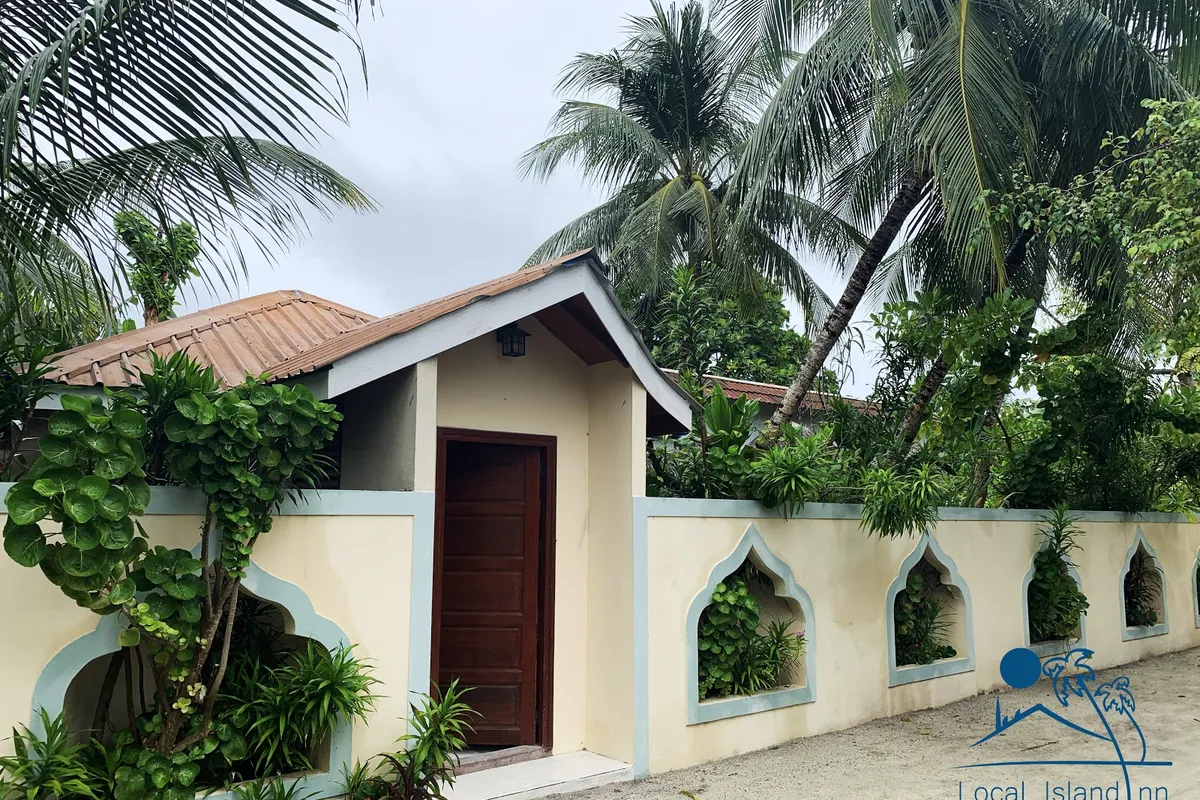
Overview: Why Stay at Moorithi Homestay
In our two decades exploring these atolls, we've seen countless guesthouses come and go, but Moorithi Homestay on Dhiggaru stands out for a very specific reason: it’s where you truly connect with the Maldives, unvarnished and authentic. This isn't a resort, nor does it pretend to be. With just three rooms, Moorithi offers an intimate, almost familial experience that larger guesthouses, even on local islands, simply can’t replicate. We're talking about genuine Maldivian hospitality, where the owners often become your guides and friends, sharing their island home with a warmth that's palpable.
For us, the appeal of Moorithi lies in its commitment to the "homestay" ethos – it was, in fact, the very first licensed homestay accommodation in the Maldives. This isn't just a place to sleep; it’s an invitation to immerse yourself in the rhythm of Dhiggaru, "The Rihaakuru Island," known for its traditional fishing culture and namesake tuna paste. If your vision of a Maldivian escape involves bustling local life, pristine beaches without the resort price tag, and a peaceful retreat away from the tourist crowds, then Moorithi Homestay is precisely where we'd send you. It’s perfect for couples and solo travellers eager to peel back the layers of this incredible country, offering a calm and authentic experience that speaks to the soul of the Maldives.
Location & Getting to Dhiggaru
Dhiggaru is a captivating jewel nestled in the heart of Meemu Atoll, approximately 150 kilometres south of Malé, the nation's capital. This puts it far enough from the main hub to feel truly remote, yet accessible enough for a comfortable journey. The island itself is a picture of classic Maldivian beauty: imagine long stretches of powdery white sand, lush tropical vegetation, and a vibrant coral reef forming a natural lagoon perfect for swimming and snorkelling.
Getting to Dhiggaru from Velana International Airport (MLE) on Hulhule island requires a bit of planning, but our team can assure you it's part of the adventure. Moorithi Homestay is adept at arranging your transfers, ensuring a smooth journey from the moment you land. The most common and efficient method for guesthouse guests is a shared speedboat, which typically takes around 1 hour and 30 minutes to reach Dhiggaru. While prices can fluctuate, you should budget approximately $60-$80 per person for a one-way shared speedboat transfer. For those on a tighter budget or with more time, public ferries are an option, though they are significantly slower, often taking several hours, and run on less frequent schedules. A private speedboat offers ultimate flexibility and speed but comes at a considerably higher cost, easily running into several hundred dollars. We always advise confirming the latest schedules and prices directly with Moorithi Homestay when you book, as they can coordinate the best option for your arrival.
Once you arrive at Dhiggaru's jetty, Moorithi Homestay is conveniently located in the heart of the island, offering easy access to the community, shops, and the beach. Dhiggaru is a small island, so the walk or a quick ride from the jetty to the guesthouse is a pleasant introduction to island life, where you'll immediately feel the tranquil pace.
Rooms & Accommodation
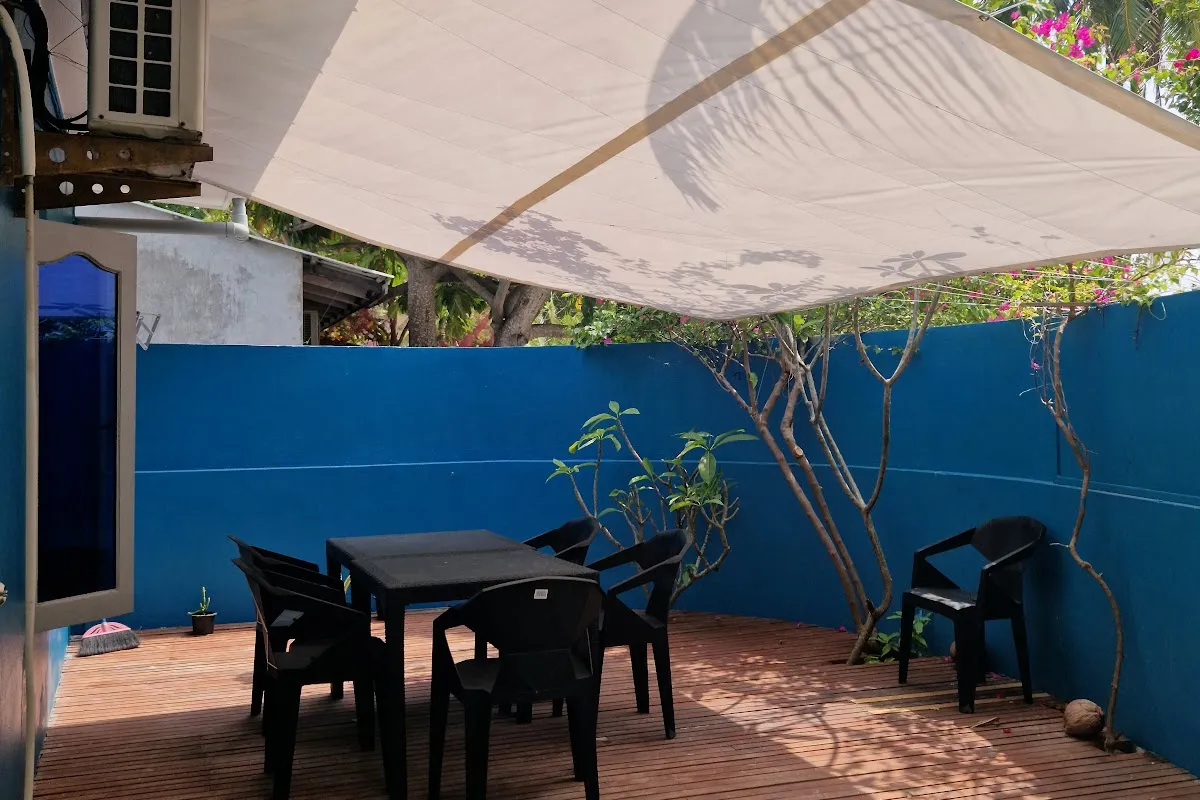
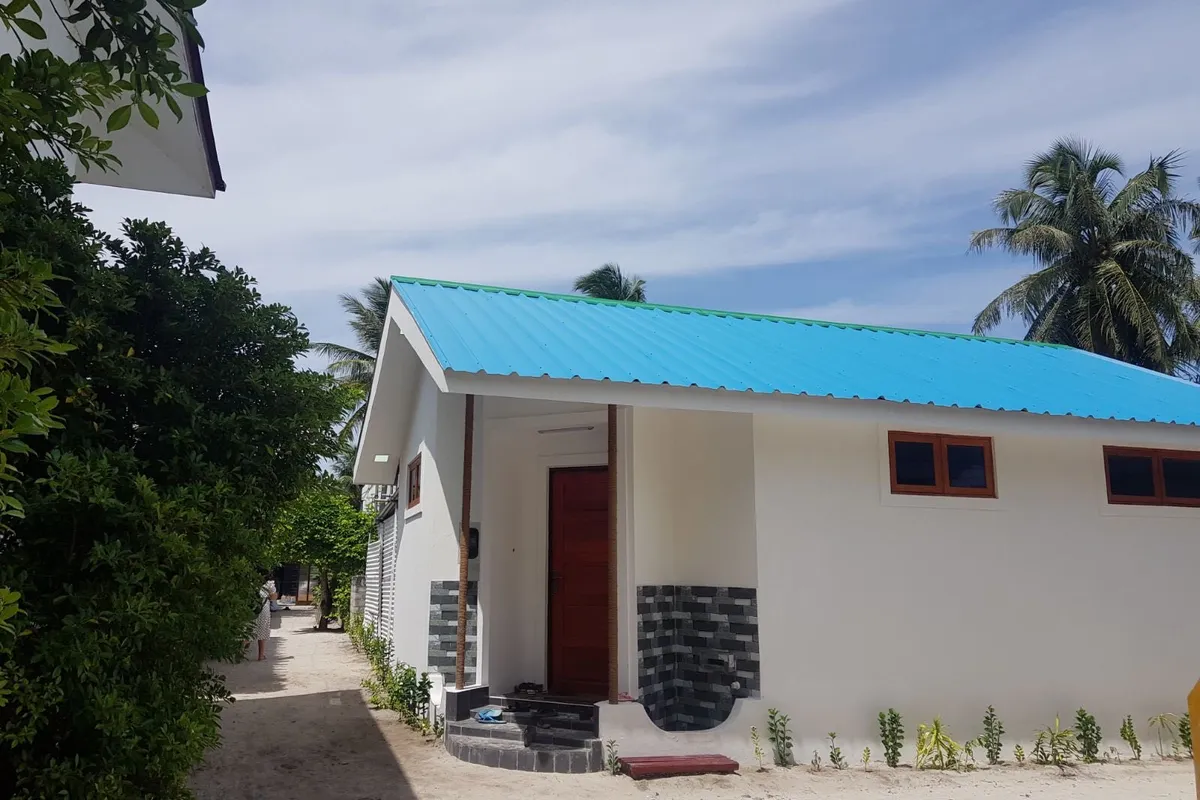
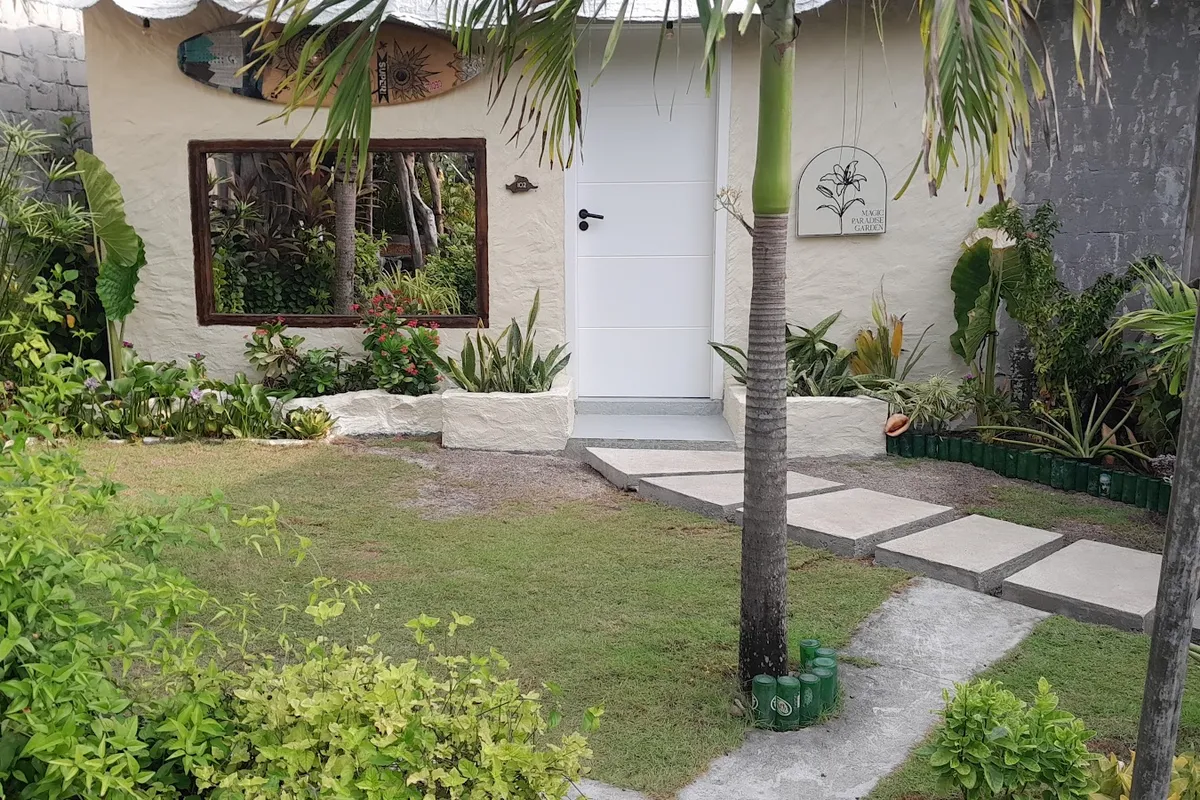
Moorithi Homestay, with its intimate offering of just three rooms, provides a distinct experience from larger, more impersonal guesthouses. Here, you're not just a room number; you're a guest in a home. The standard rooms are designed for comfort and practicality, typical of a well-maintained local island guesthouse. We’ve found that properties of this scale prioritize a clean, comfortable base for exploration over opulent luxury, and Moorithi delivers on that promise.
Each room at Moorithi Homestay comes equipped with essential modern amenities to ensure a comfortable stay. You can expect air conditioning to combat the tropical heat, reliable Wi-Fi for staying connected (or sharing your adventures!), and hot water for a refreshing shower after a day in the sun. Many rooms also feature a private entrance, a desk/workspace, and often a balcony or terrace, offering a pleasant spot to relax and soak in the island atmosphere. While sea views aren't guaranteed from every room in an inner-island homestay, the short walk to the beach means the ocean is never far away.
The atmosphere here is undeniably personal. You'll often interact directly with the owners and their family, gaining insights into local life that are simply unavailable in larger establishments. This close-knit environment fosters a sense of community among guests, too, making it easy to share stories and plans for the day. For us, this is the true charm of a small, owner-operated property like Moorithi – it’s less about a long list of facilities and more about the authentic, welcoming vibe.
Dining & Local Food
At Moorithi Homestay, the focus is on experiencing authentic Maldivian life, and that extends wonderfully to the food. While the rates are typically "room only", the guesthouse can certainly arrange delicious, home-cooked meals for you, offering a genuine taste of local cuisine. We highly recommend taking this opportunity to sample the island's culinary delights right where you stay.
Beyond the homestay, Dhiggaru, as a local island, offers a few charming local cafés and small eateries where you can dine alongside residents. You'll find places like the Dhiggaru Cafe serving traditional Maldivian cuisine, providing an excellent opportunity to immerse yourself in the local food scene. Meal costs on local islands are incredibly budget-friendly, with a typical meal often costing around $5, a stark contrast to resort prices.
When it comes to must-try Maldivian dishes, our team always points to the staples. For breakfast, Mas Huni is an absolute essential – a delightful mix of shredded smoked tuna, grated coconut, onion, and lime, usually served with warm Roshi (flatbread). For lunch or dinner, don’t miss Garudhiya, a clear fish broth, often made with tuna, served with rice, lime, chili, and onions. And of course, Dhiggaru is known as "The Rihaakuru Island", so sampling Rihaakuru, a thick, concentrated tuna paste, is a must. It’s an acquired taste for some, but a true Maldivian delicacy. Throughout the day, keep an eye out for Hedhikaa, traditional Maldivian short eats or snacks, often fried fish pastries or dumplings like Bajiya or Gulha, found at local tea shops.
It’s important to remember that Dhiggaru is a local, inhabited island in a Muslim country. This means alcohol is strictly prohibited everywhere on the island. You cannot purchase it, nor can you bring it in from the airport (it will be confiscated). This is a fundamental aspect of local island life that we encourage all visitors to respect, allowing for a truly authentic cultural experience.
Activities & Excursions
Snorkelling & Diving
The waters surrounding Dhiggaru and the wider Meemu Atoll are nothing short of spectacular, teeming with marine life. The island's house reef offers easy access to vibrant coral formations and a diverse array of tropical fish, making it an excellent spot for casual snorkelling right from the shore. Moorithi Homestay itself offers organised snorkelling trips, providing an accessible way to explore the best spots within reach.
For more serious underwater exploration, Meemu Atoll is renowned among divers for its pristine and less-crowded dive sites. We've often found ourselves as the only boat at a site, a rarity in busier atolls. The atoll boasts an almost continuous barrier reef, punctuated by deep channels (kandus) that funnel nutrient-rich waters, attracting large pelagic species. You can expect to see an incredible array of marine life, from schools of snapper, jacks, and fusiliers to larger residents like giant barracuda, grouper, and napoleon wrasse.
Meemu Atoll is particularly famous for its manta ray cleaning stations, especially around Medhufushi Island, where sightings are frequent. While manta rays can be seen year-round, the southwest monsoon season (May to November) brings stronger currents and plankton-rich waters, making it an especially good time for manta encounters. Whale sharks, the ocean's gentle giants, are also seasonal visitors, typically appearing during the drier northeast monsoon from December to April. Other common sightings include mobula rays, grey reef sharks, and eagle rays.
While there are no independent dive centres directly on Dhiggaru, nor in Meemu Atoll in general (only resort-attached ones), Moorithi Homestay can help arrange diving excursions with nearby operators. Representative prices for a single dive typically range from $60-$80, with multi-dive packages and courses offering better value. The conditions in Meemu Atoll are diverse, with some sites offering minimal current perfect for beginners, while the channels provide thrilling drift dives for advanced divers.
Sandbank & Island-Hopping Trips
A quintessential Maldivian experience, sandbank and island-hopping trips are readily available from Dhiggaru, and Moorithi Homestay can facilitate these excursions at a reasonable price. A typical half-day or full-day trip might involve a visit to a pristine, uninhabited sandbank for a secluded picnic lunch, where you can swim, sunbathe, and feel like you have a slice of paradise all to yourselves. These trips often include snorkelling stops at vibrant reefs along the way.
Island-hopping allows you to explore other local islands in Meemu Atoll, offering a glimpse into different facets of Maldivian life. While Dhiggaru is known for its fishing culture, other islands might have unique crafts or historical sites. If you're visiting during the right season, dedicated manta ray or whale shark trips can also be arranged, taking you to prime viewing locations within the atoll. Our team always recommends discussing your interests with the guesthouse, as they can tailor excursions to provide the most memorable experiences.
Cultural Experiences
Staying on Dhiggaru provides a unique window into authentic Maldivian culture, far removed from the curated experiences of resorts. We encourage you to embrace the local pace of life. A simple village walk offers rich insights, from observing traditional fishing practices – the island's primary livelihood – to visiting the beautifully maintained Friday mosque. Dhiggaru is also known for its vibrant boduberu drumming, a traditional Maldivian music style, and if you're lucky, you might experience a live performance during a local festival or event.
For those interested in the culinary traditions, learning about the production of Rihaakuru, for which Dhiggaru is famous, is a fascinating experience. Photography is generally welcomed, but we always advise being respectful and asking permission before taking close-up photos of individuals, especially women and children. Dress modestly when exploring the village, as a sign of respect for local customs.
Rates & Pricing
Moorithi Homestay offers excellent value for budget-conscious travellers seeking an authentic Maldivian experience. Based on our 2026 research, here are the realistic pricing estimates for a standard double room:
| Room Type | Low Season (May–Oct) | High Season (Nov–Apr) |
|---|---|---|
| Standard Double Room | from $45–55/night | from $65–85/night |
Please note that these rates are typically for a room-only basis. Breakfast, transfers, and excursions are usually not included in the base rate, but Moorithi Homestay offers these services, and they can be arranged and paid for separately. The guesthouse explicitly states they arrange return transfers from Velana International Airport (MLE) and offer night fishing and snorkelling trips at a lower price.
For the best booking channels, we recommend contacting Moorithi Homestay directly or checking reputable online travel agencies where they are listed. Direct booking can sometimes offer personalized packages or better rates, especially if you plan to stay for an extended period or book multiple excursions. Always compare options to find the best deal for your specific travel dates.
Who Should Stay Here (and Who Should Skip It)
- Best for:
- Budget Travellers: Seeking an affordable way to experience the Maldives without compromising on authenticity.
- Culture Seekers: Eager to immerse themselves in genuine Maldivian village life and interact with locals.
- Couples & Solo Travellers: Looking for a peaceful, intimate, and quiet escape away from resort crowds.
- Nature Lovers & Snorkellers: Appreciating pristine beaches, healthy reefs, and abundant marine life without a hefty price tag.
- Probably not for:
- Luxury Seekers: Those expecting resort-style amenities, fine dining, or private villas.
- Party-Goers: Individuals looking for alcohol, nightlife, or a bustling social scene, as local islands are dry.
- Families with Very Young Children: While welcoming, the limited facilities might not cater to specific needs like kids' clubs or extensive entertainment.
Practical Info
- Money: Dhiggaru now has 24/7 self-service ATMs provided by the Bank of Maldives, offering both cash withdrawal and deposit services. While USD is widely accepted at guesthouses and for excursions, ATMs dispense Maldivian Rufiyaa (MVR), which is useful for smaller purchases at local shops and cafes. It's always wise to carry some smaller denominations of USD and MVR cash, as not all small vendors accept cards. Note that only newer $100 banknotes are typically accepted.
- Connectivity: Moorithi Homestay offers Wi-Fi, which is generally available in public areas of guesthouses on local islands. 4G/5G mobile coverage is also generally good across inhabited islands, and local SIM cards are readily available at the airport if you need consistent personal data.
- Water & power: Desalinated water is the norm across the Maldives, safe for drinking. Power supply on local islands is generally reliable, and guesthouses like Moorithi will have air conditioning and standard electrical outlets.
- Medical: Dhiggaru has a health centre that operates 24 hours a day with general physicians. However, it's important to note that laboratory tests and scan services are not available on the island. For serious medical emergencies, transfer to a larger island or Malé would be necessary. We always recommend comprehensive travel insurance.
- Best time to visit: The Maldives experiences two main seasons. The dry season (high season) from December to April offers the best weather with low humidity, sunny skies, and calm seas, ideal for all activities and excellent underwater visibility. April can be particularly hot. The wet season (low season) from May to November brings occasional rain, stronger winds, and higher humidity, but also offers fewer crowds and better value. For marine life in Meemu Atoll, manta rays are abundant from May to November, while whale sharks are more common from December to April. The shoulder months of April and November often provide a good balance of weather and value, with November being particularly good for manta and whale shark sightings as the seasons transition.
- Dress code: Modesty is key on Dhiggaru, as it is a local island. When walking through the village streets, women should dress conservatively, covering shoulders, chest, and upper legs (skirts, dresses, or shorts ideally reaching the knee). Loose-fitting clothing is preferred. Bikinis and swimwear are strictly reserved for designated "bikini beaches" or private guesthouse areas, not for public village spaces. Men should wear shirts or t-shirts in public areas, with shorts reaching the knees.
aMaldives Expert Verdict
Our take: We think Moorithi Homestay offers an unparalleled opportunity for the budget-conscious and culturally curious traveller to truly experience the Maldives beyond the resorts. It stands out on Dhiggaru for its genuine homestay feel and the personalized attention you receive, making you feel less like a tourist and more like a visiting friend. Honestly, the only caveat is that if you're chasing luxury amenities or a lively party scene, this isn't your spot; Moorithi is about peaceful immersion, not indulgence.
— aMaldives Editorial Team, reviewed 2026
Frequently Asked Questions
How do I get to Dhiggaru Island and Moorithi Homestay?
The most common transfer to Dhiggaru from Velana International Airport (MLE) is via shared speedboat, which takes approximately 1 hour and 30 minutes. Moorithi Homestay can arrange these transfers for you upon booking. Public ferries are also an option, though they are slower and less frequent.
Are meals included at Moorithi Homestay?
Typically, Moorithi Homestay rates are for 'room only,' meaning breakfast and other meals are not automatically included. However, the guesthouse can arrange meals for you, and there are local cafés on Dhiggaru where you can experience authentic Maldivian cuisine at budget-friendly prices.
Can I drink alcohol on Dhiggaru Island?
No, Dhiggaru is a local inhabited island, and alcohol consumption is strictly prohibited by Maldivian law. It is also illegal to bring alcohol into the Maldives; any alcohol brought in will be confiscated at the airport. You can only consume alcohol at resort islands or designated floating bars.
What is the best time to visit Dhiggaru for marine life encounters?
For manta ray sightings in Meemu Atoll, the wet season from May to November, particularly September and October, is often best due to plankton-rich waters. Whale sharks are more commonly spotted during the dry season, from December to April. However, Meemu Atoll offers year-round manta ray sightings.
Are there ATMs on Dhiggaru Island?
Yes, Dhiggaru Island now has 24/7 self-service ATMs provided by the Bank of Maldives, offering both cash withdrawal and deposit services. While USD is widely accepted, ATMs dispense Maldivian Rufiyaa (MVR).
What should I wear on Dhiggaru Island?
On Dhiggaru, a local island, modest dress is expected. Women should cover their shoulders, chest, and upper legs with loose-fitting clothing. Bikinis and swimwear are only permitted at designated tourist beaches or private guesthouse areas, not in public village spaces. Men should wear shirts and shorts that ideally reach the knees.