
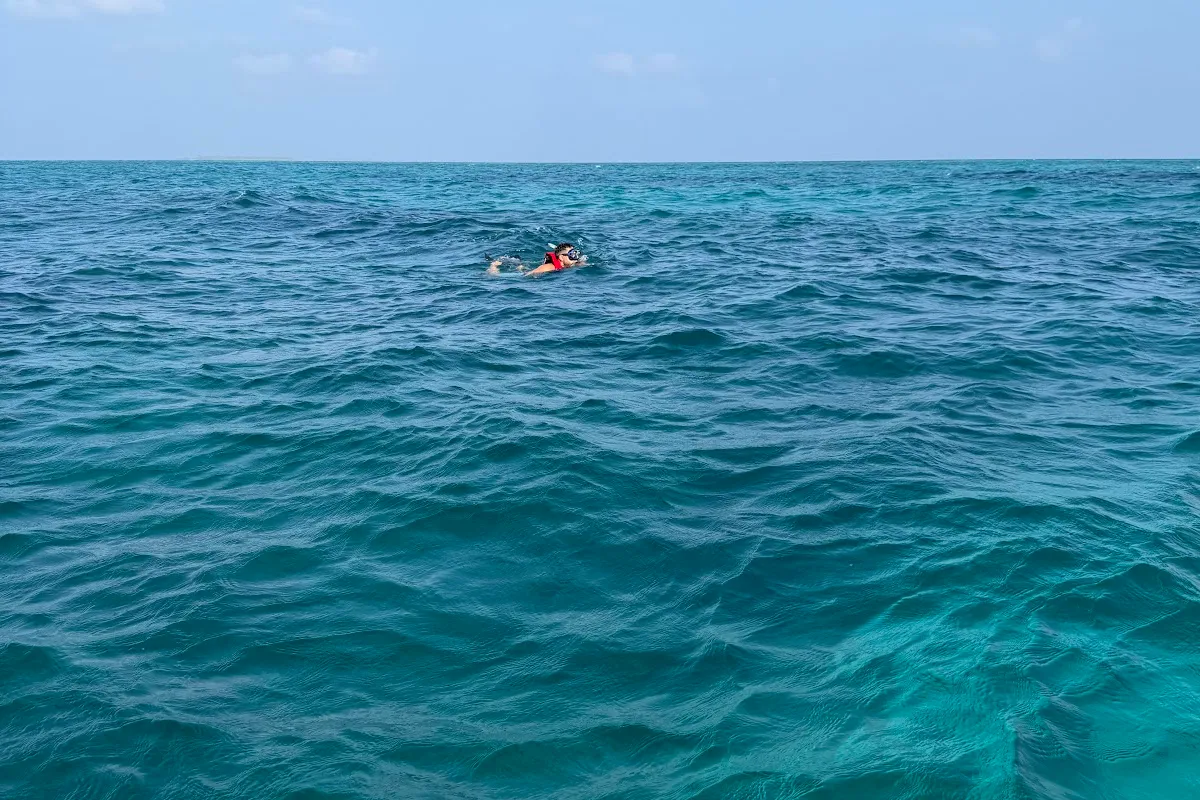
The Maldives, a scattered jewel box of islands in the heart of the Indian Ocean, represents the pinnacle of tropical paradise for many. But for certified divers, it's far more than just pristine beaches and overwater bungalows – it's a vibrant, pulsating underwater world teeming with life, a true mecca for those who seek the thrill of the deep. This archipelago of 26 natural atolls and over 1,000 coral islands offers an unparalleled scuba diving experience, making a Maldives diving trip an absolute bucket-list adventure.
Imagine drifting effortlessly along kaleidoscopic coral reefs, eye-to-eye with majestic manta rays, or sharing the serene blue with the gentle giants of the ocean, the whale sharks. The Maldives consistently ranks among the top diving destinations globally, renowned for its crystal-clear visibility, warm waters, and an astonishing diversity of marine fauna, from tiny nudibranchs to massive pelagics. Whether you're a seasoned underwater photographer aiming for that perfect shot, a marine life enthusiast eager to witness biodiversity, or simply a certified diver seeking an unforgettable escape, the best diving Maldives has to offer awaits you.
This comprehensive guide is meticulously crafted for certified divers planning their ultimate Maldivian underwater adventure. We'll navigate through every essential aspect of dive trip planning Maldives, from selecting the ideal time to visit and choosing between luxurious resorts or immersive liveaboards, to budgeting, packing, and discovering the most iconic dive sites. Prepare to unlock the secrets to a truly extraordinary Maldives diving experience.
Quick Overview
Embarking on a Maldives diving trip promises an adventure of a lifetime. Here’s a snapshot of what to expect:
- Duration: Typically 7-14 days, offering ample time to explore multiple dive sites and marine environments.
- Budget: A wide range from $3,000 - $10,000 per person, depending on accommodation style (guesthouse, resort, or liveaboard), dive package intensity, and travel preferences.
- Certified Divers: The Maldives offers diverse diving, from gentle drifts to exhilarating channel dives, suitable for various certification levels, though many sites are best appreciated by experienced divers.
- Marine Life Enthusiasts: Expect encounters with manta rays, whale sharks, reef sharks, eagle rays, turtles, and an incredible array of reef fish and corals.
- Underwater Photographers: The exceptional visibility and abundant marine life provide endless opportunities for stunning underwater photography.
- What to Expect: Warm, crystal-clear waters (27-30°C / 81-86°F year-round) with visibility often exceeding 20-30 meters. Expect drift dives along vibrant coral walls and through current-swept channels, encounters with large pelagic species, and healthy reef systems. Many dives are conducted from a 'dhoni' (a traditional Maldivian boat) that takes you to the dive sites, allowing the main vessel (liveaboard or resort boat) to remain at anchor or cruise to the next location.
Planning Your Trip
A successful Maldives diving trip requires careful planning to maximize your underwater encounters and ensure a smooth, enjoyable experience. Here’s a step-by-step guide to help you organize your ultimate dive adventure:
Step-by-Step Guide
- Define Your Diving Goals: Are you primarily interested in whale sharks, manta rays, specific reef types, or wrecks? Your priorities will influence the best time to visit and which atolls or liveaboard itineraries to choose.
- Choose Your Accommodation Style: Decide between a resort-based dive vacation or an immersive liveaboard safari. Each offers distinct advantages (detailed in the "Where to Stay" section).
- Set Your Budget: The Maldives can cater to various budgets, from more affordable guesthouses on local islands to ultra-luxury resorts and liveaboards. Having a clear budget will narrow down your options significantly.
- Select Your Travel Dates: Align your trip with the optimal months for your desired marine encounters and weather preferences (see "Best Time to Visit").
- Book Flights and Transfers: Secure your international flights to Velana International Airport (MLE) in Malé. Remember that transfers to your chosen island or liveaboard are often a significant cost and must be pre-arranged.
- Confirm Diving Packages/Liveaboard Bookings: Book your dive package with your chosen resort or secure your spot on a liveaboard well in advance, especially for peak season travel.
- Check Visa Requirements: Most nationalities receive a free 30-day tourist visa on arrival, but ensure your passport is valid for at least one month beyond your stay. You'll also need a confirmed hotel booking, proof of sufficient funds, an onward/return ticket, and to complete an online traveler declaration within 96 hours of your flight.
- Obtain Dive Insurance: Comprehensive dive insurance is highly recommended, covering medical emergencies, evacuation, and trip cancellations. DAN (Divers Alert Network) is a popular choice.
- Review Certifications and Skills: Ensure your dive certifications are current. Consider advanced certifications like Enriched Air (Nitrox) for extended bottom times, and Advanced Open Water Diver for deeper sites and drift diving techniques.
- Pack Smart: Refer to our "What to Pack" section to ensure you have all essential dive gear, personal items, and travel necessities.
Pro Tip
For the best diving Maldives experience, especially for specific marine life encounters, research atoll-specific seasons. South Ari Atoll is excellent for whale shark sightings year-round, while Baa Atoll's Hanifaru Bay is world-renowned for manta ray aggregations from June to November.
Key Considerations
- Health and Safety: While the Maldives is generally safe, always be aware of your surroundings. Drink plenty of water to stay hydrated, especially in the tropical climate. Protect yourself from the sun.
- Currents: Maldivian diving often involves drift dives due to strong currents, which sweep nutrients and marine life along the island chains. Good buoyancy control and comfort with currents are essential.
- Environmental Awareness: The Maldives is a fragile ecosystem. Practice responsible diving by maintaining neutral buoyancy, avoiding contact with corals, and never touching or harassing marine life. Use reef-safe sunscreen.
- Connectivity: Wi-Fi is generally available at resorts and on most liveaboards, but may be slower or less reliable in more remote areas. Consider a local SIM card if constant connectivity is crucial.
Timeline Recommendations
To ensure the smoothest Maldives diving trip, consider the following timeline:
- 6-12 Months Out:
- Research and book your preferred liveaboard or resort, especially if traveling during peak season (December-April) or for specific events like manta season in Hanifaru Bay.
- Start monitoring flight prices and book when you find a good deal.
- Ensure your passport is valid and has sufficient blank pages.
- 3-6 Months Out:
- Book any necessary domestic flights or seaplane/speedboat transfers to your accommodation.
- Obtain dive insurance.
- Consider taking advanced dive courses (e.g., Nitrox, Advanced Open Water) to enhance your experience.
- 1-2 Months Out:
- Service your dive gear if needed, especially regulators and BCDs.
- Pack essential personal dive gear like your mask and dive computer.
- Finalize your packing list.
- 2 Weeks Out:
- Reconfirm all bookings (flights, accommodation, transfers, diving).
- Complete the online Maldives traveler declaration form.
Where to Stay
Your choice of accommodation significantly shapes your Maldives diving trip experience. The two primary options are liveaboards and resort-based diving, each offering unique advantages for divers.
Liveaboards: The Ultimate Dive Immersion
For serious divers whose primary focus is maximizing time underwater and exploring diverse, often remote, dive sites, a liveaboard safari is the ultimate choice. These floating hotels allow you to wake up at a new dive site each day, providing unparalleled access to the best diving Maldives has to offer across multiple atolls.
- Benefits:
- Access to Remote Sites: Liveaboards can reach dive sites inaccessible to day boats from resorts, including pristine reefs and pelagic hotspots far from inhabited islands.
- Intensive Diving: Typically offering 3-4 dives per day, including night dives, liveaboards are designed for divers who want to spend as much time as possible underwater.
- Explore Multiple Atolls: Many itineraries cover several atolls, increasing your chances of encountering diverse marine life and varied topography.
- Community: You'll share the experience with a like-minded group of divers, often fostering a strong sense of camaraderie.
- All-Inclusive Packages: Most liveaboard prices include accommodation, all meals, dives, and often even some excursions, simplifying budgeting.
- Specific Recommendations & Prices:
- Budget-Friendly: Vessels like the MV Ari Queen or MV Stingray offer comfortable cabins and excellent diving at a more accessible price point, starting around $1,300 - $1,800 for a 7-night trip.
- Mid-Range to Luxury: Options like the Scubaspa Ying and Scubaspa Yang cater to those seeking more amenities, including on-board spas (ideal for non-diving partners), with prices ranging from $2,500 to over $4,000 for a 7-night trip. Other well-regarded liveaboards include the Maldives Aggressor II (from $2,785 per trip) and MV Carpe Diem (from $1,611 per trip).
- Ultra-Luxury: For the ultimate indulgence, consider the Blue Force One, featuring spacious cabins and premium services.
Good to Know
Liveaboard itineraries often focus on specific atolls or marine life. For instance, some may concentrate on the Central Atolls (North and South Malé, Ari, Rasdhoo, Vaavu) for a mix of sharks, mantas, and diverse reefs, while others head to the Deep South for tiger sharks and hammerheads.
Resorts: Comfort and Flexibility
Maldivian resorts offer a blend of luxurious comfort and excellent diving facilities, making them ideal for divers traveling with non-diving companions or those who prefer a more relaxed pace with access to island amenities.
- Benefits:
- House Reef Diving: Many resorts boast incredible house reefs, allowing for easy shore dives or snorkeling right from your villa.
- Flexibility: You have the freedom to choose your dive schedule, participate in other activities, and enjoy diverse dining options.
- Variety of Amenities: Resorts offer spas, multiple restaurants, water sports, and kids' clubs, catering to a wider range of interests.
- Beginner-Friendly: Resorts can often provide more tailored experiences for less experienced divers, with easier dive sites and dedicated instructors.
- Specific Recommendations & Prices:
- Budget-Friendly (Local Islands): Staying on local islands with guesthouses has become a popular and affordable way to experience the Maldives. Islands like Fulidhoo (Vaavu Atoll, known for nurse shark night dives), Thulusdhoo, and Dhiffushi (North Malé Atoll, good for mantas) offer guesthouse rooms from US$50 – US$150 per night. Dive centers on these islands offer dives for around US$50-60 and full-board for US$20-30 a day. Aveyla Manta Village in Dharavandhoo is another budget-friendly option, starting from $28 per person/per night.
- Mid-Range: Resorts like Kurumba Maldives offer rooms from around $136 per person/per night. Many mid-range resorts will have in-house dive centers and offer dive packages.
- Luxury: The Maldives is synonymous with luxury. Expect prices from $500 to over $10,000 per night, not including taxes or activities.
- Mövenpick Resort Kuredhivaru: Known for its overwater bungalows, prices start around $1,000 per night.
- Vilamendhoo Island Resort: A great diving resort with easy access to excellent sites, starting from £151 per night (half board). An 11-day stay with 10 shore dives here starts from €2649 per person.
- Amilla Fushi: Located in a UNESCO World Heritage site, famous for manta rays, from £415 per night.
- Anantara Dhigu Luxury Family Resort: Offers a range of snorkeling and diving sites, from £955 per night.
- Six Senses Laamu: An environmentally responsible luxury resort with a great house reef, from £429 per night.
- OZEN Reserve Bolifushi: Features an exceptional house reef and a PADI 5-Star Dive Centre with access to over 30 dive sites in South Malé Atoll.
Budget Breakdown
A Maldives diving trip can vary significantly in cost, depending on your choices in flights, accommodation, and activities. Here’s an estimated budget breakdown for a 7-14 day trip, aligning with the $3,000 - $10,000 range:
| Category | Estimated Cost (per person) | Notes |
|---|---|---|
| Flights | $639 - $1,800+ | Round-trip from major hubs (e.g., USA, Europe) to Malé (MLE). Prices can be lower with stops or during off-peak seasons. |
| Accommodation (per night) | $50 - $10,000+ |
|
| Food & Dining (per day) | $30 - $150+ |
|
| Activities (Diving) | $600 - $2,000+ |
|
| Transfers (round trip) | $60 - $1,400+ |
|
| Miscellaneous (Insurance, Green Tax, etc.) | $100 - $300+ |
|
| Total (7-14 days) | $3,000 - $10,000 | This range is for a single diver, covering various styles from budget guesthouse/local island diving to mid-range resort or liveaboard experiences. Luxury trips can easily exceed this. |
Pro Tip
To reduce costs on your Maldives diving trip, consider staying on a local island with a guesthouse. Accommodation, food, and diving are significantly cheaper than on resort islands, allowing for an amazing dive experience without the luxury price tag.
Best Time to Visit
The Maldives offers excellent diving opportunities year-round, thanks to consistently warm water temperatures between 27-30°C (81-86°F). However, distinct monsoon seasons influence weather patterns, visibility, and marine life encounters, making certain periods optimal for specific experiences on your Maldives diving trip.
Optimal Months for This Trip Type
Generally, the best diving Maldives experiences, particularly for overall calm seas and high visibility, occur during the dry season.
- Northeast Monsoon (Dry Season): December to April
- Weather: This is the dry season, characterized by clear blue skies, calm seas, and minimal wind.
- Visibility: Excellent, often reaching 25-40 meters (up to 130 feet), especially from February to April. This makes it ideal for underwater photography and exploring vibrant coral reefs.
- Marine Life: While diverse marine life is present, this season is particularly good for shark sightings (especially on the east side of atolls from December to April), abundant reef fish, turtles, and moray eels.
- Best For: Beginners, photographers, and those seeking the most reliable weather and calmest conditions.
- Southwest Monsoon (Wet Season): May to November
- Weather: This season brings stronger winds and a higher chance of rain, though usually in intermittent showers, with plenty of sunny spells still occurring. Seas can be rougher.
- Visibility: May decrease slightly (10-25 meters) due to plankton blooms.
- Marine Life: The plankton blooms, however, are a magnet for large pelagic species! This period is considered the best time for manta ray aggregations in Baa Atoll's Hanifaru Bay (June-November) and for whale shark sightings year-round in South Ari Atoll. More pelagic encounters in deeper channels are also common.
- Best For: Experienced divers seeking thrilling encounters with megafauna, and those looking to avoid peak season crowds.
Weather Considerations
Despite the monsoon seasons, the Maldives maintains a tropical climate with warm temperatures throughout the year. Air temperatures generally hover around 28-30°C (82-86°F). While the wet season has a higher chance of rain, it rarely results in prolonged downpours, and many days still offer sunshine. However, stronger winds can lead to choppier seas, which might affect boat transfers or comfort for those prone to seasickness.
Peak vs. Off-Season
- Peak Season (December - April): Coincides with the dry season. Expect higher prices for flights and accommodation, and more crowds at popular resorts and dive sites. Booking well in advance is crucial.
- Off-Season (May - November): Offers lower prices and fewer crowds. While there's a higher chance of rain and potentially lower visibility, the opportunities for manta ray and whale shark sightings are often at their peak in specific locations. This can be an excellent time for a budget-friendly Maldives diving trip or for divers prioritizing specific megafauna encounters.
Good to Know
June and July are often cited as months to potentially avoid if calm seas are a priority, as winds can pick up significantly during the monsoon changeover.
Top Tips for Success
To make your Maldives diving trip truly exceptional, keep these expert tips in mind:
- South Ari for Whale Sharks Year-Round: The South Ari Atoll is famous for its consistent whale shark sightings. Unlike other locations where these magnificent creatures are seasonal, the shallow waters around islands like Maamigili in South Ari Atoll offer year-round opportunities to encounter them. Consider a liveaboard itinerary that focuses on this region or a resort on a nearby local island like Maamigili itself.
- Baa Atoll for Manta Rays (June-Nov): If manta rays are high on your list, plan your visit to Baa Atoll, particularly Hanifaru Bay, between June and November. This UNESCO Biosphere Reserve becomes a feeding hotspot during the southwest monsoon, attracting hundreds of mantas to feed on plankton aggregations. It's an unparalleled experience for snorkelers and divers alike (though diving is restricted in Hanifaru Bay itself, snorkeling is permitted to protect the ecosystem).
- Consider a Liveaboard Safari: For the most immersive and diverse best diving Maldives experience, a liveaboard safari is highly recommended. Liveaboards provide access to remote atolls and a greater variety of dive sites, including channels, thilas (submerged pinnacles), and outer reefs, allowing you to chase marine life across different locations throughout your trip. This is especially beneficial for serious divers aiming for multiple dives daily.
- Bring Nitrox Certification: Enriched Air Nitrox allows for longer bottom times, especially on repetitive dives, and can help reduce post-dive fatigue, which is invaluable on a multi-day Maldives diving trip. If you're not already certified, consider taking the course before you go. PADI and TDI Nitrox certifications are widely recognized and can be completed online for around $140 - $145 for the eLearning portion, with practical sessions and full certification potentially costing $100-$300 total.
- Pack Your Own Mask and Computer: While dive centers offer rental gear, bringing your own mask ensures a comfortable, leak-free fit, which can significantly enhance your dive experience. Similarly, having your own dive computer is crucial. Not only is it legally required for each diver in the Maldives, but familiarity with your personal computer ensures you understand its readings and safety features, promoting safer diving.
Pro Tip
Strong currents are common in the Maldives. Consider taking a drift diving specialty course if you're not accustomed to this type of diving. A reef hook can also be a useful safety tool for holding position without damaging corals during strong currents, and is often a requirement on liveaboards.
What to Pack
Packing for your Maldives diving trip requires careful consideration to ensure you have everything you need for both underwater adventures and island relaxation. Here’s a comprehensive checklist:
Essential Dive Gear
- Mask and Snorkel: Your own well-fitting mask is paramount for comfort and clear vision underwater.
- Fins and Boots: Adjustable or full-foot, depending on your preference and if you plan to walk on any rocky areas.
- Wetsuit: The water temperature is warm (27-30°C), so a 3mm shorty or full suit is usually sufficient for thermal protection and jellyfish stings. A rash guard offers additional sun protection.
- BCD (Buoyancy Control Device): Familiarity with your own BCD enhances safety and comfort.
- Regulator Set: Including your primary, alternate air source, and gauges.
- Dive Computer: Absolutely essential and legally required for each diver in the Maldives. Knowing how to use your own unit is vital.
- Surface Marker Buoy (SMB) and Reel: Strong currents are common, making an SMB a crucial safety item for signaling your location to the boat after a drift dive.
- Reef Hook: Helpful for holding position in strong currents without damaging coral, and often a requirement on liveaboards.
- Dive Logbook: To record your incredible Maldivian dives.
- Certification Cards: Your physical dive certification cards (or digital equivalents) are a must.
Category-Specific Gear
- Underwater Camera and Accessories: If you're an underwater photographer, bring your camera, housing, strobes, lights, and plenty of spare batteries/memory cards.
- Dive Torch/Primary Light: Essential for night dives and exploring overhangs or caves during day dives.
- Spare Parts Kit: O-rings, mask strap, fin strap, and cable ties can be lifesavers for minor equipment issues.
Electronics and Accessories
- Universal Travel Adapter: Outlets are typically Type G (UK style).
- Power Bank: To keep your devices charged, especially on dive boats.
- Dry Bag: Indispensable for keeping electronics and valuables dry on boats or during excursions.
- Action Camera (e.g., GoPro): For capturing wide-angle footage of your adventures.
- Headlamp: Useful for navigating around a liveaboard at night or on local islands.
Personal Items & Clothing
- Lightweight Clothing: Breathable fabrics like cotton or linen are ideal for the tropical climate.
- Swimwear: Plenty of it!
- Sun Protection: High-SPF reef-safe sunscreen, wide-brimmed hat, sunglasses.
- Rash Guard: Provides excellent sun and sting protection while diving or snorkeling.
- Insect Repellent: Especially for evenings on local islands or resorts with lush vegetation.
- Basic First-Aid Kit: Including motion sickness medication, antiseptic wipes, pain relievers, and any personal medications.
- Reusable Water Bottle: To stay hydrated and reduce plastic waste.
- Small Backpack/Daypack: For excursions or carrying essentials on the dive boat.
Frequently Asked Questions
Do I need a visa for a Maldives diving trip?
Most nationalities, including those from the USA, UK, EU, Canada, and Australia, receive a free 30-day tourist visa on arrival in the Maldives. You will need a passport valid for at least one month beyond your stay, a confirmed hotel booking or liveaboard reservation, proof of sufficient funds, an onward or return ticket, and to complete an online traveler declaration within 96 hours before your flight.
Are the currents strong in the Maldives?
Yes, strong currents are a defining feature of diving in the Maldives, especially in the channels (kandus) and around submerged pinnacles (thilas). These currents bring nutrient-rich water, attracting abundant marine life, and often result in exhilarating drift dives. Divers should be comfortable with drift diving techniques and be proficient in buoyancy control. Many liveaboard itineraries will involve negative entries and drift dives.
What marine life can I expect to see on a Maldives diving trip?
The Maldives is world-renowned for its incredible marine biodiversity. You can expect frequent encounters with manta rays, whale sharks, various species of reef sharks (grey reef, white-tip, black-tip, nurse sharks), eagle rays, and green and hawksbill turtles. The reefs are also home to an explosion of colorful reef fish, moray eels, barracuda, tuna, snappers, and vibrant soft and hard corals.
Is the Maldives suitable for beginner divers?
While many dive sites in the Maldives are best suited for experienced divers due to currents and depth, there are also numerous sheltered reefs and less challenging sites perfect for beginners or those refreshing their skills. Resorts with house reefs often provide excellent conditions for introductory dives and beginner courses. Always discuss your experience level with your dive operator to ensure they select appropriate sites for you.
What is a "Thila" and a "Kandu" in Maldivian diving?
These are common terms you'll hear in Maldivian diving. A "Thila" refers to a submerged pinnacle or seamount that rises from the atoll lagoon, often teeming with fish life and covered in corals. A "Kandu" is a channel or pass connecting the open ocean to the inside of an atoll. These are typically where strong currents flow, attracting large pelagic species like sharks and mantas.
What is the water temperature in the Maldives?
The water temperature in the Maldives is consistently warm throughout the year, typically ranging from 27-30°C (81-86°F). This makes for very comfortable diving, with most divers opting for a 3mm wetsuit or a rash guard for thermal and sun protection.
Can I snorkel if I'm on a Maldives diving trip?
Absolutely! The Maldives offers exceptional snorkeling opportunities, often directly from resort beaches or house reefs. Many dive boats will also take you to snorkeling spots during surface intervals. If you're on a liveaboard, dedicated snorkeling opportunities might be more limited to when the vessel is moored for the night or in calm lagoons, as the main dive dhoni needs to stay at the dive sites.