Introduction
Dreaming of turquoise waters, pristine white-sand beaches, and vibrant coral reefs, but worried the Maldives is strictly for honeymooners with deep pockets? Think again! The secret is out: backpacking the Maldives is not only possible but an incredibly rewarding adventure for budget-conscious travelers. This guide will shatter the myth that the Maldives is an unattainable luxury destination, revealing how you can experience its breathtaking beauty without breaking the bank.
This comprehensive resource is tailor-made for backpackers, solo adventurers, and anyone eager to explore the Maldives beyond the confines of expensive resorts. If you're looking to immerse yourself in local culture, discover hidden gems, and maximize your travel budget, you've come to the right place. We'll show you how to navigate public transport, find affordable accommodation, savor local cuisine, and enjoy incredible activities, all while experiencing the authentic charm of this island paradise. You can even enjoy activities like snorkeling, diving, and island hopping without the exorbitant price tag usually associated with the Maldives.
By the end of this guide, you'll have all the knowledge and practical tips to plan an unforgettable and affordable Maldives getaway. From choosing the best local islands to mastering inter-island transfers and discovering free activities, we’ve got you covered. Get ready to transform your Maldivian dream into a budget-friendly reality!
Quick Overview
The Maldives, an archipelago nation in the Indian Ocean, is renowned for its stunning natural beauty, but it's often perceived as an exclusive, high-end destination. This guide challenges that perception, focusing on how to experience its wonders on a backpacker's budget.
- Key Stats: Expect a trip duration of 7-14 days with a comfortable budget ranging from $500 - $1,500. This budget allows for a rich experience without constant penny-pinching.
- Best For: This guide is specifically designed for backpackers seeking adventure, solo travelers looking for safe and welcoming destinations, and budget adventurers who want to explore beyond traditional tourist paths.
- What to Expect: Prepare for an immersive journey focused on local islands like Maafushi, Thulusdhoo, and Dhigurah. You'll be staying in cozy guesthouses or hostels, utilizing affordable public transport (ferries), and enjoying a plethora of free activities such as beach snorkeling and exploring local villages. Expect warm hospitality, delicious local food, and incredible marine life encounters, all while experiencing a side of the Maldives rarely seen by resort guests.
Planning Your Trip
Planning a budget trip to the Maldives requires a slightly different approach than a typical resort holiday, but with careful preparation, it's incredibly straightforward and rewarding. Here’s a step-by-step guide to ensure a smooth and affordable adventure.
Step-by-Step Guide
- Research Local Islands: Begin by identifying the local islands that best suit your interests and budget. Maafushi is the most popular and developed for budget tourism, offering a wide range of guesthouses and activities. Thulusdhoo is known for surfing, while Dhigurah is famous for whale shark encounters and its long bikini beach.
- Book Flights: Flights will likely be your largest expense. Use flight comparison websites like Skyscanner or Google Flights to find the best deals. Consider flying into Velana International Airport (MLE) in Malé, the capital. Look for flights several months in advance, and be flexible with your travel dates if possible.
- Secure Accommodation: Once you have your islands in mind, book your guesthouses or hostels. Platforms like Expedia or CheapTickets are excellent for finding budget-friendly options on local islands. Many guesthouses offer free breakfast and can assist with booking excursions and transfers.
- Plan Inter-Island Transfers: This is crucial for budget travel. Public ferries are significantly cheaper than speedboats but operate on a fixed schedule and don't run every day to every island. Research ferry schedules well in advance, especially if you plan to visit multiple islands. The ferry from Malé to Maafushi, for instance, costs only a few dollars.
- Budget for Food & Activities: While accommodation and flights are pre-booked, plan your daily budget for meals and excursions. Eating at local cafes and taking advantage of free activities like beach snorkeling will keep costs down.
- Travel Insurance: Don't skip travel insurance. It's a small cost that can save you a fortune in case of unforeseen circumstances like medical emergencies or lost luggage.
- Pack Smart: Pack light, focusing on essentials like swimwear, reef-safe sunscreen, light clothing, and basic snorkeling gear if you have it.
Key Considerations
- Local Island Rules: Remember that local islands are inhabited by conservative Muslim communities. Dress modestly when in public areas (shoulders and knees covered) and avoid alcohol, as it is prohibited on local islands (though some guesthouses may arrange trips to nearby resort islands or floating bars for alcoholic beverages). Bikini beaches are designated areas where swimwear is allowed.
- Currency: The local currency is the Maldivian Rufiyaa (MVR), but US dollars are widely accepted, especially for larger payments and excursions. It's good to have some local currency for smaller purchases at local shops.
- Connectivity: SIM cards are readily available at the airport upon arrival (Dhiraagu or Ooredoo) and are relatively inexpensive, offering good data plans.
Pro Tip
Always check ferry schedules in advance, as they can change, and some routes don't operate on Fridays (which is a public holiday in the Maldives). Confirm with your guesthouse upon arrival.
Timeline Recommendations
- 3-6 Months Out: Book your international flights for the best prices. Start researching local islands and potential guesthouses.
- 1-2 Months Out: Book your guesthouse accommodation. Finalize your itinerary, including inter-island transfers. Consider booking popular excursions, especially if traveling during peak season.
- 2-4 Weeks Out: Purchase travel insurance. Plan your packing list. Research local restaurants and free activities.
- 1 Week Out: Confirm all bookings. Exchange some currency or ensure you have USD.
Where to Stay
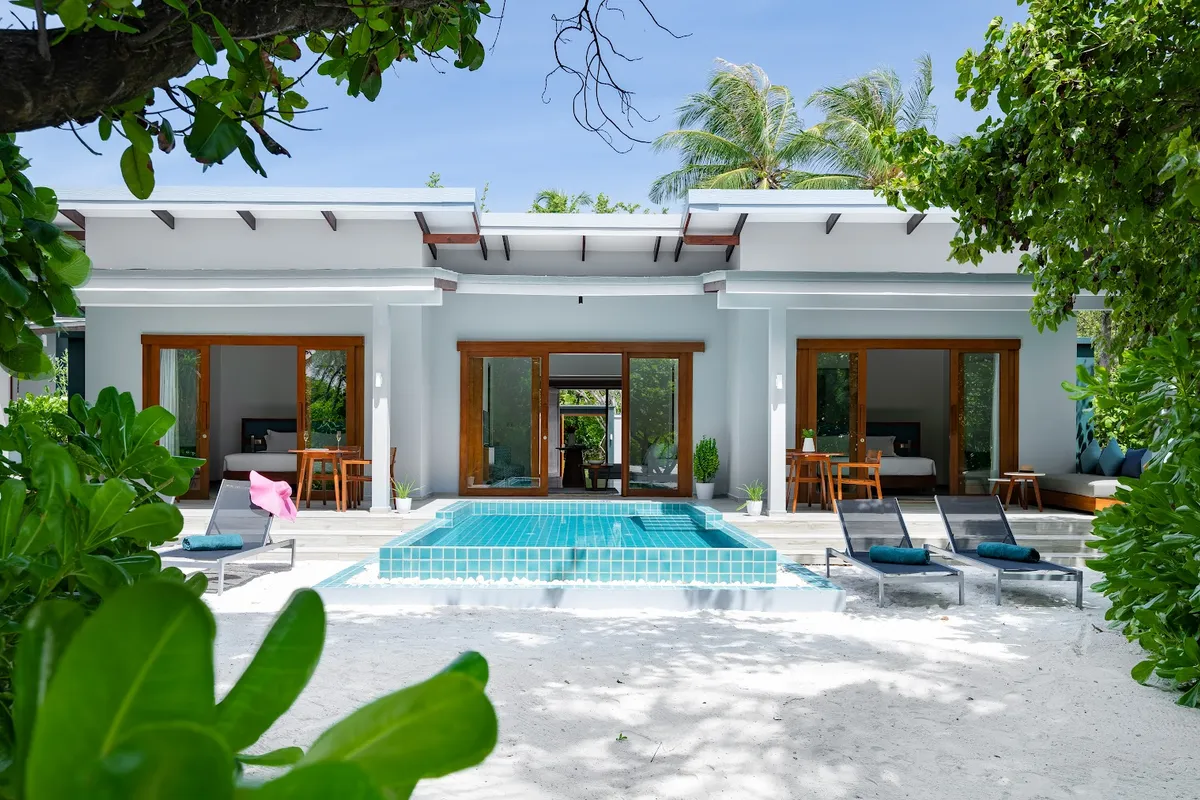
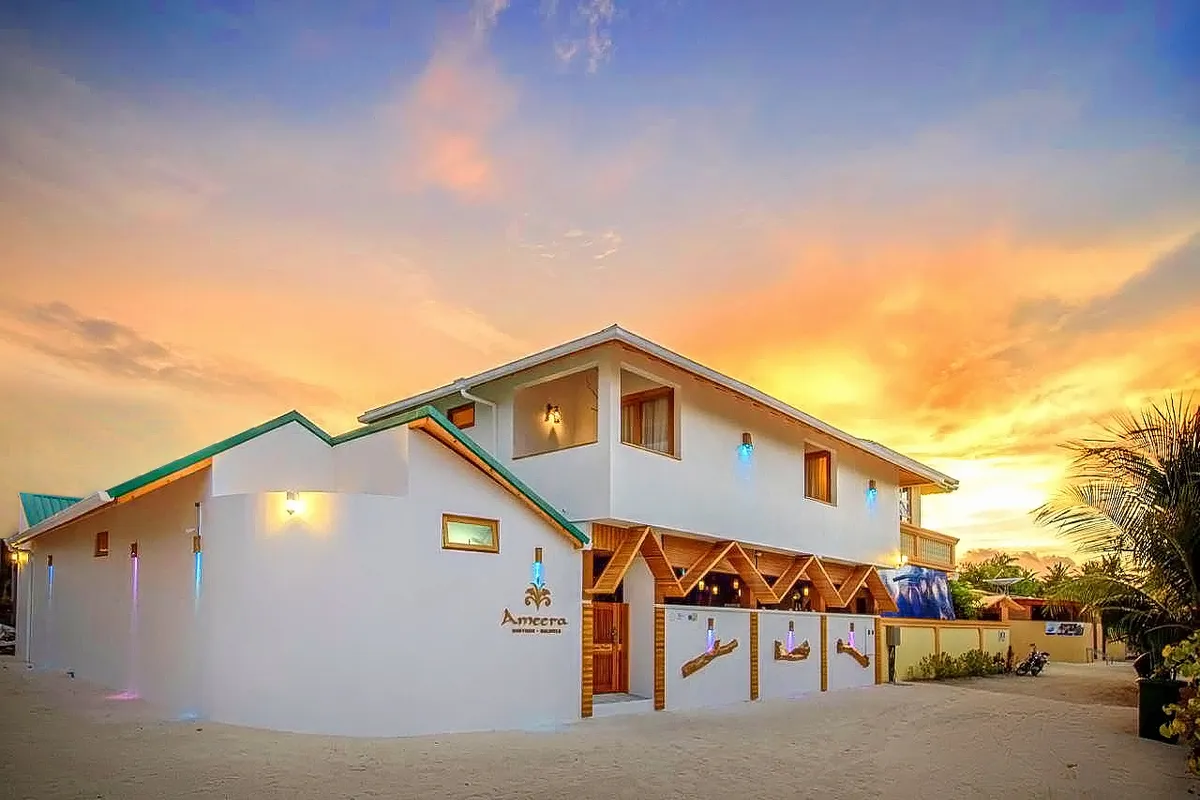
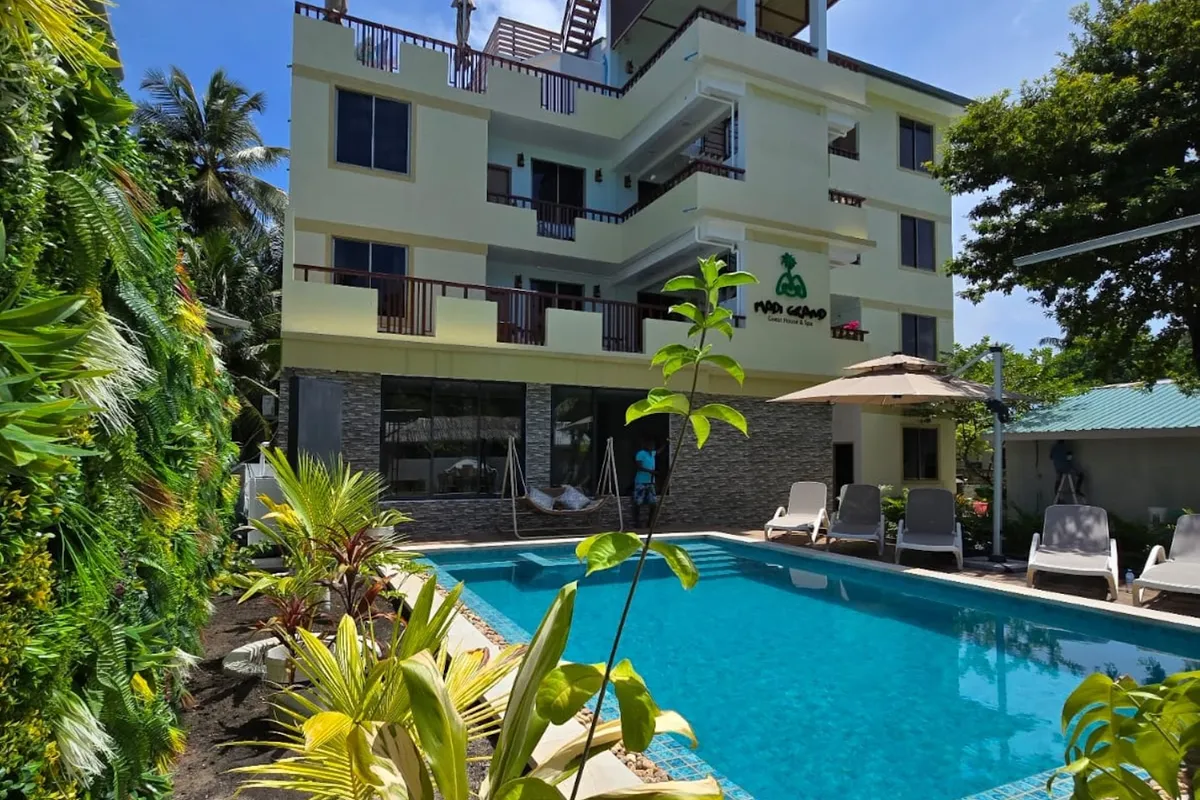
For budget travelers backpacking the Maldives, the key to affordability lies in staying on local islands rather than the luxurious private resort islands. These islands offer guesthouses and local hotels that provide comfortable stays at a fraction of the cost, allowing you to experience authentic Maldivian life.
Recommended Local Islands for Budget Travelers
- Maafushi: Often considered the pioneer of budget tourism in the Maldives, Maafushi is the most popular local island for backpackers. It boasts a wide array of guesthouses, restaurants, and tour operators, making it easy to arrange excursions like snorkeling, diving, and island hopping. It also has a designated "bikini beach" for tourists.
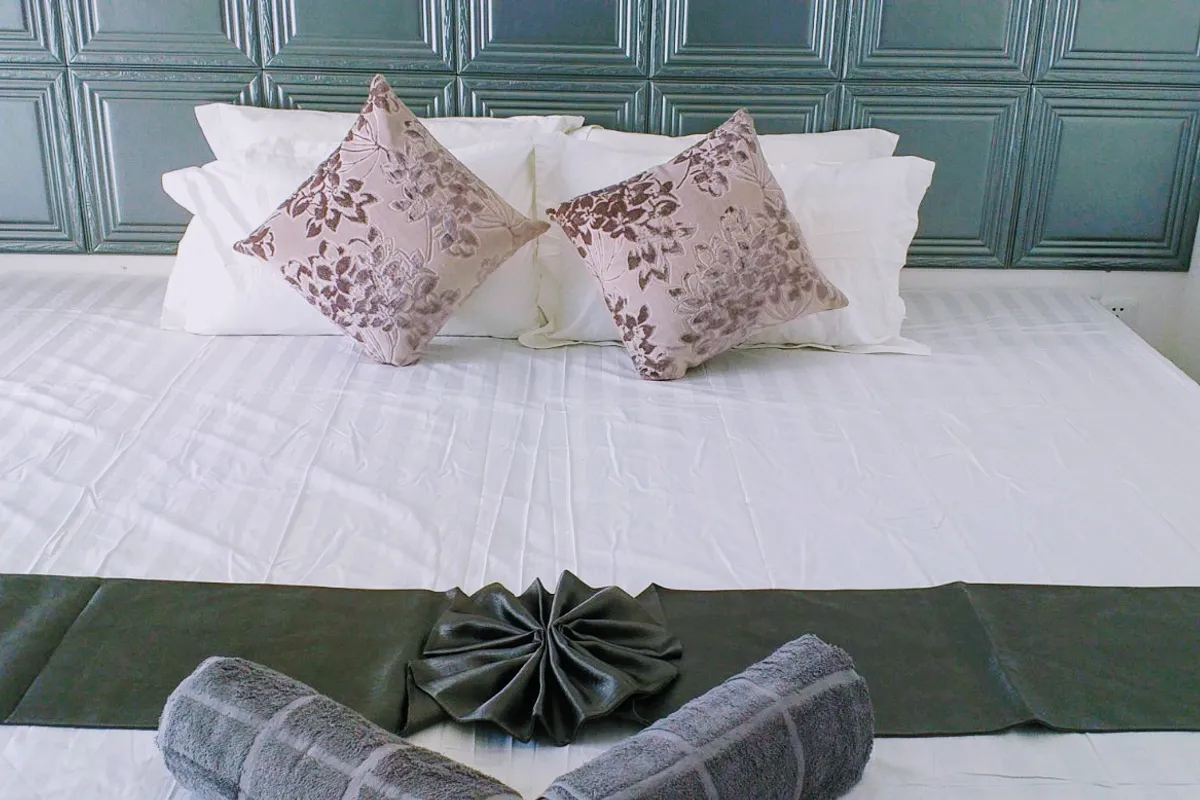
- Budget Options (Guesthouses): Expect to pay $40 - $70 per night for a clean, air-conditioned room with breakfast. Examples include Crystal Sands, Kuredhi Beach Inn, and Stingray Beach Inn.
- Mid-range Options: Slightly more amenities, often with a private balcony or better views, ranging from $70 - $120 per night. Think Kaani Grand Seaview or Arena Beach Hotel.
- Thulusdhoo: Located in the North Malé Atoll, Thulusdhoo is a fantastic choice for surfers, known for its famous 'Cokes' surf break. It offers a more laid-back vibe than Maafushi and is great for those seeking a quieter experience with good access to surfing and snorkeling.
- Budget Options (Guesthouses): Prices typically range from $35 - $60 per night. Options include Batuta Maldives Surf View, Canopus Retreat Thulusdhoo.
- Mid-range Options: $60 - $100 per night, offering enhanced comfort. Check out Season Paradise or Reef Edge Thulusdhoo.
- Dhigurah: Situated in the South Ari Atoll, Dhigurah is renowned for its incredible marine life, particularly whale sharks and manta rays, which can be spotted year-round. It also boasts one of the longest bikini beaches among local islands. It's further afield, meaning slightly higher transfer costs but a truly unique experience.
- Budget Options (Guesthouses): Generally $50 - $90 per night. Riva Lofts Maldives or Island Home Dhigurah are good choices.
- Mid-range Options: $90 - $150 per night, often with a focus on diving and whale shark tours. Bliss Dhigurah is a popular option.
Good to Know
Many guesthouses on local islands offer similar amenities to mid-range hotels, including air conditioning, private bathrooms, Wi-Fi, and often breakfast. They can also help arrange excursions at competitive local prices.
Browse Resorts and Guesthouses on Expedia→
Budget Breakdown
Here’s an estimated budget breakdown for a 7-14 day backpacking trip to the Maldives, demonstrating how to stay within the $500 - $1,500 range.
| Category | Estimated Cost (USD) |
|---|---|
| Flights (Roundtrip to MLE) | $400 - $800 (from major hubs; can vary significantly) |
| Accommodation (7-14 nights) | $250 - $980 ($35 - $70/night for guesthouses) |
| Food & Dining (7-14 days) | $105 - $280 ($5 - $10 per meal x 3 meals/day) |
| Activities & Excursions | $50 - $300 (snorkeling, diving, island hopping – depends on frequency) |
| Transfers (Inter-island ferries/speedboats) | $10 - $100 (public ferries are cheap, speedboats add cost) |
| Miscellaneous (SIM card, souvenirs, emergencies) | $50 - $100 |
| Total Estimated Budget (7-14 days) | $865 - $2,560 (Aiming for lower end with careful planning: $500 - $1,500 for a more focused 7-10 day trip) |
This breakdown shows that while flights can be a significant cost, daily expenses on local islands are remarkably affordable. By opting for guesthouses, public ferries, and local eateries, you can keep your budget well within the backpacker range. A 7-day trip focused on one or two local islands could easily fall into the $500-$1000 range, especially with cheaper flights.
Best Time to Visit
Choosing the right time to visit the Maldives can significantly impact your experience, especially for budget travelers looking to avoid peak prices while enjoying optimal weather.
Optimal Months for This Trip Type
The best time to visit the Maldives is during the dry season, which runs from November to April. During these months, you can expect plenty of sunshine, low humidity, and calm seas, making it perfect for snorkeling, diving, and island hopping.
- December to February: These are the driest months, offering the most sunshine and calmest waters. This is also peak tourist season, meaning higher prices for flights and accommodation, so book well in advance.
- March to April: Still part of the dry season, these months offer excellent weather with slightly fewer crowds than the absolute peak. Prices might be a little lower than December-February.
Weather Considerations
The Maldives experiences a tropical monsoon climate with two main seasons:
- Dry Season (November to April): Characterized by the northeast monsoon (Iruvai), bringing clear skies, minimal rain, and lower humidity. This is ideal for all outdoor and water activities.
- Wet Season (May to October): Characterized by the southwest monsoon (Hulhangu), bringing more rainfall, higher humidity, and stronger winds. While there can be prolonged periods of rain, tropical showers are often short-lived, followed by sunshine. Rougher seas can sometimes affect ferry schedules.
Peak vs Off-Season
- Peak Season (December - February): Best weather, but highest prices and biggest crowds. If you plan to travel during this time, book flights and accommodation as early as possible.
- Shoulder Season (May, November): These months can offer a good balance of decent weather and lower prices, as they transition between the dry and wet seasons. You might experience some rain, but also plenty of sunshine.
- Off-Season (June - October): Lowest prices for flights and accommodation. While there's a higher chance of rain, you can still get many sunny days. This is an excellent option for extreme budget travelers and those who don't mind a bit of rain. Marine life sightings (like manta rays and whale sharks) can still be excellent, especially in specific atolls, as plankton blooms during the wet season.
Good to Know
Even during the wet season, the Maldives rarely experiences continuous days of heavy rain. Showers are often intense but brief, leaving plenty of time to enjoy the islands.
Top Tips for Success
To truly master backpacking the Maldives on a budget, these insider tips are invaluable for saving money and enhancing your experience.
- Stay on Maafushi, Thulusdhoo, or Dhigurah: These local islands are the epicenters for budget travel in the Maldives. They offer a range of affordable guesthouses, local restaurants, and tour operators, specifically catering to backpackers and budget travelers. You'll find designated bikini beaches and plenty of activity options at local prices.
- Use public ferries ($2-5) not speedboats: This is perhaps the biggest money-saver. Public ferries are incredibly cheap, costing just a few dollars for inter-island transfers. While slower than speedboats, they offer a genuine local experience and scenic views. Speedboats, in contrast, can cost upwards of $30-$50 for the same journey. Always check schedules in advance, as they are less frequent and don't run every day or on Fridays.
- Eat at local cafes ($5-10 per meal): Skip the expensive resort restaurants. Local cafes and guesthouse restaurants on islands like Maafushi offer delicious Maldivian and international cuisine at incredibly affordable prices. Expect fresh seafood, curries, and traditional 'hedhikaa' (Maldivian snacks). A meal can easily be found for $5-$10, sometimes even less.
- Snorkel from the beach for free: Many local islands, especially those with designated bikini beaches, offer fantastic house reefs just a few steps from the shore. Bring your own snorkeling gear to save rental costs, or rent it cheaply from your guesthouse. You'll be amazed by the vibrant coral and diverse marine life you can spot for free.
- Join group excursions to share costs: Tour operators on local islands frequently organize group excursions for snorkeling trips, diving, sandbank visits, and dolphin cruises. By joining a group, you can significantly reduce the per-person cost compared to booking a private tour. Guesthouses often help facilitate these group bookings.
Pro Tip
Always carry small denominations of US dollars and Maldivian Rufiyaa for local purchases, snacks, and small tips. ATMs are available on larger local islands like Maafushi and in Malé.
What to Pack
Packing smart for your Maldives backpacking adventure means focusing on essentials, lightweight clothing, and gear that enhances your enjoyment of the islands and marine life.
Essential Items for This Trip Type
- Lightweight, Breathable Clothing: Cotton or linen shorts, t-shirts, tank tops, and light dresses are perfect for the tropical climate.
- Modest Clothing: For walking around local villages and public areas, bring some longer shorts/skirts or trousers and t-shirts/blouses to cover your shoulders and knees out of respect for local customs.
- Swimwear: Multiple swimsuits/bikinis for beach and water activities.
- Reef-Safe Sunscreen: Protect yourself and the delicate coral reefs. Look for sunscreens that are free of oxybenzone and octinoxate.
- Insect Repellent: Especially for evenings on the islands.
- Hat & Sunglasses: Essential for sun protection.
- Reusable Water Bottle: Stay hydrated and reduce plastic waste. Many guesthouses offer water refills.
- Small Backpack/Daypack: For daily excursions and carrying essentials.
- First-Aid Kit: Basic medications, band-aids, antiseptic wipes, and any personal prescriptions.
Category-Specific Gear
- Snorkeling Gear: If you plan to snorkel frequently, bringing your own mask and snorkel can save rental costs and ensure a comfortable fit. Fins can be rented if needed.
- Quick-Dry Towel: Lightweight and fast-drying, perfect for beach days.
- Water Shoes/Sandals: Protect your feet from coral fragments on the beach and in the water.
- Underwater Camera (Optional): Capture the stunning marine life. GoPros or waterproof phone cases are great options.
Electronics and Accessories
- Universal Travel Adapter: The Maldives uses Type D and Type G sockets.
- Power Bank: Keep your phone and other devices charged, especially during excursions or ferry rides.
- Phone & Charger: For navigation, communication, and photos.
- Headphones: For long journeys or relaxing on the beach.
- Small Dry Bag: To protect electronics and valuables during boat trips or unexpected rain.
Good to Know
Packing light will make inter-island transfers easier, especially on public ferries where space might be limited. Most guesthouses offer laundry services for a small fee.
Frequently Asked Questions
Is the Maldives safe for solo female travelers?
Yes, the Maldives is generally considered very safe for solo female travelers, especially on the local islands that cater to tourism. Maldivian people are known for their hospitality. However, it's always wise to exercise standard travel precautions, such as being aware of your surroundings, informing someone of your itinerary, and respecting local customs regarding dress code. Sticking to well-reviewed guesthouses and tour operators is also recommended.
Can I drink alcohol on local islands?
No, alcohol is prohibited on inhabited local islands due to the Maldives being a Muslim nation. You will not find alcohol served in guesthouses or local restaurants. If you wish to consume alcohol, you would need to visit a licensed resort island or a floating bar, which some guesthouses can arrange trips to for an additional cost.
How do I get around between islands?
The primary modes of inter-island transport for budget travelers are public ferries, which are very affordable ($2-$5) but operate on fixed, sometimes infrequent schedules. Speedboats are faster but significantly more expensive ($30-$50+). For islands further afield or those not served by public ferries, domestic flights (from $80-$150) or seaplanes (much more expensive) might be necessary. Always check ferry schedules in advance and confirm with your guesthouse.
What is the local food like, and how much does it cost?
Maldivian cuisine is delicious and influenced by Indian and Sri Lankan flavors, with a strong emphasis on fresh fish, especially tuna. Popular dishes include 'Garudhiya' (fish broth), 'Mas Huni' (shredded smoked tuna with coconut, chili, and onion, often eaten for breakfast), and various curries. Eating at local cafes and guesthouse restaurants will cost you between $5-$10 per meal, making it very budget-friendly.
Do I need a visa for the Maldives?
Most nationalities, including those from the US, UK, Canada, Australia, and most European countries, are granted a free 30-day tourist visa on arrival, provided they have a valid passport (at least 6 months validity), a confirmed onward/return ticket, and sufficient funds for their stay. It's always best to check the latest visa requirements for your specific nationality before traveling.
Is it possible to dive on a budget in the Maldives?
Yes, absolutely! While diving at resorts can be very expensive, local islands like Maafushi and Dhigurah have numerous PADI-certified dive centers that offer competitive prices for fun dives and certification courses. Expect to pay around $40-$60 per dive, depending on the package and number of dives. Group dives are common, helping keep costs down.
Book Diving Excursion in Maafushi→
What about internet and phone connectivity?
Upon arrival at Velana International Airport (MLE), you can easily purchase a local SIM card from providers like Dhiraagu or Ooredoo. These typically offer good coverage and affordable data packages, which are essential for staying connected and navigating. Most guesthouses also provide free Wi-Fi, though speeds can vary.
Are there ATMs on local islands?
ATMs are available on larger local islands such as Maafushi and Thulusdhoo, as well as in the capital city of Malé. However, it's always a good idea to carry some cash (both USD and MVR) for smaller purchases, especially on less developed islands, as some smaller shops or cafes might not accept card payments.