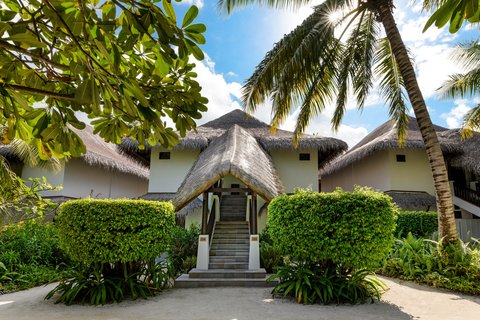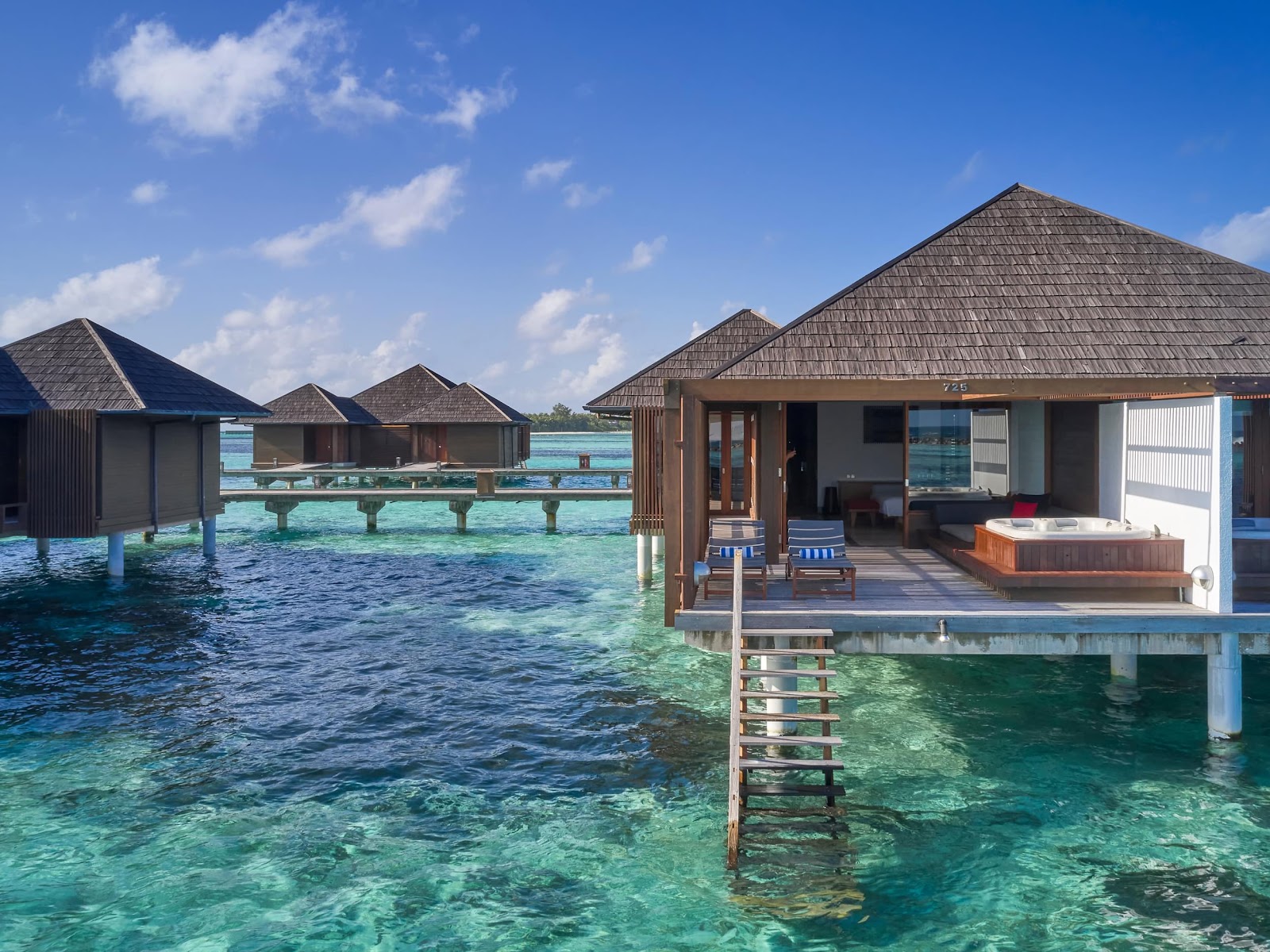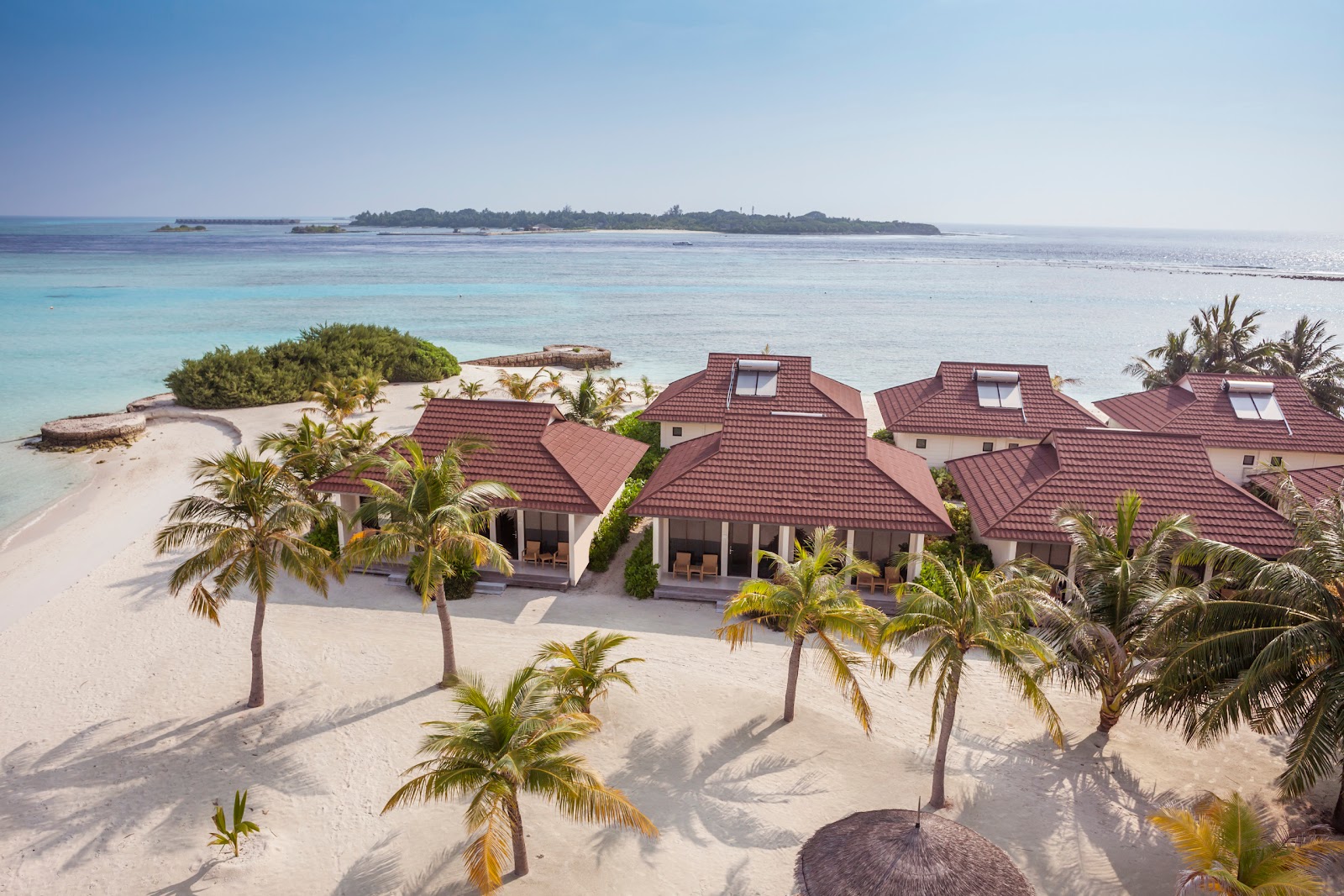
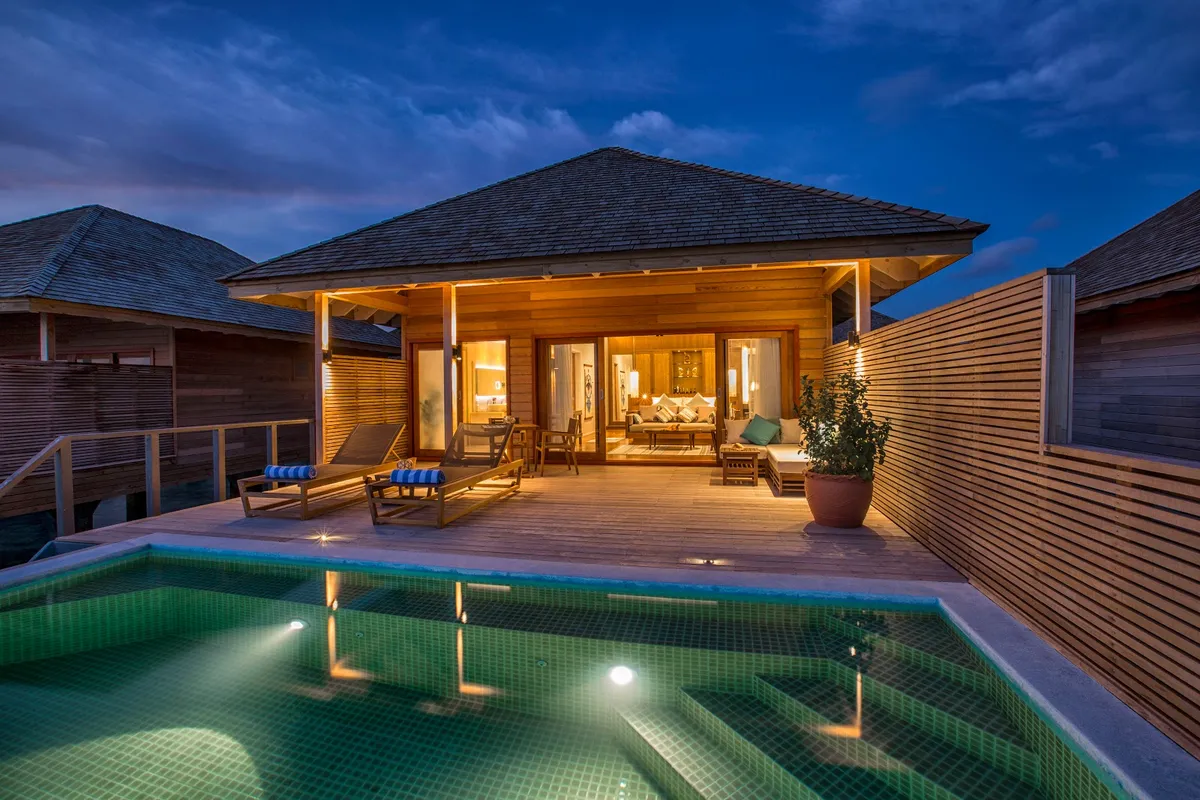
Welcome to the enchanting world of North Malé Atoll, a jewel in the crown of the Maldives, offering an unparalleled tropical escape. Known as Kaafu Atoll (North) to locals, this vibrant region is not just a destination; it's an experience that captivates every sense. As the most developed and accessible atoll, North Malé Atoll serves as the gateway to the Maldives, home to the bustling capital city of Malé and the main international airport. This prime location means less travel time and more vacation time, making it an ideal choice for first-time visitors, those on short trips, and anyone eager to dive straight into paradise.
With its crystal-clear turquoise waters, powdery white sand beaches, and an abundance of marine life, North Malé Atoll is a haven for water enthusiasts. It boasts a remarkable collection of 25 resorts, ranging from ultra-luxurious hideaways to charming mid-range options and authentic local guesthouses. Beyond the idyllic scenery, the atoll is celebrated globally for its world-class diving and exceptional surfing conditions, offering thrilling adventures beneath and atop the waves. Whether you dream of swimming alongside majestic manta rays, exploring vibrant coral reefs, or riding perfect barrels, North Malé Atoll delivers an unforgettable Maldivian adventure.
Key facts at a glance:
- Name: North Malé Atoll (Kaafu Atoll)
- Code: K
- Resort Count: 25+
- Transfer Type: Speedboat
- Transfer Time: 20-90 minutes from Velana International Airport (MLE)
- Key Features: Close to airport, most developed atoll, excellent diving, great surfing, home to Malé city and the main international airport, most accessible atoll with excellent infrastructure.
- Best For: First-time visitors, short trips, surfers, divers.
Getting to North Malé Atoll
Your journey to North Malé Atoll begins the moment you touch down at Velana International Airport (MLE) on Hulhulé Island, adjacent to the capital city of Malé. Thanks to its proximity, North Malé Atoll is primarily accessed via convenient and scenic speedboat transfers, eliminating the need for further domestic flights or seaplanes for most resorts.
Transfer Options from Malé
The standard mode of transport to resorts within North Malé Atoll is by speedboat. These transfers are typically arranged by your chosen resort, offering a seamless transition from the airport to your island paradise. You'll be met by resort staff upon arrival, who will guide you to your designated speedboat.
Journey Time
The speedboat journey times vary depending on the distance to your specific resort or local island within the atoll. Generally, transfers range from 20 to 90 minutes. Resorts closer to Malé, such as Kurumba Maldives, might be as little as a 10-20 minute ride, while those further north or east within the atoll could take closer to an hour or more.
Tips for Booking Transfers
- Book in advance: Always arrange your transfers directly with your resort or guesthouse well before your arrival. This ensures a smooth and coordinated pickup.
- Check inclusions: Some luxury resorts include transfers in their package rates, while others charge separately. Always confirm this when booking.
- Shared vs. Private: Most resorts offer shared speedboat transfers, which are more economical. Private speedboats are available for those seeking exclusivity or specific timing, albeit at a higher cost.
- Local Islands: If staying on a local island like Thulusdhoo or Himmafushi, you might have the option of public ferries, which are significantly cheaper but operate on fixed, less frequent schedules. Local guesthouses can often help arrange shared speedboats or provide ferry schedules.
Approximate Costs
Speedboat transfer costs can vary widely based on the resort's distance and whether it's a shared or private service. For shared speedboat transfers to resorts in North Malé Atoll, expect to pay anywhere from USD 30 to USD 195 per adult, per way. Children often receive a discount of around 40%. For example, a round trip to Kurumba Maldives might cost around USD 228 per person, while a transfer to Banyan Tree Vabbinfaru is approximately USD 124 per adult for a round trip.
If you opt for a private speedboat, prices can range significantly, starting from around USD 95 and going up to USD 1600 or more per boat, per way, depending on the size and luxury level of the vessel. For transfers to local islands, shared speedboats might be more affordable, typically costing between USD 20-50 per person for a 25-50 minute ride. Public ferries, when available, are the most budget-friendly option, with fares typically between USD 5-30 per person for a one-way trip, though they are much slower.
Pro Tip
When comparing resort prices, always factor in the transfer cost. A seemingly cheaper resort might have higher transfer fees, especially if it's further out or requires a seaplane (though less common in North Malé Atoll).
Where to Stay in North Malé Atoll
North Malé Atoll offers a diverse range of accommodation options, catering to every budget and travel style. From opulent private island retreats to family-friendly resorts and authentic local guesthouses, you'll find the perfect base for your Maldivian adventure.
Luxury Resorts
The atoll is renowned for its collection of world-class luxury resorts, each offering an exclusive and indulgent experience. These resorts are perfect for honeymoons, special occasions, or simply treating yourself to the ultimate escape.
- One&Only Reethi Rah: This ultra-exclusive resort is synonymous with sophisticated luxury. Set on one of the largest man-made islands in the Maldives, it boasts 12 white sand beaches, 118 expansive villas (many with private pools), and a unique layout where overwater villas are spread out in clusters of just four, ensuring unparalleled privacy. Guests can indulge in extraordinary dining experiences, a world-class spa, and a plethora of land and water activities. It's a celebrity favorite, known for its impeccable service and breathtaking aesthetics. Check Prices for One&Only Reethi Rah→
- Gili Lankanfushi: Often hailed as one of the most eco-friendly and luxurious resorts, Gili Lankanfushi embodies "barefoot luxury." All villas are built over water using sustainable materials, featuring open-plan designs and direct lagoon access. The resort is famous for its "Mr. Friday" butler service, an exceptional spa with glass floor panels to view marine life, and unique dining experiences like blindfolded dinners. The Private Reserve, reachable only by boat, is one of the largest overwater villas in the world, complete with its own gym, spa, cinema, and a slide into the sea. Check Prices for Gili Lankanfushi→
- Huvafen Fushi: Known as "Dream Island," Huvafen Fushi offers a blend of traditional Maldivian style with modern sophistication. It's home to the world's first and only underwater spa, offering unique treatments with captivating views of marine life. The resort features 46 bungalows and pavilions, each with a private plunge pool and ocean views. Guests can enjoy an underground wine cellar, private sandbank dining, and a range of water sports. Check Prices for Huvafen Fushi→
- Kurumba Maldives: As the Maldives' first-ever resort, Kurumba holds a special place in the country's tourism history. Located just a short speedboat ride from the airport, it offers a vibrant, cosmopolitan atmosphere with a wide array of dining options (eight restaurants!), excellent facilities for families, and a lively house reef perfect for snorkeling. It strikes a balance between luxury and approachability, making it a popular choice for diverse travelers. Check Prices for Kurumba Maldives→
Mid-Range Options
For travelers seeking a balance of comfort, amenities, and value, North Malé Atoll also offers several excellent mid-range resorts. These resorts often provide a fantastic experience without the ultra-luxury price tag, making them ideal for families and couples.
- Value resorts: Look for resorts that offer all-inclusive packages, which can help manage your budget effectively. Many mid-range options provide comfortable beach bungalows or overwater villas, multiple dining venues, and a good selection of water sports and excursions. They often feature kids' clubs, swimming pools, and spa services, ensuring a well-rounded holiday for everyone. While not as opulent as the top-tier resorts, they still deliver the quintessential Maldivian experience with beautiful beaches and vibrant marine life.
- Best for families/couples: Mid-range resorts often excel in catering to families, offering dedicated children's facilities and activities. Couples will appreciate the serene settings, romantic dining options, and opportunities for privacy without the exorbitant cost.
Local Island Guesthouses
For budget-conscious travelers or those looking for a more authentic Maldivian experience, staying on a local island in North Malé Atoll is an excellent choice. These islands offer a glimpse into local life and culture, with guesthouses providing comfortable and affordable accommodation.
- Budget options on Thulusdhoo, Himmafushi, Huraa, Dhiffushi: These inhabited islands are popular choices for guesthouse stays. Prices for guesthouses in North Malé Atoll can start from as low as USD 47 to USD 60 per night. They offer air-conditioned rooms, free Wi-Fi, and often include breakfast.
- What to expect: Guesthouses provide a more intimate and local experience. You'll find charming rooms, often with direct beach access or close proximity to the shore. Many guesthouses can arrange excursions like snorkeling, diving, fishing trips, and visits to sandbanks at more affordable rates than resorts. You'll also have the opportunity to interact with local communities, sample traditional Maldivian cuisine, and observe daily life. It's important to remember that local islands are predominantly Muslim, so a modest dress code applies when outside your guesthouse or designated "bikini beaches." Alcohol is generally not permitted on local islands.
Pro Tip
Staying on a local island and taking day trips to resort islands (if permitted by the resort) can be a cost-effective way to experience both the local culture and some luxury amenities.
Diving and Snorkeling in North Malé Atoll
North Malé Atoll is a diver's and snorkeler's paradise, consistently ranked among the best diving destinations in the world. Its vibrant coral reefs, dramatic thilas (underwater pinnacles), and abundant marine life create an underwater spectacle that draws enthusiasts from across the globe.
Famous Dive Sites
The atoll is home to several legendary dive sites, each offering a unique and thrilling experience:
- Banana Reef: One of the oldest and most famous dive sites in the Maldives, Banana Reef is an impressive protected marine area known for its colorful soft and hard corals, overhangs, and caves. Divers can expect to see reef sharks, groupers, snapper, and a dazzling array of reef fish.
- HP Reef (Rainbow Reef): This vibrant reef is a kaleidoscope of color, boasting a rich diversity of corals and fish. Strong currents can make it a drift dive, revealing schooling fish, eagle rays, and reef sharks.
- Manta Point (Lankan Manta Point): A world-renowned cleaning station for manta rays, this site offers incredible opportunities to witness these gentle giants up close, especially during the southwest monsoon season.
- Nassimo Thila: Known for its intricate coral formations and strong currents, Nassimo Thila is a magnet for pelagic species. Here, you might encounter reef sharks, barracuda, and large schools of fusiliers.
Marine Life Highlights
The waters of North Malé Atoll teem with an incredible variety of marine creatures. Beyond the stunning coral gardens, you can anticipate encountering:
- Manta rays: Especially at Manta Point during the peak season.
- Reef sharks: Including blacktip and whitetip reef sharks, often seen patrolling the reefs.
- Moray eels: Peeking out from crevices in the coral.
- Sea turtles: Hawksbill and green turtles are common sights.
- Napoleon wrasse: These large, distinctive fish are often spotted gracefully swimming around the reefs.
- Other marine life includes eagle rays, barracuda, tuna, trevally, and countless species of colorful reef fish.
Best Season for Diving
The Maldives generally enjoys excellent diving conditions year-round. However, for North Malé Atoll:
- Dry Season (December to April): This is considered the peak season with calm seas, excellent visibility (up to 30 meters), and less rain. It's ideal for general diving and exploring the reefs.
- Manta Ray Season (May to November): While general diving is good year-round, the best time to see manta rays in North Malé Atoll, particularly at Lankan Manta Point, is between May and November, with peak sightings from August to October during the southwest monsoon.
Certification Requirements
To scuba dive in the Maldives, you typically need to be a certified diver. The minimum certification level required is an entry-level certification from a Recreational Scuba Training Council (RSTC) associated diver-training agency (such as PADI or SSI) or a 1-star CMAS certification. Divers are usually required to present proof of their training via a diving certificate and demonstrate their experience through a logbook. If you're not certified, most resorts and local islands have PADI 5-star dive centers offering courses from beginner (Discover Scuba Diving) to advanced levels, including the PADI Open Water Diver certification, which typically takes 3-4 days to complete.
Pro Tip
Consider completing the theoretical and confined water portions of your Open Water Diver course at home (e-learning or local dive shop) and finishing your open water dives in the Maldives. This saves valuable vacation time and allows you to enjoy the stunning Maldivian waters for your certification dives.
Top Things to Do
Beyond its exceptional diving and snorkeling, North Malé Atoll offers a myriad of activities and unique experiences to enrich your Maldivian holiday.
- Surfing: North Malé Atoll is renowned as a premier surfing destination in the Maldives. The atoll boasts several world-class surf breaks, including 'Cokes,' 'Chickens,' 'Sultans,' and 'Jailbreaks,' attracting surfers of all levels. The best surf season typically runs from March to November, with consistent swells and favorable winds. Many local islands, especially Thulusdhoo and Himmafushi, cater specifically to surfers, offering surf camps and board rentals.
- Island Hopping: Explore the diverse islands of the atoll. Visit uninhabited islands for a secluded picnic, or experience the local culture on an inhabited island. Many resorts offer excursions, and local guesthouses can arrange bespoke trips.
- Sunset Dolphin Cruises: Embark on a traditional Maldivian dhoni or a luxury yacht for a magical sunset cruise, often accompanied by playful pods of dolphins leaping through the waves. This is a truly unforgettable experience.
- Watersports Galore: From exhilarating jet-skiing, parasailing, and wakeboarding to more serene activities like kayaking, stand-up paddleboarding, and glass-bottom boat tours, the options are endless. Most resorts and many guesthouses offer a full range of watersports.
- Fishing Trips: Experience traditional Maldivian fishing (handline fishing) at sunset or try your hand at big game fishing. Many excursions include barbecuing your catch on a secluded beach.
- Visit Malé City: Explore the vibrant capital, Malé, for a taste of urban Maldivian life. Visit the Grand Friday Mosque, the local market, and the Fish Market, and stroll along the waterfront. Remember to dress modestly when visiting the city.
- Sandbank Excursions: Spend a few blissful hours on a pristine, deserted sandbank in the middle of the ocean. Enjoy sunbathing, snorkeling, and a gourmet picnic in ultimate seclusion.
- Spa and Wellness: Indulge in rejuvenating treatments at world-class resort spas, many offering unique overwater or even underwater experiences, like at Huvafen Fushi.
Unique Experiences
- Underwater Dining: Some resorts offer unique underwater dining experiences, allowing you to savor exquisite cuisine while surrounded by marine life.
- Private Cinema under the Stars: Enjoy a movie night on the beach or a private villa terrace under a canopy of stars, often offered by luxury resorts.
- Coral Planting: Participate in coral propagation programs offered by environmentally conscious resorts like Gili Lankanfushi, contributing to the preservation of the delicate reef ecosystem.
Pro Tip
If you're staying on a local island, inquire about "bikini beaches." These are designated areas where tourists can wear swimwear, respecting local customs elsewhere on the island.
Local Islands and Culture
Venturing beyond the private resort islands to the local inhabited islands of North Malé Atoll offers a unique opportunity to immerse yourself in the authentic Maldivian way of life, culture, and traditions.
Island Visits: Thulusdhoo, Himmafushi, Huraa, Dhiffushi
These four islands are among the most popular local islands in North Malé Atoll for tourism, each offering its own charm:
- Thulusdhoo: Famous for its world-class surf break "Cokes," Thulusdhoo is a vibrant island popular with surfers and budget travelers. It offers a lively atmosphere, guesthouses, local cafes, and opportunities to observe local industries like tuna canning.
- Himmafushi: Another surf hub, Himmafushi is known for its "Jailbreaks" surf spot and a thriving guesthouse scene. It's a great place to experience local island life, with souvenir shops and friendly locals.
- Huraa: This picturesque island is known for its mangrove areas and proximity to several luxury resorts, making it a popular spot for day trips to experience local culture. It offers a quieter, more traditional feel.
- Dhiffushi: One of the furthest local islands in North Malé Atoll, Dhiffushi offers tranquil beaches, a peaceful atmosphere, and a growing number of guesthouses. It's ideal for those seeking relaxation and a slower pace of life.
Cultural Experiences
Engaging with the local culture is a rewarding part of visiting the Maldives:
- Local Cuisine: Sample traditional Maldivian dishes such as Garudhiya (fish broth), Mas Huni (shredded smoked tuna with coconut), Rihaakuru (fish paste), and various curries and fresh seafood. Local cafes and guesthouses on inhabited islands offer authentic culinary experiences.
- Art and Handicrafts: Discover local craftsmanship, including intricately carved wooden items, lacquer work, and traditional mats woven from local fibers. Souvenir shops on local islands are excellent places to find unique keepsakes.
- Bodu Beru: If you're lucky, you might witness a Bodu Beru performance, a traditional Maldivian drumming and dance show that is energetic and captivating. Some resorts and local islands arrange these cultural evenings.
- Explore Malé: As mentioned, a visit to the capital city provides insight into the administrative and commercial heart of the Maldives, with its vibrant markets, historic mosques, and local eateries.
Dress Code and Customs
The Maldives is a Muslim-majority country, and it's essential to respect local customs and traditions, especially when visiting inhabited islands or Malé.
- Modesty: When outside of resorts or designated "bikini beaches" on local islands, both men and women should dress modestly. For women, this means covering shoulders and knees. For men, shorts and t-shirts are generally acceptable, but avoid going shirtless in public areas.
- Alcohol: Alcohol consumption is prohibited on local islands. Resorts are permitted to serve alcohol.
- Public Displays of Affection: Public displays of affection are generally frowned upon.
- Fridays: Friday is a holy day, and many local businesses may be closed during prayer times.
Pro Tip
Always ask for permission before taking photos of locals, especially women and children, as a sign of respect.
Best Time to Visit North Malé Atoll
Understanding the weather patterns is key to planning your perfect trip to North Malé Atoll, allowing you to align your visit with your preferred activities.
Weather Patterns
The Maldives experiences two main monsoon seasons, which dictate the weather:
- Dry Season (Northeast Monsoon - December to April): This is generally considered the best time to visit, characterized by sunny skies, low humidity, and calm seas. Temperatures average a comfortable 30-32°C (86-90°F) with water temperatures around 26-29°C (79-84°F). This period offers excellent visibility for diving and snorkeling.
- Wet Season (Southwest Monsoon - May to November): This season brings higher humidity, a greater chance of rain (often short, heavy showers followed by sunshine), and choppier seas, particularly from June to August. However, even during the wet season, there are plenty of sunny periods.
Peak vs Shoulder Season
- Peak Season (December to March): This is when the weather is at its finest, leading to higher resort prices and larger crowds. If you prioritize guaranteed sunshine and calm waters, this is your ideal window.
- Shoulder Season (April, May, October, November): These months offer a good balance of weather and value. While there might be a higher chance of rain compared to peak season, you can often find better deals on accommodation, and the atolls are less crowded. April and November, in particular, can offer beautiful weather without the peak season crowds.
- Low Season (June to September): This period sees the most rainfall and can have stronger winds and currents. However, it's also when you'll find the lowest prices. Surfers often favor these months for the bigger waves.
Best Months for Specific Activities
- General Diving & Snorkeling: December to April offers the best overall conditions with excellent visibility.
- Manta Ray Sightings: For the highest chance of seeing manta rays in North Malé Atoll (especially at Manta Point), plan your visit between May and November, with peak sightings from August to October.
- Surfing: The prime surfing season in North Malé Atoll is from March to November, when the southwest monsoon brings consistent swells.
- Relaxing on the Beach: December to April guarantees the most sun-drenched days for pure relaxation.
Practical Tips
A little preparation goes a long way in ensuring a smooth and enjoyable trip to North Malé Atoll.
Money and Payments
- Currency: The local currency is the Maldivian Rufiyaa (MVR). However, US Dollars (USD) are widely accepted at resorts, guesthouses, and for most tourist services.
- Credit Cards: Major credit cards (Visa, MasterCard, American Express) are accepted at all resorts and many larger guesthouses and shops.
- ATMs: ATMs are available in Malé and on some larger local islands. It's advisable to carry some small denominations of USD for purchases on local islands or for tipping.
- Tipping: Tipping is appreciated for good service. Many resorts add a service charge, but a small additional tip for exceptional service is customary.
What to Pack
- Lightweight Clothing: Pack light, breathable clothing suitable for a tropical climate. Cotton and linen are ideal.
- Swimwear: Plenty of swimwear for endless dips in the ocean and resort pools.
- Reef-Safe Sunscreen: Protect yourself and the delicate marine ecosystem.
- Hat and Sunglasses: Essential for sun protection.
- Insect Repellent: Especially important for evenings on local islands or in lush resort areas.
- Water Shoes/Reef Walkers: Useful for navigating rocky areas or protecting your feet from coral.
- Basic First-Aid Kit: For minor cuts, scrapes, or stomach upsets.
- Underwater Camera: To capture the incredible marine life.
- Modest Attire: If planning to visit local islands or Malé, pack clothing that covers shoulders and knees.
- Medication: Bring any prescription medication you need, along with a copy of your prescription.
Health and Safety
- Water Safety: Always swim in designated areas, pay attention to warning signs or flags, and be aware of strong currents. Always take local advice before entering the sea.
- Sun Protection: The Maldivian sun is intense. Use high-SPF reef-safe sunscreen, wear a hat, and stay hydrated.
- Drinking Water: Drink bottled or filtered water, especially on local islands. Avoid tap water.
- Medical Facilities: Medical services are limited, especially on smaller islands. Major resorts often have a doctor on call. In case of serious illness or injury, evacuation may be necessary, which can be expensive, so comprehensive travel insurance is highly recommended.
- Respect Local Laws: The Maldives has strict laws regarding drugs, and public displays of affection are frowned upon. Always be mindful of local norms.
Communication
- Wi-Fi: Most resorts offer free Wi-Fi, though quality can vary. Guesthouses also typically provide Wi-Fi.
- Local SIM Card: Consider purchasing a local SIM card upon arrival at Velana International Airport for reliable and affordable data. Providers like Dhiraagu and Ooredoo offer tourist plans. Basic SIM kits with data start from around USD 10-15, with data plans ranging from USD 40 for 20GB to USD 50 for 30GB+ for 30 days.
- eSIMs: eSIMs are also a convenient option for travelers, with plans starting from around USD 44 for 20GB.
Frequently Asked Questions
What is North Malé Atoll famous for?
North Malé Atoll is famous for being the most accessible atoll in the Maldives, home to the capital Malé and the international airport. It's renowned for its excellent diving, world-class surfing breaks, luxurious resorts, and vibrant marine life, including abundant manta rays and reef sharks.
How do I get from Malé Airport to my resort in North Malé Atoll?
Most resorts in North Malé Atoll arrange speedboat transfers directly from Velana International Airport (MLE). The journey typically takes between 20 to 90 minutes. It's essential to pre-arrange your transfer with your chosen accommodation.
Is North Malé Atoll good for first-time visitors to the Maldives?
Yes, North Malé Atoll is an excellent choice for first-time visitors due to its close proximity to the international airport, diverse range of accommodations, and wide array of activities, from easy snorkeling to advanced diving and surfing.
Can I visit local islands if I'm staying at a resort?
Many resorts offer excursions to nearby local islands, allowing guests to experience Maldivian culture. If planning an independent visit, be sure to respect local customs and dress codes.
When is the best time to see manta rays in North Malé Atoll?
The best time to see manta rays in North Malé Atoll, especially at famous sites like Manta Point, is during the southwest monsoon season, from May to November, with peak sightings typically occurring between August and October.
What are the diving certification requirements in the Maldives?
To scuba dive, you generally need an entry-level certification from a recognized agency like PADI or CMAS. You'll need to show your diving certificate and logbook. Most resorts offer courses if you're not yet certified.
Are there budget-friendly accommodation options in North Malé Atoll?
Yes, alongside luxury resorts, North Malé Atoll offers numerous guesthouses on local islands such as Thulusdhoo, Himmafushi, Huraa, and Dhiffushi, providing affordable stays starting from around USD 47-60 per night.
What should I wear when visiting local islands or Malé?
When visiting inhabited local islands or the capital city of Malé, it's respectful to dress modestly, covering your shoulders and knees. Swimwear is generally only acceptable on designated "bikini beaches" or within resort premises.
Is it safe to drink tap water in North Malé Atoll?
No, it is generally not safe to drink tap water in the Maldives. Always opt for bottled water or filtered water, especially on smaller islands.
Can I use USD in North Malé Atoll?
Yes, US Dollars (USD) are widely accepted throughout resorts and for most tourist services in the Maldives. The local currency is Maldivian Rufiyaa (MVR).
Ready to Book Atoll?
Compare prices across top booking platforms and find the best deal for your stay.
Not sure? Compare similar resorts: Kurumba Maldives • Bandos Maldives