Laamu Atoll, a pristine gem nestled in the southern reaches of the Maldives, offers an unparalleled escape for discerning travelers seeking both adventure and tranquility. Renowned for its untouched natural beauty, vibrant marine life, and a unique blend of cultural heritage, Laamu provides a captivating alternative to the more bustling Maldivian atolls. This comprehensive guide will navigate you through everything Laamu Atoll has to offer, from world-class surfing to ancient archaeological sites, ensuring your trip is as enriching as it is relaxing.
Why do travelers choose this extraordinary atoll? Laamu's allure lies in its ability to cater to diverse interests. Surfers flock here for its legendary breaks, while history buffs are drawn to its ancient ruins. Exclusive travelers appreciate the serene, less-crowded environment and the luxurious resorts that blend seamlessly with nature. Beyond the stunning overwater bungalows and pristine beaches, Laamu Atoll promises a deeper connection with the Maldives' rich culture and breathtaking underwater world.
Key Facts at a Glance
- Name: Laamu Atoll
- Code: L
- Admin Name: Laamu Atoll
- Resort Count: 4
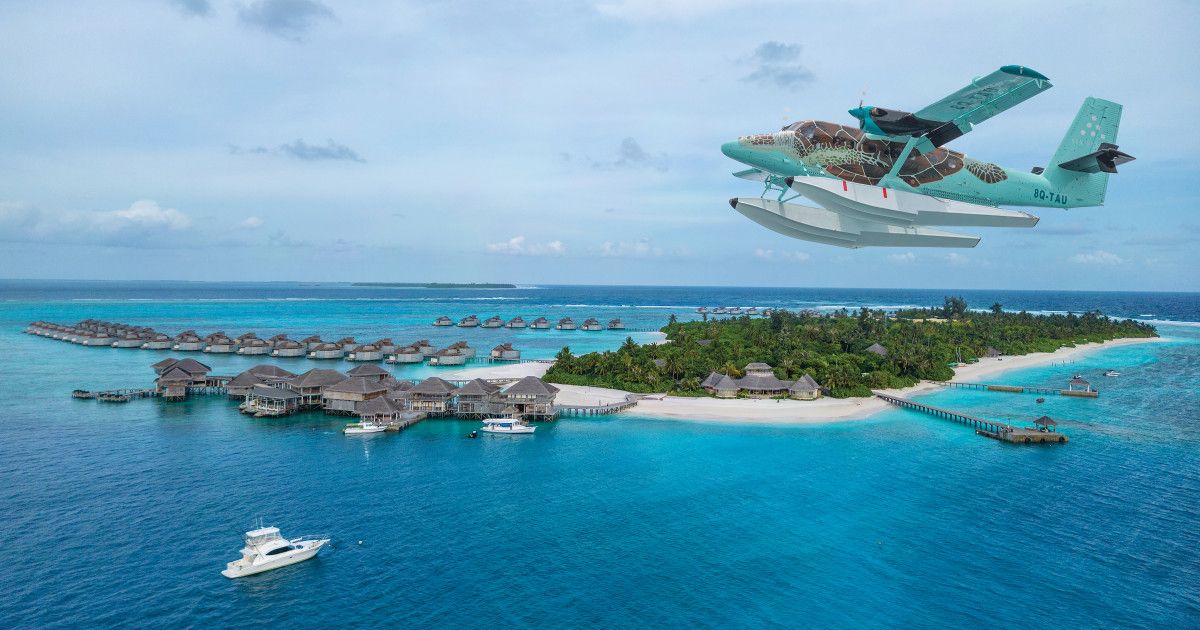
- Transfer Type: Domestic flight + speedboat
- Transfer Time: Approximately 35 min flight + 15 min speedboat
- Key Features: World-class surfing, archaeological sites, manta rays
- Famous Dive Sites: Hithadhoo Beyru, Six Senses Reef, Fonadhoo Thila
- Marine Life: Manta rays, Mobula rays, Nurse sharks, Dolphins
- Best For: Surfers, History buffs, Exclusive travelers
- Top Resorts: Six Senses Laamu, Rahaa Resort
- Local Islands: Gan, Fonadhoo, Maamendhoo, Hithadhoo
- Unique Features: Features the famous Yin Yang surf break and ancient Buddhist ruins on Isdhoo.
Getting to Laamu Atoll
Reaching the idyllic shores of Laamu Atoll is an adventure in itself, combining domestic air travel with a scenic speedboat journey. Your Maldivian escapade typically begins at Velana International Airport (MLE) in Malé.
Transfer Options from Malé
The primary mode of transfer to Laamu Atoll involves a domestic flight followed by a speedboat. From Malé's Velana International Airport (MLE), you'll take a domestic flight to Kadhdhoo Airport (KDO) in Laamu Atoll. Maldivian, the national airline, operates these flights twice daily.
Journey Time
The domestic flight from Malé to Kadhdhoo Airport typically takes around 35 minutes. Once you arrive at Kadhdhoo, a short and exhilarating speedboat transfer of approximately 15 minutes will whisk you away to your chosen resort or local island guesthouse. The total transfer time, including potential waiting periods for connecting flights and speedboats, is generally around 2 hours and 3 minutes.
Tips for Booking Transfers
- Book in Advance: It is highly recommended to book your domestic flight and speedboat transfers well in advance, especially during peak season. Your chosen resort will typically arrange these transfers for you, coordinating with your international flight arrival and departure times.
- Resort Coordination: Most resorts in the Maldives will assist you in booking these transfers, and for some, the cost might even be included in your package.
- Arrival Information: Ensure your resort has your international flight details to arrange a seamless transfer process upon your arrival at Velana International Airport.
Approximate Costs
Domestic flights from Malé to Kadhdhoo Airport can range from approximately $170 to $260 for a one-way ticket. Round-trip domestic air transfers can be in the range of $150 to $540 per adult. Speedboat transfers from Kadhdhoo Airport to your specific island are often arranged by your resort and may be included in your package. If not, shared speedboat transfers can range from $30 to $195 per adult per way, depending on the distance. Private speedboat transfers can be significantly more expensive.
Pro Tip
While domestic flights are the standard for Laamu, always confirm transfer details with your resort directly. They will have the most up-to-date information and can often secure better rates or inclusive packages for your journey.
Where to Stay in Laamu Atoll
Laamu Atoll caters to a variety of travel styles and budgets, offering everything from ultra-luxury resorts to charming local island guesthouses. Your choice of accommodation will significantly shape your Maldivian experience.
Luxury Resorts
For those seeking an indulgent escape, Laamu Atoll boasts a selection of exquisite luxury resorts that promise unparalleled service, stunning natural surroundings, and world-class amenities.
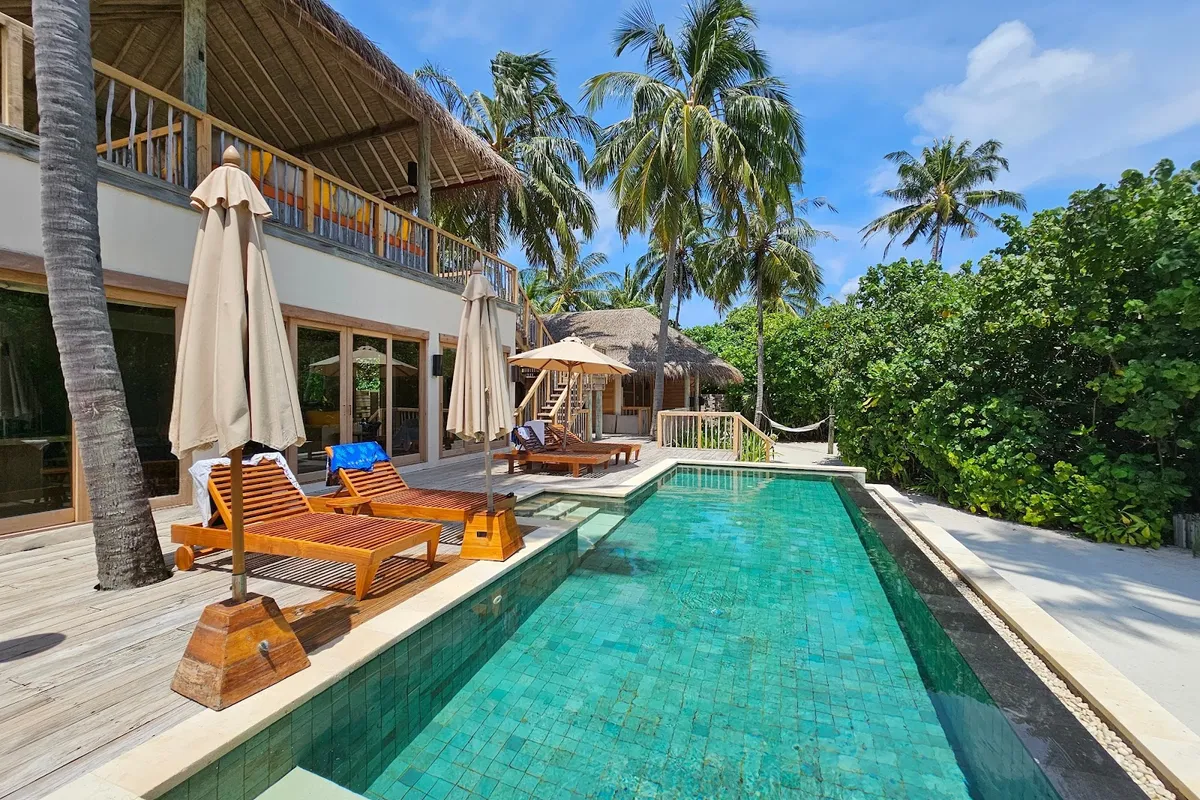
- Six Senses Laamu: This eco-friendly luxury resort is consistently ranked among the best in the Maldives. Surrounded by crystal-clear turquoise waters and pristine white sandy beaches, Six Senses Laamu offers spacious overwater and beachfront villas, each equipped with modern amenities like a 37-inch flat-screen TV and Bose entertainment system. What makes it special is its commitment to sustainability, exceptional dining experiences, and direct access to incredible surf breaks and abundant marine life. Guests consistently praise its brilliant staff, excellent food, and accommodation. Check Prices for Six Senses Laamu→
- Rahaa Resort: Another excellent option for luxury travelers, Rahaa Resort offers a blend of contemporary design and Maldivian charm. While specific details on its unique offerings require direct inquiry, luxury resorts in the Maldives typically feature private villas, exquisite dining, spa services, and a range of water sports. Check Prices for Rahaa Resort→
Mid-Range Options
While Laamu Atoll is largely known for its high-end resorts, there are some emerging mid-range options that provide excellent value without compromising on comfort and Maldivian charm. These resorts are often ideal for families or couples looking for a balance between luxury and affordability.
- Value Resorts: These typically offer comfortable rooms, good dining facilities, and a range of activities like snorkeling, diving, and excursions. While they might not have the extensive private amenities of ultra-luxury properties, they provide a fantastic base to explore the atoll's natural beauty. On average, 3-star hotels in Laamu Atoll cost around $73 per night, and 4-star hotels are about $93 per night.
- Best for Families/Couples: Mid-range resorts often feature family-friendly amenities such as kids' clubs, larger rooms, and activities suitable for all ages. Couples will appreciate the romantic settings, sunset cruises, and opportunities for intimate dining experiences, often at a more accessible price point than the top-tier resorts.
Local Island Guesthouses
For budget-conscious travelers or those seeking an authentic cultural experience, staying on one of Laamu Atoll's local islands is a fantastic choice. Islands like Gan, Fonadhoo, Maamendhoo, and Hithadhoo offer a glimpse into local Maldivian life.
- Budget Options: Guesthouses on local islands provide a more affordable alternative to resorts, with prices for guesthouses in Laamu Atoll starting from around $73 per night. These accommodations are typically smaller, family-run establishments offering comfortable rooms, local cuisine, and a chance to interact with the local community.
- What to Expect:
- Authentic Experience: You'll be immersed in the local culture, observing daily life, and enjoying traditional Maldivian hospitality.
- Local Cuisine: Savor authentic Maldivian dishes at guesthouse restaurants or local cafes, often at much lower prices than resorts.
- Activities: Guesthouses can arrange snorkeling trips, fishing excursions, and visits to nearby sandbanks or uninhabited islands.
- Modest Dress: Remember that local islands adhere to conservative dress codes. While swimwear is acceptable on designated bikini beaches, modesty should be observed in public areas.
Pro Tip
When staying on a local island, cash (USD or Maldivian Rufiyaa) is generally preferred for payments at guesthouses and local shops, although some may accept cards.
Diving and Snorkeling in Laamu Atoll
Laamu Atoll is a diver's and snorkeler's paradise, boasting a thriving underwater world teeming with diverse marine life and spectacular coral formations. Its relatively untouched channels and reefs offer incredible encounters for all skill levels.
Famous Dive Sites
- Hithadhoo Beyru: Known for its vibrant coral gardens and a high chance of spotting reef sharks and various schooling fish.
- Six Senses Reef: Often praised for its healthy corals and diverse ecosystem, reflecting the resort's commitment to marine conservation. You can expect to see a rich variety of reef fish and potentially larger pelagic species passing by.
- Fonadhoo Thila: Thilas (underwater pinnacles) are characteristic Maldivian dive sites, attracting a wealth of marine life due to strong currents that bring nutrients. Fonadhoo Thila is likely to offer thrilling drift dives and encounters with pelagic species.
Marine Life Highlights
The waters of Laamu Atoll are a hotspot for magnificent marine creatures. Divers and snorkelers can expect regular sightings of:
- Manta Rays: Laamu is famous for its manta ray encounters, which can be seen year-round.
- Mobula Rays: Often mistaken for smaller mantas, mobula rays are equally graceful and frequently spotted in these waters.
- Nurse Sharks: These docile sharks are commonly found resting on the seabed or in caves, offering excellent photo opportunities.
- Dolphins: Pods of dolphins are a common sight, often playing in the wakes of boats or hunting in the open ocean.
- Other Species: Expect to encounter healthy reefs teeming with reef sharks, marine turtles, eagle rays, and schooling reef fish.
Best Season for Diving
Diving in Laamu Atoll is excellent year-round, with water temperatures consistently between 27°C and 30°C. However, specific seasons offer different advantages:
- Dry Season (December to April): This period, also known as the northeast monsoon, offers the clearest visibility (often exceeding 30 meters) and calmest sea conditions, making it ideal for beginners and underwater photographers.
- Wet Season (May to November): The southwest monsoon brings increased plankton to the water, which can slightly reduce visibility. However, this plankton attracts larger pelagic species, making it an excellent time for encounters with manta rays and whale sharks.
Certification Requirements
To scuba dive in the Maldives, you'll generally need to be a certified diver. The most common certifications are PADI (Professional Association of Diving Instructors) and SSI (Scuba Schools International).
- Open Water Diver: This entry-level certification allows you to dive independently with a buddy to a maximum depth of 18 meters (60 feet). Courses typically take 3 to 5 days and involve academic study, confined water training, and open water dives.
- Advanced Open Water Diver: For those seeking to explore deeper or more challenging sites, an Advanced Open Water certification is recommended. This usually involves completing five specialty dives and logging at least 24 dives.
- Basic Diver/Discover Scuba Diving: If you're not certified, most dive centers offer introductory programs like SSI Basic Diver, allowing you to experience diving up to 12 meters deep under the direct supervision of an instructor.
Pro Tip
Many resorts in Laamu Atoll have their own dive centers, offering courses and guided excursions. Consider getting your SSI digital learning done before your trip to save time and maximize your diving in paradise.
Top Things to Do
Laamu Atoll offers a captivating blend of relaxation and adventure, with activities catering to every interest. Beyond diving and snorkeling, here’s a look at the top things to do.
Key Activities
- Surfing World-Class Breaks: Laamu Atoll is a renowned surf destination, particularly famous for the Yin Yang surf break. This powerful right-hander is a favorite among experienced surfers. Several other breaks cater to different skill levels, making it a fantastic spot for both seasoned pros and those looking to learn.
- Snorkeling Pristine Reefs: Even if you're not a diver, the shallow reefs around Laamu are incredible for snorkeling. Many resorts have vibrant house reefs easily accessible from the beach or overwater villas.
- Dolphin Cruises: Witnessing pods of dolphins frolicking in the Maldivian waters is a magical experience. Sunset dolphin cruises are particularly popular.
- Sunset Fishing: Experience traditional Maldivian fishing techniques as you try your hand at catching dinner under the spectacular sunset skies.
- Kayaking and Paddleboarding: Explore the calm, turquoise lagoons at your own pace, offering a serene way to take in the breathtaking scenery.
Unique Experiences
- Explore Ancient Buddhist Ruins on Isdhoo: Delve into the rich history of the Maldives by visiting the ancient Buddhist ruins on Isdhoo. Long before Islam arrived, the Maldives was a Buddhist kingdom, and these archaeological sites offer a fascinating glimpse into the island nation's past.
- Visit a Local Island: Immerse yourself in the authentic Maldivian way of life by taking an excursion to one of the inhabited islands such as Gan, Fonadhoo, Maamendhoo, or Hithadhoo. This offers a stark contrast to the resort experience and a chance to interact with locals.
- Stargazing: Far from light pollution, Laamu Atoll offers incredible opportunities for stargazing. Many resorts even offer dedicated experiences with telescopes.
- Private Beach Picnics/Dinners: Indulge in a romantic picnic on a secluded sandbank or a private dinner on the beach, tailored to your preferences.
Excursions and Day Trips
- Sandbank Escapes: Spend a day on a deserted sandbank, surrounded by nothing but crystal-clear waters and endless blue skies. Enjoy sunbathing, snorkeling, and a gourmet picnic.
- Island Hopping: Some resorts or local guesthouses can arrange trips to explore a few different local islands, giving you a broader perspective of Maldivian culture and daily life.
- Water Sports: Beyond snorkeling and diving, many resorts offer a range of water sports, including jet-skiing, windsurfing, kitesurfing, and parasailing.
Local Islands and Culture
Venturing beyond the luxurious resorts to Laamu Atoll's local islands offers a profound and enriching cultural experience, allowing you to connect with the heart and soul of the Maldives.
Island Visits: Gan, Fonadhoo, Maamendhoo, Hithadhoo
Laamu Atoll is home to several inhabited islands, each offering a unique glimpse into Maldivian life:
- Gan: The longest island in the Maldives, Gan is historically significant and features ancient Buddhist ruins. It’s a hub of local activity and offers a more developed infrastructure compared to smaller islands. Exploring Gan by bicycle is a popular way to see its length and witness local life.
- Fonadhoo: Known for its tranquil atmosphere and traditional way of life.
- Maamendhoo: A residential island where you can observe local customs and interact with friendly residents.
- Hithadhoo: Another charming local island, ideal for experiencing genuine Maldivian hospitality.
Cultural Experiences
Engaging with the local culture is a highlight of visiting Laamu's inhabited islands:
- Traditional Crafts: Observe local artisans at work, creating intricate Maldivian handicrafts, often made from coconut husks or coral.
- Local Cuisine: Sample authentic Maldivian dishes at local cafes and restaurants. Don't miss out on fresh seafood, curries, and traditional snacks.
- Mosque Visits: Respectfully visit local mosques, which are central to Maldivian community life. Remember to dress modestly, covering shoulders and knees, and women should cover their heads.
- Interact with Locals: Maldivians are generally warm and welcoming. A simple "Assalaamu Alaikum" (Hello) and "Shukuriyyaa" (Thank you) can go a long way in fostering positive interactions.
Dress Code and Customs
The Maldives is a Muslim country, and it's essential to respect local customs and dress codes, especially when visiting inhabited islands.
- Modesty is Key: For women, this means covering shoulders and knees. Opt for loose-fitting clothes, maxi dresses, or skirts that cover the ankles. Avoid sheer fabrics and keep a light scarf handy for extra coverage.
- Men's Attire: Men should wear t-shirts or collared shirts (no sleeveless tops) and knee-length shorts or long trousers.
- Bikini Beaches: While resorts offer complete clothing freedom, local islands often have designated "bikini beaches" where tourists can wear Western-style swimwear. Ensure you cover up when walking to and from these areas.
- Public Behavior: Public displays of affection, consumption of alcohol outside resorts, and nudity are strictly prohibited.
Pro Tip
Before visiting a local island, it's a good idea to check with your guesthouse or resort for specific dress code recommendations and any local events or customs you should be aware of.
Best Time to Visit Laamu Atoll
Understanding the Maldives' distinct weather patterns is crucial for planning your perfect trip to Laamu Atoll, ensuring you hit the sweet spot for your preferred activities.
Weather Patterns
The Maldives experiences a tropical climate with two main monsoon seasons, but temperatures remain consistently warm year-round, typically ranging from 25°C to 32°C. The water temperature also remains warm, between 27°C and 30°C.
- Northeast Monsoon (Dry Season): December to April
- Characteristics: This is generally considered the best time to visit, offering clear skies, abundant sunshine, low humidity, and calm seas.
- Visibility: Excellent underwater visibility, often exceeding 30 meters, making it superb for diving and snorkeling.
- Crowds & Prices: This is peak tourist season, so expect higher prices and more crowds.
- Southwest Monsoon (Wet Season): May to November
- Characteristics: This season brings higher humidity, stronger winds, and a greater chance of rainfall, often in short, heavy downpours. However, prolonged periods of rain are rare, and sunshine is still plentiful.
- Visibility: Underwater visibility can be slightly reduced due to increased plankton in the water.
- Marine Life: The plankton blooms during this season attract large pelagic species, making it the best time for manta ray and whale shark sightings, particularly between August and November.
- Crowds & Prices: Generally fewer crowds and potentially better value on accommodations and flights.
Peak vs. Shoulder Season
- Peak Season (December to April): Ideal for those prioritizing calm weather, maximum sunshine, and exceptional visibility for underwater activities. Book well in advance.
- Shoulder Season (May, November): These months offer a good balance. May marks the beginning of the wet season but can still have many sunny days, while November is a transitional month with improving weather as the dry season approaches. You might find better deals and fewer crowds.
Best Months for Specific Activities
- Diving and Snorkeling for Visibility: January to April offers the best visibility.
- Diving for Manta Rays and Whale Sharks: May to November, with peak sightings often from August to November due to plankton blooms.
- Surfing: The surfing season generally runs from March to October, with the wet season months often providing the best swells.
- General Beach Holiday: December to April for consistently sunny and dry weather.
Practical Tips
To ensure a smooth and enjoyable trip to Laamu Atoll, here are some essential practical tips to keep in mind.
Money and Payments
- Currency: The official currency is the Maldivian Rufiyaa (MVR), but the US Dollar (USD) is widely accepted, especially in tourist areas and resorts.
- Credit Cards: Major credit cards (Visa, Mastercard, Amex) are accepted at most resorts, hotels, and dive centers.
- Cash: It's advisable to carry some USD in small denominations for tips, local purchases on inhabited islands, and smaller guesthouses. ATMs are primarily found in Malé and on larger local islands, but can be scarce on smaller ones.
- Tipping: Tipping is appreciated for good service; USD is generally preferred.
What to Pack
- Lightweight Clothing: Pack light, breathable clothing suitable for a tropical climate. Cotton and linen are ideal.
- Modest Attire: Essential for visiting local islands. Women should pack maxi dresses, long skirts, and tops that cover shoulders and knees. Men should bring t-shirts and knee-length shorts or light trousers.
- Swimwear: For resorts and designated bikini beaches on local islands. A rash guard is also recommended for sun protection during water activities.
- Sun Protection: High-SPF sunscreen (reef-safe if possible), a wide-brimmed hat, and sunglasses are crucial.
- Insect Repellent: Tropical strength repellent is advised, especially during evenings and the wet season.
- First-Aid Kit: Include basic medications, antiseptic wipes, and any personal prescriptions.
- Underwater Camera: To capture the stunning marine life.
- Reusable Water Bottle: To stay hydrated and reduce plastic waste.
Health and Safety
- Drinking Water: Drink bottled or filtered water. Avoid tap water, especially on smaller islands.
- Sunburn and Dehydration: Protect yourself from the strong Maldivian sun. Stay hydrated by drinking plenty of water.
- Marine Life: While most marine life is harmless, avoid touching corals or marine animals. Be mindful of strong currents when swimming or diving.
- Medical Facilities: Medical services are limited, especially on remote islands. Serious illnesses or injuries may require evacuation, which can be expensive. Travel insurance with medical evacuation coverage is highly recommended.
- Local Laws: The Maldives is an Islamic nation. Respect local laws and customs, particularly regarding alcohol consumption (only permitted in resorts), public behavior, and drug offenses, which carry severe penalties.
- Terrorism Threat: Exercise a high degree of caution due to the risk of civil unrest and the threat of terrorism. Be aware of your surroundings and avoid demonstrations.
Communication
- Mobile Networks: Dhiraagu and Ooredoo are the two main mobile operators, offering good coverage across most islands.
- SIM Cards: You can purchase a local SIM card for approximately US$10 at Velana International Airport (MLE) upon arrival.
- Wi-Fi: Resorts universally offer Wi-Fi, often included in your stay. Guesthouses on local islands also typically provide internet access.
- Apps: Communication apps like WhatsApp, Skype, and Viber are cost-effective for international calls.
Frequently Asked Questions
What is Laamu Atoll famous for?
Laamu Atoll is famous for its world-class surfing, particularly the Yin Yang surf break, its rich archaeological sites including ancient Buddhist ruins on Isdhoo, and abundant marine life such as manta rays and dolphins.
How do I get to Laamu Atoll from Malé?
To reach Laamu Atoll, you take a domestic flight from Velana International Airport (MLE) in Malé to Kadhdhoo Airport (KDO), which typically takes about 35 minutes. From Kadhdhoo, a speedboat transfer of around 15 minutes will take you to your final destination.
What are the top resorts in Laamu Atoll?
The top luxury resorts in Laamu Atoll include Six Senses Laamu, known for its sustainable luxury and stunning villas, and Rahaa Resort, offering a blend of modern design and Maldivian charm.
Is Laamu Atoll good for diving?
Yes, Laamu Atoll is excellent for diving, offering healthy reefs and diverse marine life including manta rays, mobula rays, nurse sharks, and dolphins. Famous dive sites include Hithadhoo Beyru, Six Senses Reef, and Fonadhoo Thila.
When is the best time to see manta rays in Laamu Atoll?
Manta rays can be seen year-round in Laamu Atoll, but the wet season (May to November) often offers more frequent sightings due to increased plankton in the water, which attracts these magnificent creatures.
What should I wear when visiting local islands in Laamu Atoll?
When visiting local islands, it is essential to dress modestly out of respect for the local Muslim culture. Women should cover their shoulders and knees, opting for loose-fitting clothing, while men should wear t-shirts and knee-length shorts or trousers.
Can I use US Dollars in Laamu Atoll?
Yes, US Dollars are widely accepted in resorts and tourist establishments throughout Laamu Atoll. However, it's advisable to carry some Maldivian Rufiyaa or smaller USD denominations for local purchases on inhabited islands.
Are there any archaeological sites in Laamu Atoll?
Yes, Laamu Atoll features significant archaeological sites, most notably ancient Buddhist ruins found on Isdhoo, offering a unique historical dimension to your visit.
What unique surf break is found in Laamu Atoll?
Laamu Atoll is home to the famous Yin Yang surf break, a powerful right-hander that attracts surfers from around the world. It's considered one of the best surf spots in the Maldives.
Is Laamu Atoll suitable for budget travelers?
While Laamu Atoll has luxury resorts, budget travelers can find affordable accommodation in guesthouses on local islands like Gan, Fonadhoo, Maamendhoo, and Hithadhoo, with prices starting from around $73 per night. This allows for a more authentic and cost-effective Maldivian experience.
Ready to Book Atoll?
Compare prices across top booking platforms and find the best deal for your stay.
Not sure? Compare similar resorts: Kurumba Maldives • Bandos Maldives