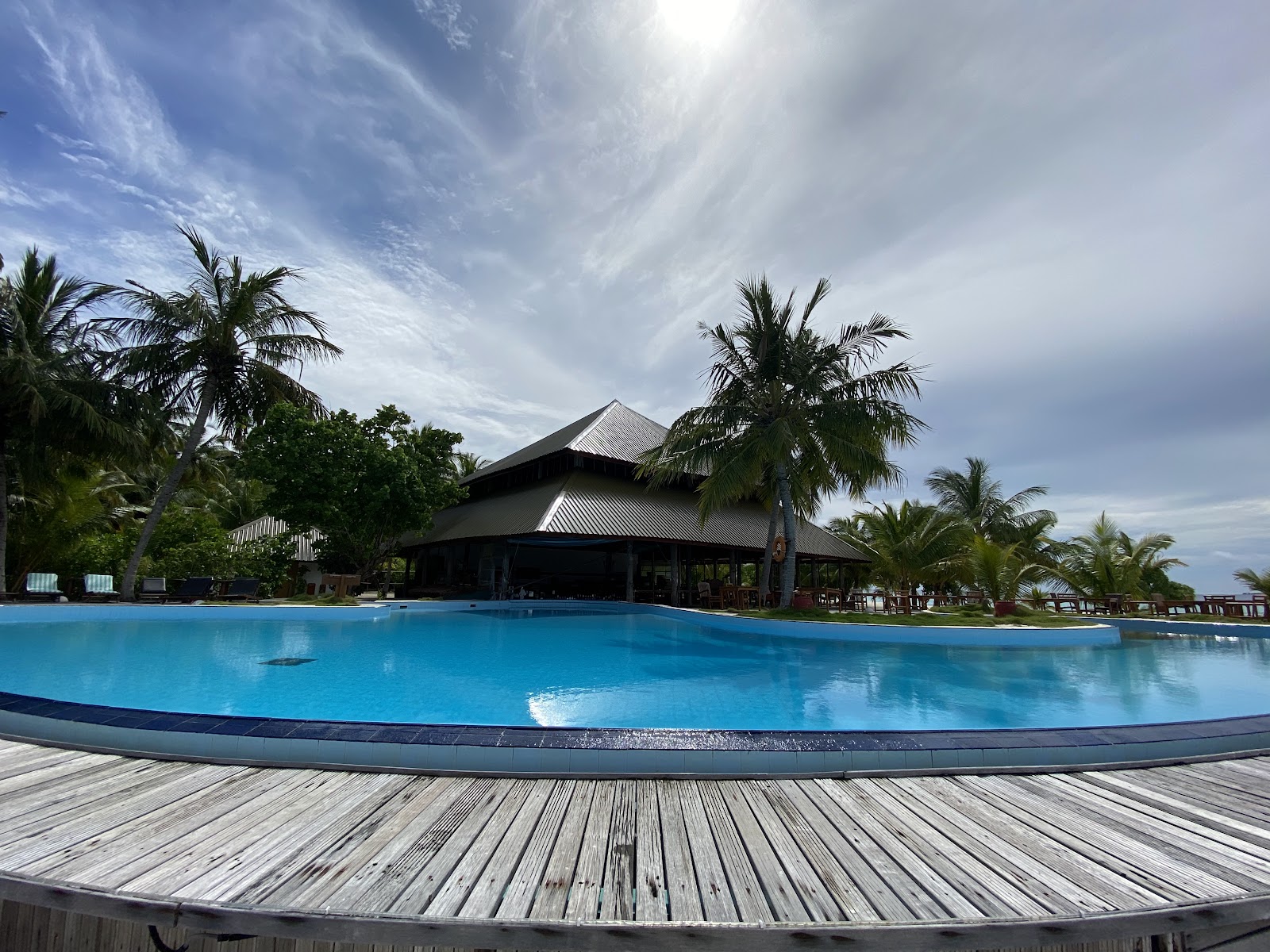
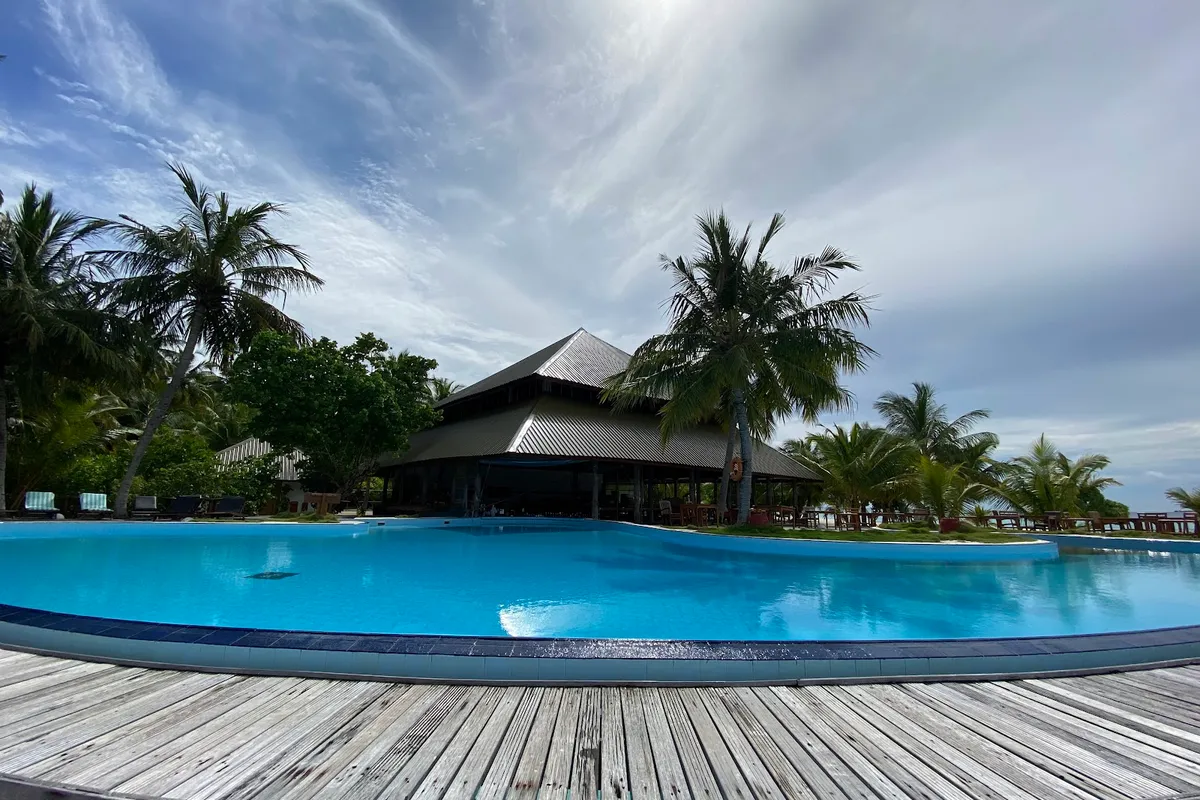
Escape to Faafu Atoll, one of the Maldives' best-kept secrets, where pristine natural beauty and authentic Maldivian culture converge. Tucked away in the central region of the archipelago, approximately 120-130 kilometers southwest of Malé, Faafu Atoll offers a tranquil escape far from the bustling crowds of more developed tourist hubs.
Known by its traditional name Nilandhe Atholhu Uthuruburi, Faafu Atoll comprises 23 islands, with only five of them inhabited, ensuring an unspoiled and intimate experience. This deliberate focus on sustainable, low-impact tourism has preserved the atoll's breathtaking marine environments and traditional way of life, offering visitors a rare glimpse into the Maldives of yesteryear.
Travelers choose Faafu Atoll for its unparalleled sense of remoteness, its vibrant, untouched coral reefs teeming with diverse marine life, and the opportunity to connect with genuine Maldivian culture. It's a paradise for divers and snorkelers, a sanctuary for those seeking privacy, and an ideal destination for nature lovers yearning for an authentic island experience.
Key Facts at a Glance
- Name: Faafu Atoll (also known as Northern Nilandhe Atoll)
- Code: F
- Location: Central Maldives, approximately 120-130 km southwest of Malé
- Resort Count: 1 (Filitheyo Island Resort)
- Inhabited Islands: 5 (Nilandhoo, Feeali, Magoodhoo, Daranboodhoo, Bilehdhoo)
- Transfer Type: Seaplane (primary for resort guests)
- Transfer Time: 30-45 minutes by seaplane
- Key Features: Pristine and undeveloped, excellent diving, remote feel, glimpse of traditional Maldivian life
- Best For: Divers, privacy seekers, nature lovers
Getting to Faafu Atoll
Reaching the serene shores of Faafu Atoll is an adventure in itself, typically involving a scenic seaplane journey from Velana International Airport (MLE) in Malé. This is the most common and recommended transfer method for resort guests, offering breathtaking aerial views of the scattered atolls and vibrant turquoise lagoons.
The seaplane transfer to Faafu Atoll takes approximately 30 to 45 minutes. These transfers operate during daylight hours, providing an incredible perspective of the Maldivian landscape.
Transfer Options from Malé
- Seaplane: This is the quickest and most popular option for reaching resorts in Faafu Atoll. Seaplanes depart from a dedicated terminal near Velana International Airport (MLE). The journey offers stunning panoramic views.
- Speedboat: While seaplanes are preferred for resorts, public speedboats are an alternative, especially for travelers heading to local islands. A speedboat journey from Malé to Faafu Atoll can take approximately 2.5 to 3 hours.
- Public Ferry: For the most budget-conscious and adventurous travelers, a public ferry service is available, though it involves a significantly longer journey of 8-10 hours and operates less frequently (typically twice weekly).
Tips for Booking Transfers
- Book through your accommodation: For resort stays, transfers are almost always arranged by the resort itself. It is crucial to provide your international flight details to your resort at least 72 hours in advance to ensure seamless coordination.
- Consider weather: Seaplane transfers are weather-dependent. During monsoon months (May-October), delays or cancellations can occur, so it's wise to factor this into your travel plans.
- Baggage allowance: Seaplanes have strict baggage weight restrictions, usually around 20-25kg for checked luggage and 5kg for hand luggage. Excess baggage charges apply.
Approximate Costs
Seaplane transfers are an investment but offer an unforgettable experience. A round-trip seaplane transfer to Faafu Atoll typically costs between US$500-600 per adult, with child fares around US$300. Some sources indicate a range of US$450-550 or US$300-700 per person, depending on the resort and booking method. For public speedboats, expect to pay around US$40-70 per person per way.
Pro Tip
Always confirm your transfer details and costs directly with your chosen accommodation in Faafu Atoll. Booking in advance, especially during peak season, is highly recommended to avoid any last-minute issues.
Where to Stay in Faafu Atoll
Faafu Atoll’s accommodation landscape is unique, offering a singular luxury resort experience coupled with an increasing number of authentic guesthouses on its local islands. This blend allows for diverse travel styles, from opulent escapes to immersive cultural adventures.
Luxury Resorts
Faafu Atoll is proudly home to one exclusive resort, offering a secluded and luxurious Maldivian experience:
-
Filitheyo Island Resort: Often cited as the only resort in Faafu Atoll, Filitheyo Island Resort is a distinguished 4-star property renowned for its tranquil atmosphere and exceptional natural surroundings. Nestled amidst lush tropical greenery and encircled by a spectacular house reef, it's a true diver's paradise.
- What makes it special: Filitheyo offers spacious overwater and beach villas, many featuring charming semi-open bathrooms and private wooden terraces. Guests can enjoy an outdoor infinity pool, a pampering spa, and a top-tier on-site dive center. The resort is celebrated for its world-class diving and snorkeling opportunities directly from its shores, with its house reef teeming with vibrant marine life. It provides a laid-back atmosphere, perfect for nature lovers and those seeking a peaceful retreat.
Pro Tip
While other luxurious resorts like W Maldives and Hideaway Beach Resort are popular in the Maldives, it's important to note they are located in different atolls (Alifu Alifu Atoll and Haa Alifu Atoll, respectively) and not within Faafu Atoll. Filitheyo Island Resort is your premier choice for a luxury stay directly within Faafu.
Mid-Range Options
While Faafu Atoll doesn't feature a wide array of traditional mid-range resorts, the growing popularity of local island tourism has led to the development of comfortable guesthouses that offer excellent value and a more immersive cultural experience. These options typically provide a blend of comfort and authenticity, often including amenities like air conditioning, private bathrooms, and Wi-Fi.
- Island Life Maldives Retreat & Spa (Magoodhoo): This guesthouse in Magoodhoo offers comfortable accommodation with spa facilities and wellness packages. Guests frequently praise its excellent meals and friendly staff, making it a good value option for those seeking a relaxing stay on a local island.
- Balma Beach Inn (Faafu): Located on one of Faafu's local islands, Balma Beach Inn provides beachfront access, garden views, and essential amenities like free Wi-Fi and private parking. It's an ideal choice for travelers who appreciate being close to local life and snorkeling spots, with the added benefit of staff who can organize excursions.
Local Island Guesthouses
For budget-conscious travelers and those eager to experience the true Maldivian way of life, Faafu Atoll's local islands offer a selection of charming guesthouses. These accommodations provide a unique opportunity to interact with local communities and enjoy the Maldives without the resort price tag. Expect simple yet comfortable rooms, genuine hospitality, and access to local beaches and cultural activities. Local island stays generally cost around US$80-120 per person daily, with some guesthouses offering rates as low as US$40-65 per night.
- Nilandhoo: As the administrative capital, Nilandhoo offers a few guesthouse options and a chance to explore historical sites like the Ancient Mosque.
- Feeali: Here you might find guesthouses like Gulalaamage, which provides well-equipped rooms with air conditioning, private bathrooms, and free Wi-Fi, suitable for groups.
- Magoodhoo: Beyond Island Life Maldives Retreat & Spa, Magoodhoo also hosts guesthouses such as Palm Rest Maldives, offering comfortable rooms with private bathrooms and complimentary breakfast, making it a good base for exploring the atoll's natural beauty.
- Daranboodhoo: While specific guesthouses may vary, Daranboodhoo, like other inhabited islands, will provide opportunities for authentic local stays.
Find Guesthouses on Faafu Atoll Local Islands→
Diving and Snorkeling in Faafu Atoll
Faafu Atoll is a diver's dream, celebrated for its pristine and undeveloped marine environments and excellent diving conditions. With fewer crowds than more popular atolls, Faafu offers exceptional visibility, often exceeding 30 meters, and some of the healthiest coral reefs in the Maldives.
Famous Dive Sites
The atoll boasts over 40 pristine dive sites, each offering unique encounters with the vibrant underwater world.
- Filitheyo House Reef: This house reef is renowned for its accessibility and richness, providing excellent snorkeling and night diving opportunities directly from the resort. It features vibrant coral gardens, dramatic drop-offs, and an abundance of marine life, including reef sharks, eagle rays, and colorful reef fish.
- Faafu Reef: A broader term encompassing the many untouched reefs within the atoll, Faafu Reef offers diverse topography and marine encounters.
- Two Brothers: This site is known for thrilling drift dives along a dramatic wall, featuring overhangs and caves. It's a hotspot for encountering grey reef sharks, Napoleon wrasse, and large schools of fish.
- Magoodhoo Corner: Another thrilling drift dive site, similar to Two Brothers, with rich marine biodiversity.
Marine Life Highlights
Faafu Atoll's waters are teeming with an incredible variety of marine species, making every dive and snorkel an unforgettable experience.
- Manta rays: These majestic creatures are a highlight, especially during specific seasons.
- Reef sharks: Encounters with grey reef sharks and other species are common at many dive sites.
- Napoleon wrasse: Spot these impressive, large fish gracefully navigating the reefs.
- Barracuda: Schools of barracuda can often be seen in the deeper channels.
- Other marine life includes whale sharks (especially May-November), eagle rays, sea turtles, and a kaleidoscope of colorful reef fish.
Best Season for Diving
While diving in Faafu Atoll is excellent year-round, certain periods offer optimal conditions for specific experiences:
- December to April: This is considered the optimal season for diving, characterized by excellent visibility often exceeding 30 meters. Manta ray cleaning stations are particularly active during these months.
- May to November: During this period, plankton blooms attract whale sharks, increasing the chances of encountering these gentle giants.
- Year-round: Excellent reef diving, shark encounters, and turtle nesting sites are consistent throughout the year.
Certification Requirements
Dive centers in the Maldives, including those at Filitheyo Island Resort, cater to all levels of divers, offering PADI courses from beginner to instructor level. If you're not certified, you can take an introductory "Discover Scuba Diving" experience or enroll in a full certification course like Open Water Diver. For experienced divers, advanced courses and specialty dives are readily available. It's always advisable to bring your certification cards and logbook.
Book Diving Excursion in Faafu Atoll→
Top Things to Do
Beyond its world-class diving and snorkeling, Faafu Atoll offers a variety of activities and unique experiences that allow visitors to immerse themselves in its natural beauty and local culture.
- Snorkeling: Explore the vibrant house reefs directly from your resort or guesthouse beach. The crystal-clear waters make it ideal for observing colorful fish and corals. Many guesthouses can arrange snorkeling excursions to nearby reefs and sandbanks.
- Island Hopping: Discover the charm of Faafu Atoll's inhabited and uninhabited islands. Island hopping tours allow you to explore different landscapes and experience the distinct character of each community.
- Night Fishing and BBQ: Experience traditional Maldivian fishing methods as the sun sets. Local guides will teach you handline fishing, and your catch can often be prepared for a delicious BBQ dinner.
- Sandbank Picnics: Enjoy a secluded and romantic picnic lunch on a pristine, uninhabited sandbank, surrounded by the stunning turquoise lagoon.
- Sunset Cruises: Embark on a serene sunset cruise, often with refreshments, offering spectacular views as the sky transforms into a canvas of vibrant colors.
- Water Sports: Resorts typically offer a range of non-motorized water sports such as kayaking, stand-up paddleboarding, and windsurfing.
- Dolphin Watching: Head out on a boat trip to spot playful pods of dolphins frolicking in the atoll's waters.
- Marine Conservation Activities: Participate in coral planting initiatives, marine biology presentations, or responsible wildlife watching programs offered by local resorts and conservation groups.
- Cultural Tours: Visit local islands like Nilandhoo to engage with the Maldivian way of life. Learn about traditional crafts, visit historical sites, and savor local cuisine.
Local Islands and Culture
Faafu Atoll is one of the least developed atolls, offering a unique opportunity to witness traditional Maldivian life largely untouched by mass tourism. With only five inhabited islands—Nilandhoo, Feeali, Magoodhoo, Daranboodhoo, and Bilehdhoo—visitors can immerse themselves in authentic cultural experiences.
Island Visits
- Nilandhoo: As the administrative capital of Faafu Atoll, Nilandhoo is a hub of local life and boasts significant cultural heritage. Here, you can visit the Ancient Mosque in Nilandhoo, one of the oldest mosques in the Maldives, dating back to the 12th century, featuring intricate coral stone carvings.
- Feeali, Magoodhoo, and Daranboodhoo: These islands offer a glimpse into traditional fishing communities. Magoodhoo, for instance, is known for maintaining traditional practices, including local cuisine preparation and handicraft production. Visiting these islands allows for genuine cultural interactions, unlike the more commercialized local islands in other atolls.
Cultural Experiences
Engaging with the local culture is a rewarding aspect of a Faafu Atoll visit:
- Traditional Lacquer Work (Liyelaa Jehun): Witness local artisans practicing this ancient craft, creating beautifully decorated wooden items.
- Boduberu Performances: If you're lucky, you might experience a Boduberu performance, traditional Maldivian music and dance that tells stories of island life.
- Traditional Boat Building: Observe the craftsmanship involved in constructing a 'dhoni', the traditional Maldivian boat, using techniques passed down through generations.
- Local Cuisine: Sample authentic Maldivian dishes like Garudhiya (fish broth), Mas Huni (shredded smoked tuna with coconut), and Bis Keemiya (savory pastries).
Dress Code and Customs
When visiting local islands, it's essential to be mindful of Maldivian customs and traditions, which are rooted in Islamic culture.
- Modest Dress: Dress modestly when in local communities. This means covering shoulders and knees for both men and women. Bikinis and swimwear are generally reserved for resort islands, uninhabited islands, and designated "bikini beaches" on some local islands.
- Respect Local Traditions: Be respectful of local practices, especially during prayer times. Public displays of affection are generally frowned upon.
- Alcohol: Alcohol consumption is prohibited on local islands, but is available at resorts.
Best Time to Visit Faafu Atoll
The Maldives enjoys a tropical monsoon climate, characterized by two distinct seasons. Faafu Atoll experiences warm and humid weather year-round, with average temperatures ranging from 25°C to 32°C.
Weather Patterns
The climate in Faafu Atoll is influenced by two monsoons:
- Northeast Monsoon (Dry Season): This season, from January to March, is characterized by sunny skies, minimal rainfall, and calm seas. It's generally considered the best time to visit for ideal beach weather and water activities.
- Southwest Monsoon (Wet Season): Extending from mid-May to November, this period brings more rainfall, occasional storms, and sometimes stronger winds. Rainfall typically comes in short, heavy showers rather than prolonged downpours.
- Transitional Periods: December and April are considered transitional months, offering a mix of both seasons.
Peak vs. Shoulder Season
- Peak Season (November - April): This is the most popular time to visit, especially from December to March, due to the dry, sunny weather and optimal conditions for diving and snorkeling. Expect higher prices for flights and accommodation, and it's essential to book well in advance.
- Shoulder Season (May - October): While this is the wet season, it offers several advantages. You'll find lower prices and fewer crowds, making it a great option for budget travelers or those seeking a more secluded experience. The chances of encountering whale sharks are also higher during this period.
Best Months for Specific Activities
- Diving & Snorkeling: December to April offers the best visibility and active manta ray cleaning stations.
- Whale Shark Encounters: May to November sees an increase in whale shark sightings.
- Beach & Sunbathing: January to March are the driest months with the most sunshine.
Pro Tip
While the wet season has more rain, showers are often brief, leaving plenty of sunshine. Don't rule out a visit during these months if you're looking for better deals and fewer tourists.
Practical Tips
To ensure a smooth and enjoyable trip to Faafu Atoll, here are some practical tips to keep in mind:
Money and Payments
- Currency: The official currency of the Maldives is the Maldivian Rufiyaa (MVR). However, US Dollars (USD) are widely accepted at resorts and for most tourist services.
- Credit Cards: Major credit and debit cards (Visa, Mastercard, American Express) are accepted at all resorts and most upscale establishments.
- Cash: While resorts primarily operate on a cashless system (bills settled at checkout), it's advisable to carry some local currency or small USD denominations if you plan to visit local islands, make purchases at local markets, or tip guides.
- ATMs: ATMs are scarce on smaller local islands and primarily found in Malé City. Plan your cash needs accordingly before heading to Faafu Atoll.
What to Pack
- Lightweight Clothing: Pack light, breathable clothing made from natural fabrics like cotton or linen due to the tropical climate.
- Swimwear: Plenty of swimwear for resort use and designated bikini beaches on local islands.
- Modest Attire: Essential for visiting local islands and cultural sites (shoulders and knees covered).
- Reef-Safe Sunscreen: Protect your skin and the delicate coral reefs by choosing reef-safe, high-SPF sunscreen (SPF 50+ is recommended).
- Hat and Sunglasses: For sun protection.
- Insect Repellent: Especially for evenings and visits to vegetated areas.
- Underwater Camera: To capture the incredible marine life.
- Basic First-Aid Kit: Include essentials like pain relievers, antiseptic wipes, and any personal medications.
- Reusable Water Bottle: Stay hydrated and reduce plastic waste.
- Snorkeling Gear: While resorts offer rentals, many experienced snorkelers prefer to bring their own.
Health and Safety
- Hydration: Drink plenty of water to stay hydrated in the tropical heat.
- Sun Protection: The Maldivian sun is intense; reapply sunscreen frequently and seek shade during peak hours.
- Marine Life: Observe marine life from a respectful distance and avoid touching corals or animals.
- Medical Facilities: Resorts usually have a resident doctor or clinic for minor ailments. For serious emergencies, transfer to Malé may be necessary. Travel insurance with medical evacuation coverage is highly recommended.
Communication
- Wi-Fi: Most resorts offer Wi-Fi, though quality and coverage can vary. Some resorts may charge a fee, and signal might be weaker in certain areas or beyond your room. Guesthouses on local islands often provide free Wi-Fi, but it might not be as fast or stable as in more developed areas.
- Local SIM Cards/eSIMs: For consistent connectivity, consider purchasing a local SIM card or eSIM from providers like Dhiraagu or Ooredoo upon arrival at Velana International Airport. These offer various tourist plans for data and calls. Ensure you have a stable Wi-Fi connection to activate an eSIM.
Frequently Asked Questions
What makes Faafu Atoll different from other Maldives atolls?
Faafu Atoll stands out for its pristine and undeveloped nature, offering a glimpse of traditional Maldivian life away from the crowds. It features exceptionally healthy coral reefs and a deliberate focus on sustainable tourism, making it ideal for those seeking tranquility and authentic cultural experiences.
Is Faafu Atoll suitable for non-divers?
Absolutely! While renowned for diving, Faafu Atoll offers excellent snorkeling directly from beaches, cultural village tours, traditional fishing, dolphin watching excursions, and various water sports. The clear, calm waters are perfect for swimming and underwater photography.
How many resorts are in Faafu Atoll?
Faafu Atoll currently has one main resort, Filitheyo Island Resort, which offers a luxurious and secluded experience. Additionally, there are several comfortable guesthouses on its local islands.
What is the best time to see manta rays in Faafu Atoll?
The optimal time to see manta rays in Faafu Atoll is generally from December to April, when cleaning stations are active and visibility is excellent.
Can I visit local islands and interact with residents?
Yes, visiting local islands like Nilandhoo, Feeali, and Magoodhoo is encouraged and offers a unique cultural immersion. You can learn about traditional crafts, visit historical sites, and experience local life. Remember to dress modestly and respect local customs.
What is the cost of a seaplane transfer to Faafu Atoll?
A round-trip seaplane transfer to Faafu Atoll typically costs between US$500-600 per adult, with child fares around US$300. Prices can vary slightly depending on the resort and booking details.
Are there budget accommodation options in Faafu Atoll?
Yes, Faafu Atoll offers budget-friendly accommodation in the form of guesthouses on its local islands. These stays can range from US$40-120 per person per day, providing a more affordable way to experience the Maldives.
What currency should I use in Faafu Atoll?
While the Maldivian Rufiyaa (MVR) is the official currency, US Dollars (USD) are widely accepted at resorts and for tourist services. Credit cards are accepted at resorts, but cash (MVR or small USD) is useful for local island visits and tips.
Is Wi-Fi readily available?
Wi-Fi is available at resorts, though coverage and speed can vary. Guesthouses on local islands often provide free Wi-Fi. For reliable internet, especially on local islands, consider purchasing a local SIM card or eSIM upon arrival at Malé airport.
What are the essential packing items for Faafu Atoll?
Key items include lightweight clothing, swimwear, modest attire for local island visits, reef-safe sunscreen (SPF 50+), a hat, sunglasses, insect repellent, an underwater camera, and a reusable water bottle.
Ready to Book Atoll?
Compare prices across top booking platforms and find the best deal for your stay.
Not sure? Compare similar resorts: Kurumba Maldives • Bandos Maldives